





Ex-FAR soldier, now a senior police officer, recounts how he joined RDF during insurgency war
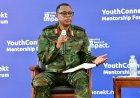
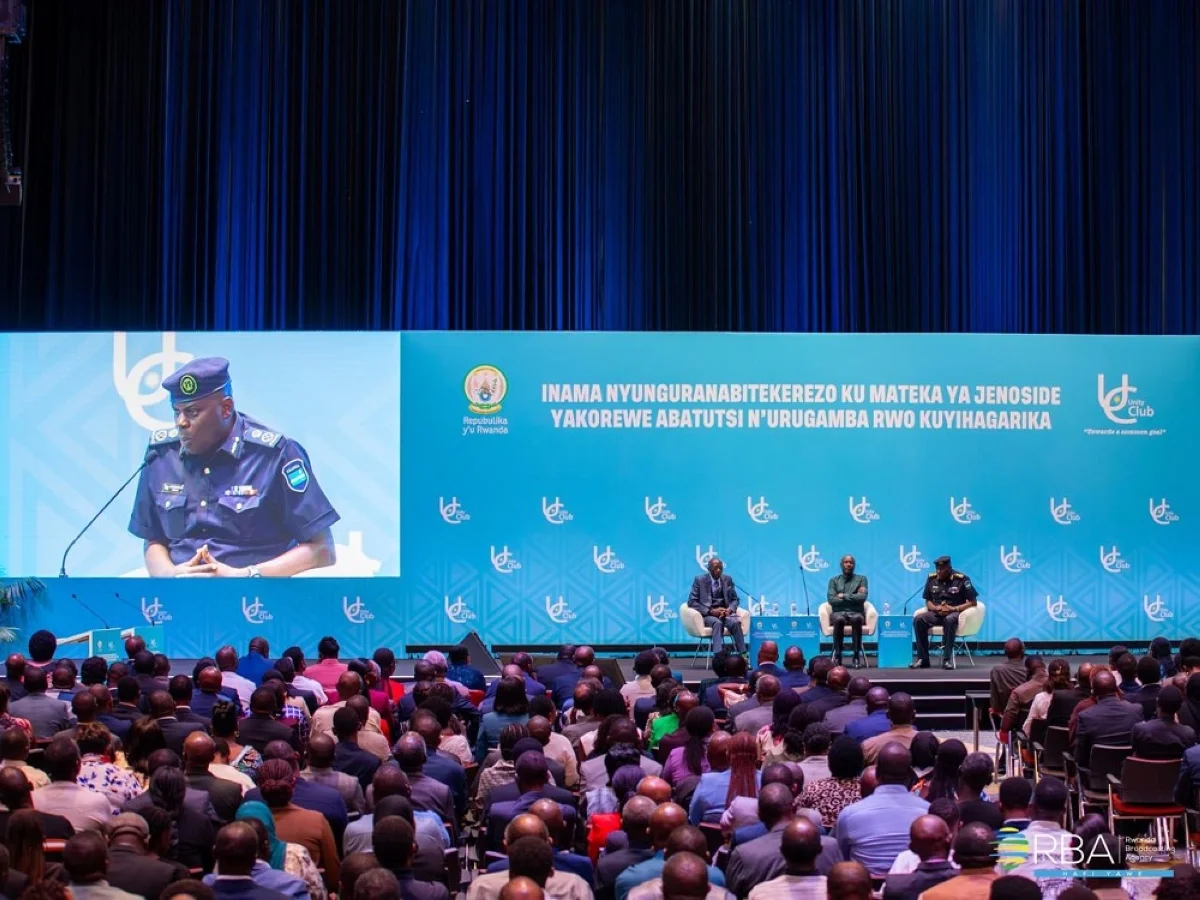
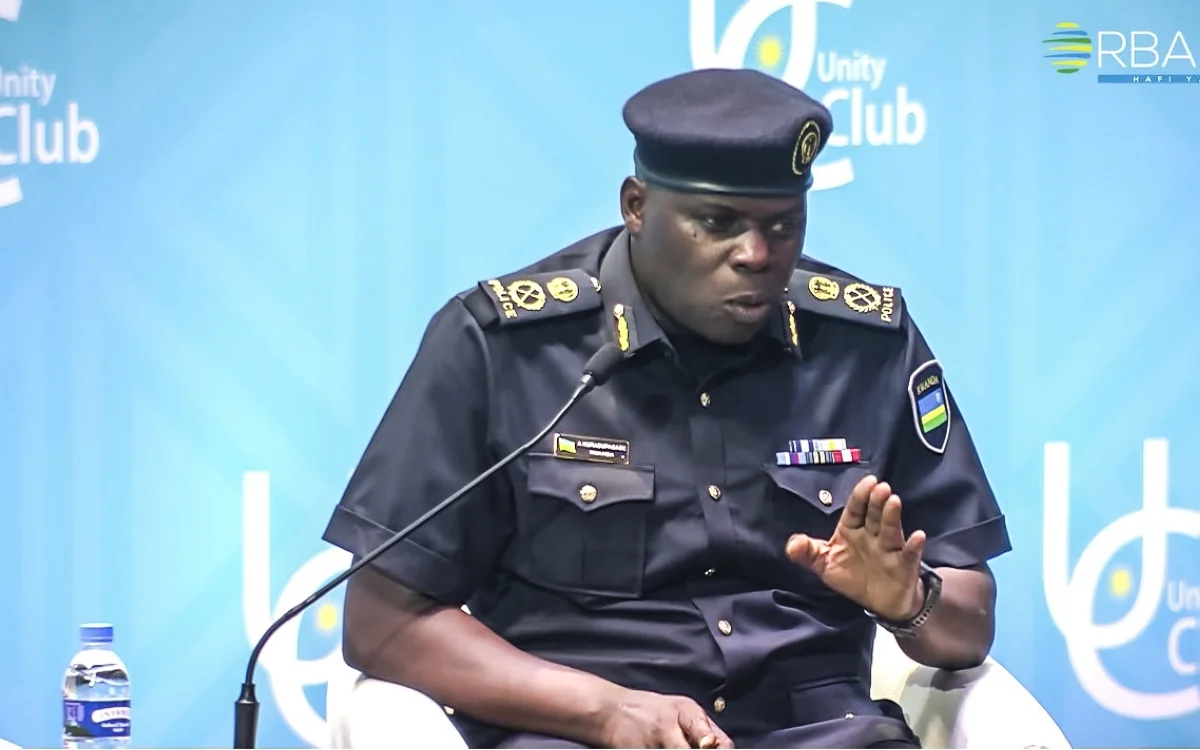
Before the 1994 Genocide against the Tutsi, during it, and even in its aftermath, Assistant Commissioner of Police (ACP) Augustin Kuradupagase, a former...

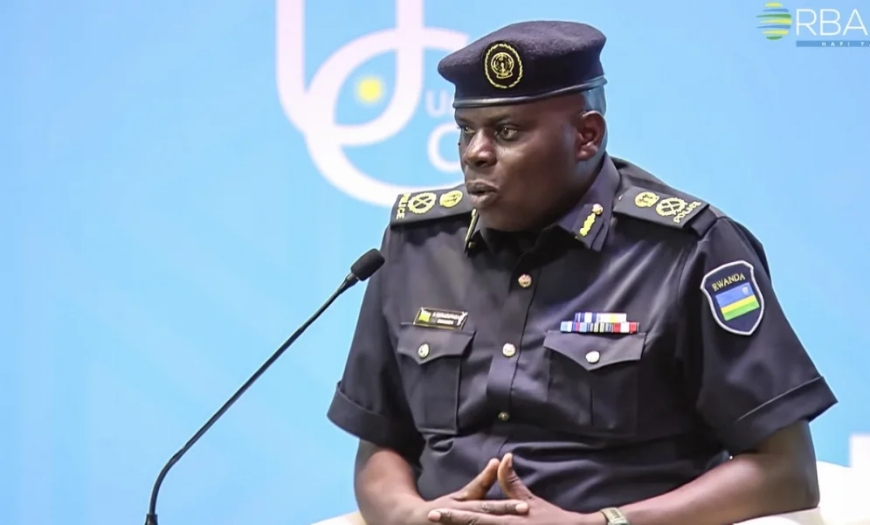
Before the 1994 Genocide against the Tutsi, during it, and even in its aftermath, Assistant Commissioner of Police (ACP) Augustin Kuradupagase, a former member of the ex-FAR (Forces Armées Rwandaises), believed that the Rwanda Patriotic Army (RPA-Inkotanyi) and Tutsi were the enemy.
But a combination of factors including advice from his family, a change in his own convictions, and military defeat led him to lay down his arms and join the very force he once fought against.
RPA would later be transformed into Rwanda Defence Forces (RDF), fully transitioning into a national army.
Son is serving in RDF
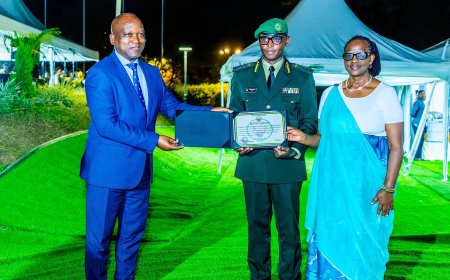
Today, Kuradupagase, whose own son is currently serving in the Rwanda Defence Forces at the rank of a Second Lieutenant having attended the prestigious Royal Military Academy Sandhurst in the United Kingdom, is a member of Rwanda National Police (RNP)’s Senior Management Council.
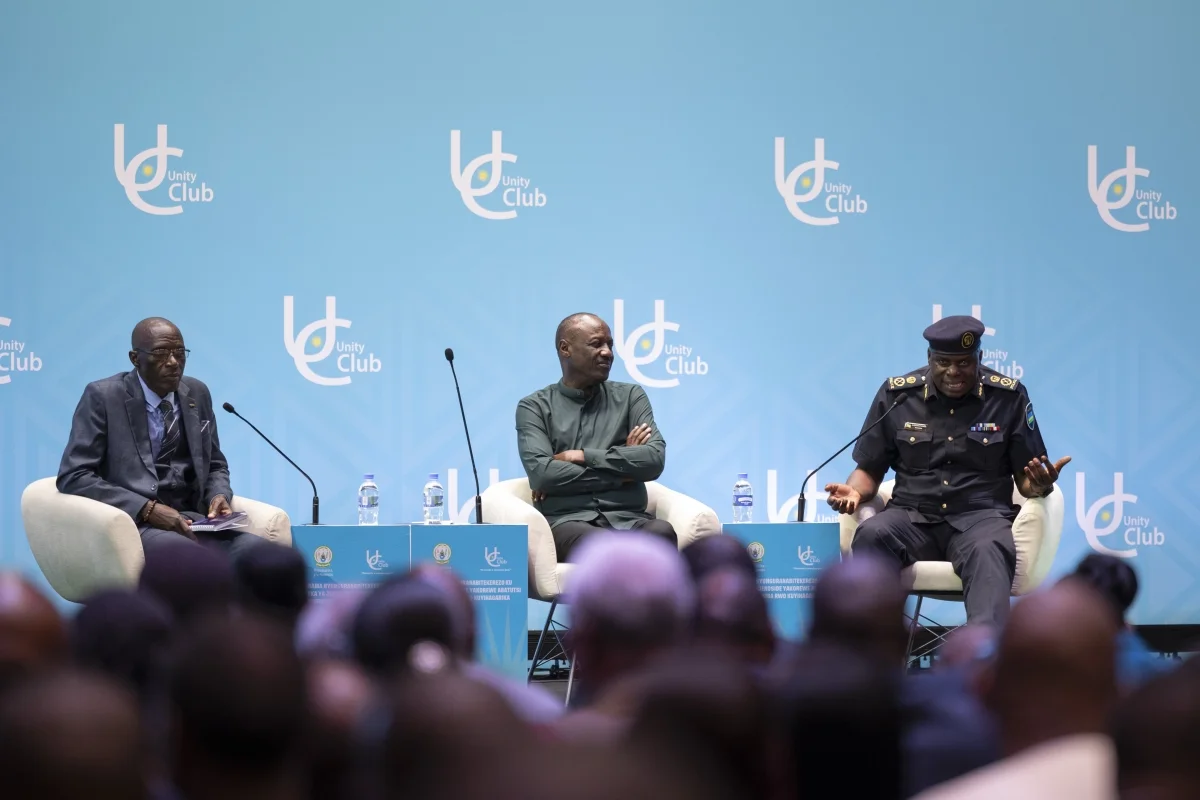
He describes his transition from being an ex-FAR soldier to becoming a member of the RPA and later RDF as a reflection of Rwanda's path toward unity and reconciliation.
Born in 1968 in the former Karago Commune, Kuradupagase was trained by French military instructors before joining the ex-FAR in early 1990s.
"Because I came from an area that was the home to former President Juvénal Habyarimana, I was selected to join the École Supérieure Militaire (ESM) in 1991. The programme normally lasted four years, but because the liberation war had already begun, we completed only one year of training," he recalled.
After completing his military training, Kuradupagase was deployed to the former Mutara region (now in Eastern Province) with the third Battalion in the former Muvumba Commune.
"The battalion operated in different locations across the region, and we fought for a long time. I was promoted to the rank of Second Lieutenant in January 1994,” he narrates.
When the Genocide began on April 7, Kuradupagase’s battalion was in Gabiro, but he was specifically stationed in Kabarore with one of its companies.
According to him, the RPA-Inkotanyi cut off all supply routes, leaving four Ex-FAR battalions stranded.
"Eventually, the four battalions managed to return to Kigali, but the Muvumba Battalion remained on the frontline in Nyakayaga, Kiziguro and Mukarange during heavy rains. I was wounded in Musha and taken to Kanombe Military Hospital," he recounts.
"I later returned to the battlefield. Our battalion was then based in Nyamirambo, while the Inkotanyi had captured the strategic area of Rebero. I realised we were losing the war. We relied heavily on grenades, but eventually we ran out of them. Kigali had been surrounded by the Inkotanyi, and our heavy artillery had been neutralised. Soldiers began fleeing to Zaire,” he adds.
On July 3, 1994, General Gratien Kabiligi, ex-FAR’s chief of military operations, convened a meeting at Camp Kigali and told soldiers to flee to Zaire together with the civilian population.
“I travelled along the Nyabarongo route and on July 17 crossed into Zaire,” he says.
While in exile, he said, Ex-FAR soldiers formed an intelligence and army unit known as CRAP (Commandos de Recherche et d'Actions en Profondeur), led by then Captain Evariste Murenzi, with the objective of reorganising and launching attacks against Rwanda.
At that time, according to Kuradupagase, then Congolese President Mobutu Sese Seko maintained close ties with Ex-FAR soldiers and the then Burundian rebels CNDD-FDD (now Burundi's ruling party).
"Six of us were sent to Burundi to provide military training to train CNDD forces. We travelled across Lake Kivu to Bukavu, then to Uvira before crossing the Ruzizi River."
After training Burundian soldiers, he later returned to Zaire. He travelled to the Masisi area where senior Ex-FAR commanders held meetings to prepare new attacks on Rwanda.
"I later re-entered Rwanda through Mount Karisimbi. In May, I reached the Byangabo area and climbed Mount Mugogo. The following day, the Inkotanyi attacked us, forcing us to retreat to my home area."
There, he reunited with his family, who had already returned to Rwanda. They told him that he should return and join others in rebuilding the country.
“I told them I intended to continue to Kigali to fight and capture the city,” he says.
However, while attempting to advance, his group was defeated near the Nyabarongo River.
"That is when I remembered my parents' advice. Most of my fellow soldiers had been killed. I told those who remained that they should join the Inkotanyi if they had not participated in the Genocide against the Tutsi."
Surrendering
In May 1997, he surrendered in the former Giciye Commune (in current Nyabihu District).
"Later, I joined operations against the Abacengezi insurgents in Giciye, serving in the 99th Battalion. That is when I became an Inkotanyi."
He later served in the 59th Battalion.
"We worked together for more than a year. He taught me about the RPF, its principles, the RPA and its values."
On January 8 1998, Kuradupagase was assigned to the force then known as the Gendarmerie, which later became part of the Rwanda National Police.
In November 1999, he enrolled at the École de la Gendarmerie Nationale, where he specialised in criminal investigations and was promoted to the rank of lieutenant.
"When the Rwanda National Police was established, I became one of its officers. From 2000 to 2008, I served in administration and command roles. In 2008, I returned to the Police College in Musanze for three years of professional police studies. In 2011, I joined Police Headquarters in Kigali, where I worked at the Joint Operations Centre. Today, I serve on the Police Senior Management Council."
Kuradupagase has two children.
His son serves as a Second Lieutenant in the Rwanda Defence Force.
"My son studied at the Royal Military Academy Sandhurst, the same academy attended by the son of the President of the Republic. My daughter studied pharmacy in Italy. I commend our country's leadership for promoting national unity and eliminating discrimination," he said.