























Genocide ideology now relying on AI, digital platforms, experts warn
Genocide ideology is no longer confined to historical narratives or physical spaces, but has evolved into new forms spreading through social media and...

Genocide ideology is no longer confined to historical narratives or physical spaces, but has evolved into new forms spreading through social media and artificial intelligence (AI), experts have warned, urging young people to remain vigilant in the digital age.
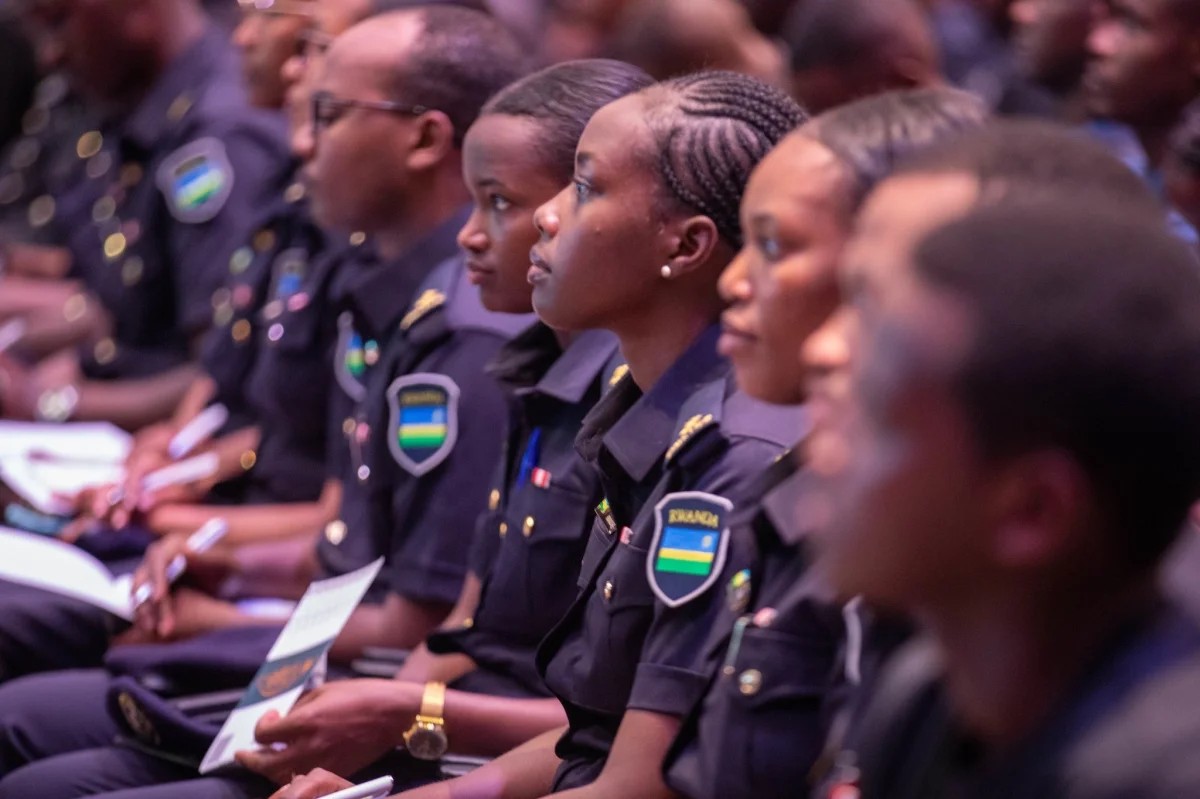
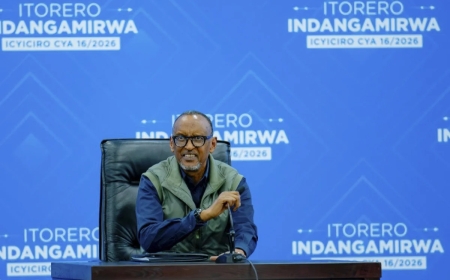
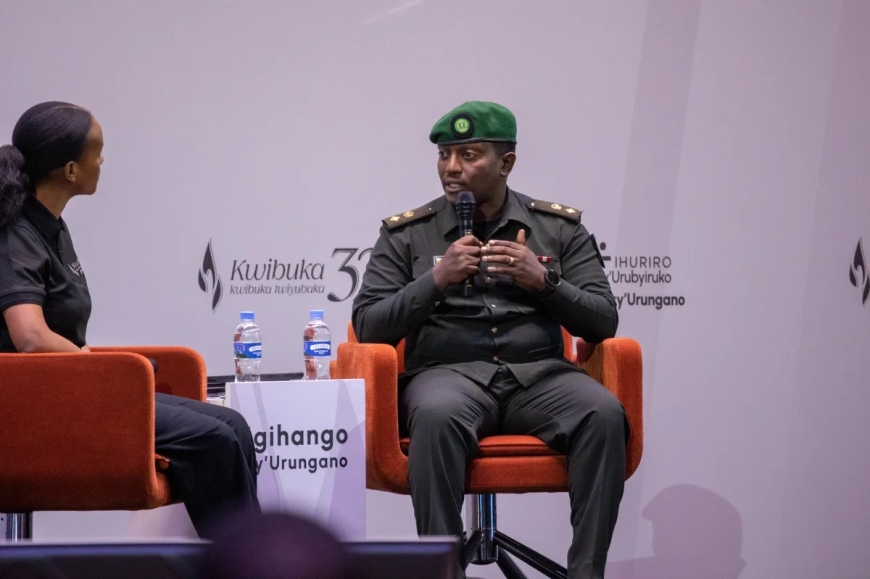
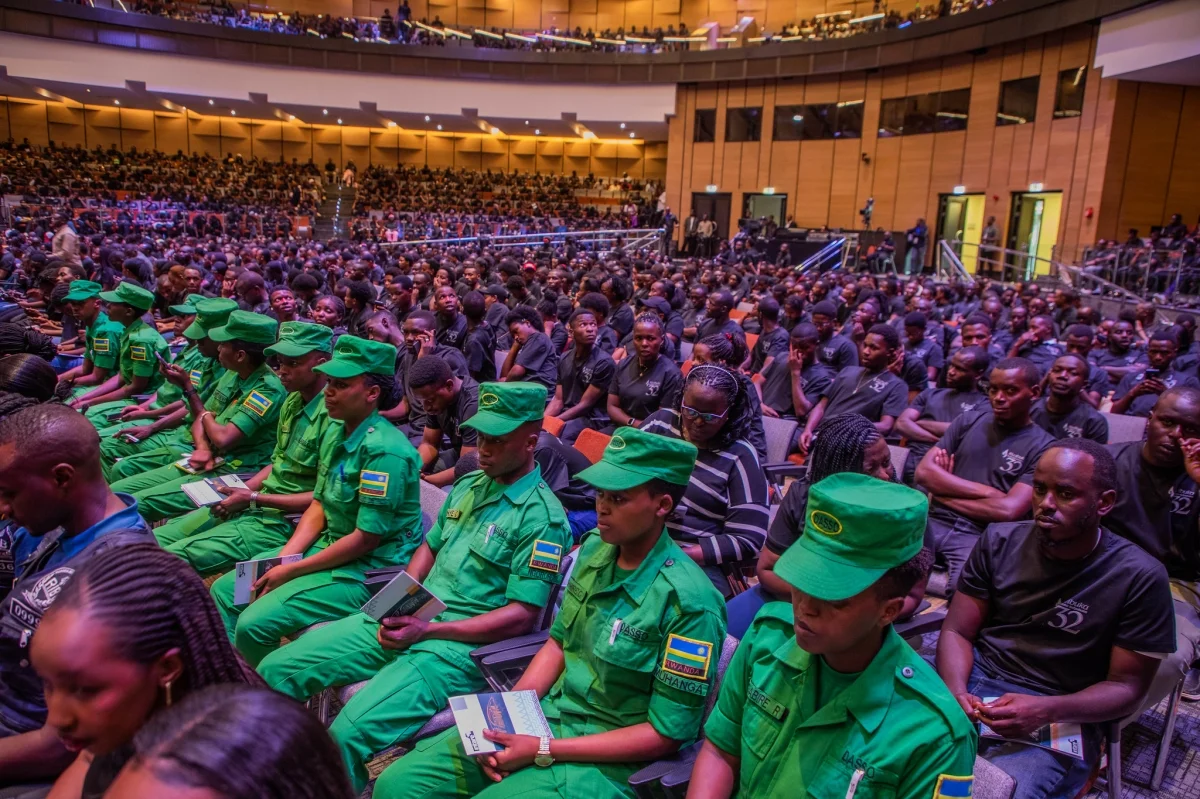
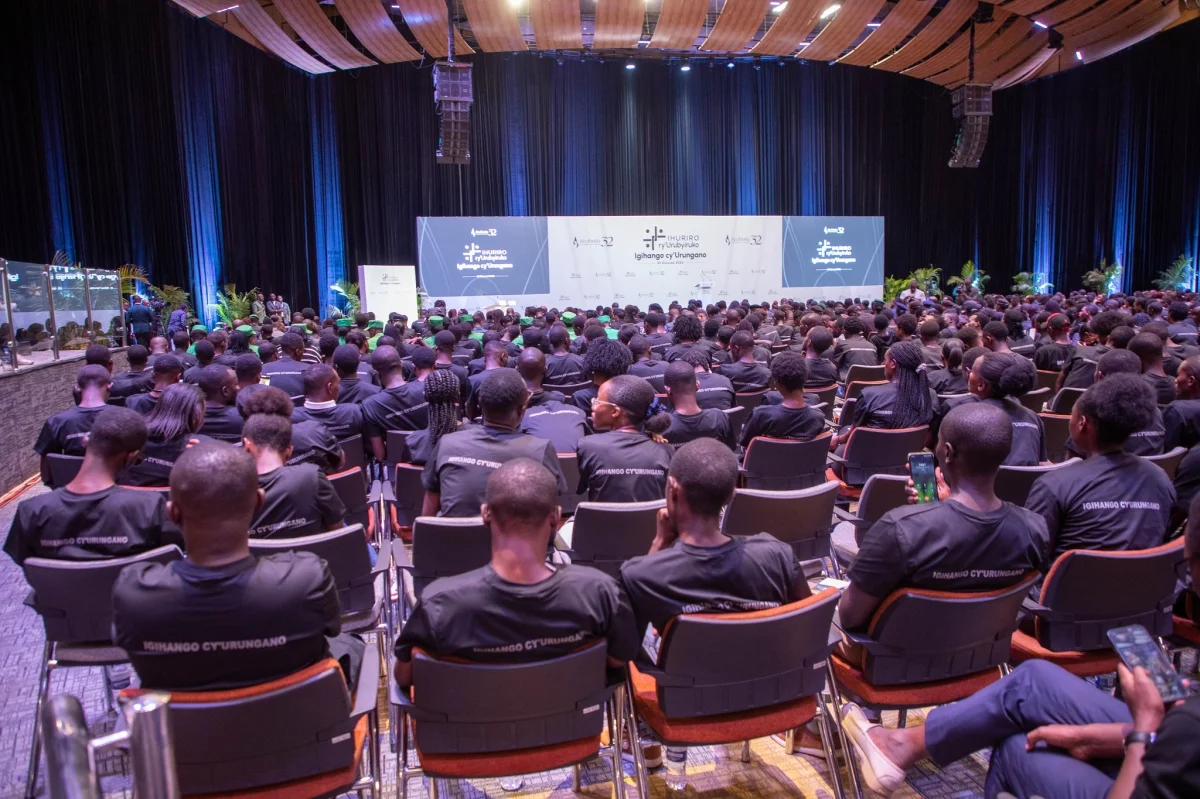
This was on Saturday, May 30, at the 13th edition of theyouth forum Igihango cy’Urungano, which featured panel discussions on hate speech and genocide ideology in Rwanda and the Grreat Lakes Region.
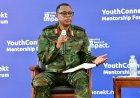
Lt Col Dr Gaspard Harerimana, Director General of Digitisation at the Ministry of Defence, said genocide ideology is increasingly being spread through modern technologies.
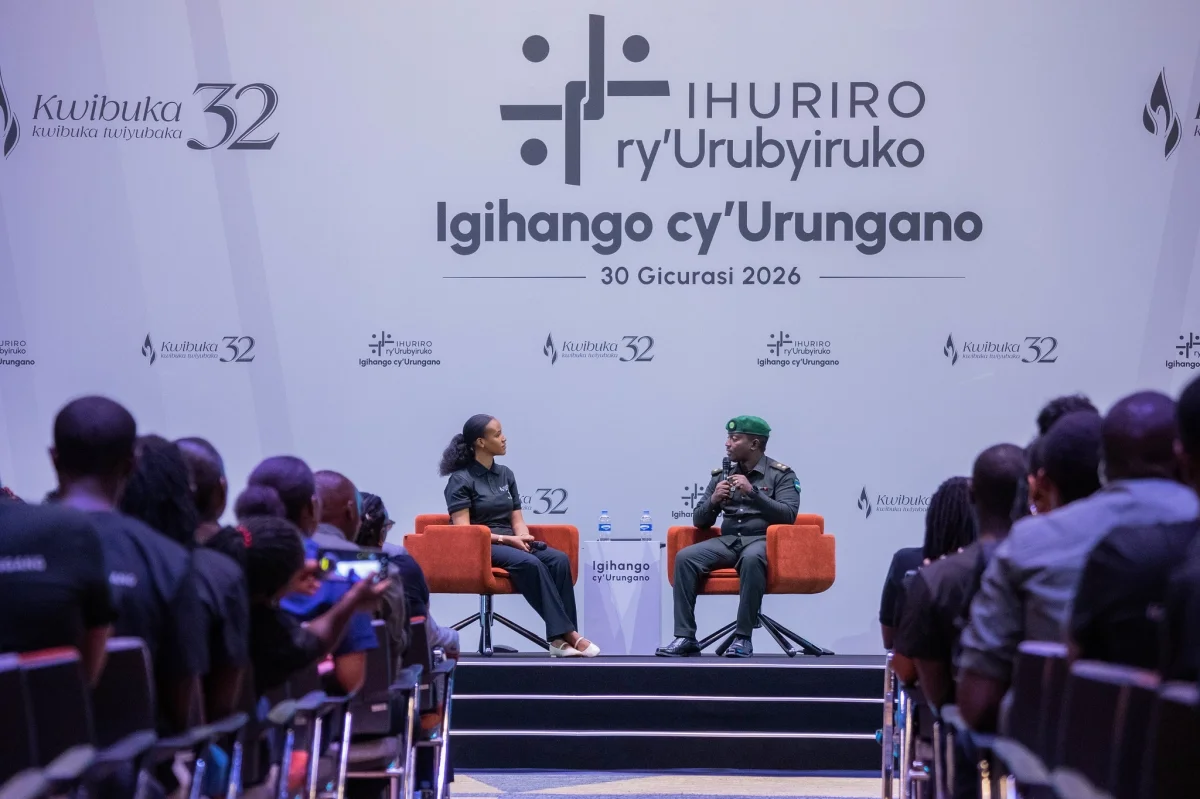
“We should not say the situation is ‘scary,’ but rather that it is concerning. It is disturbing that a Rwandan who experienced what we went through could still hold such ideology,” he said.
“Genocide ideology changes form—it can appear in ethnic narratives or even in philosophies circulating globally. But as Rwandans, especially young people, if we are ready and well-informed, I do not believe this ideology has the power to defeat us.”
Harerimana outlined three key actions young people must take to remain firm and resist genocide ideology.
“First, understand the country’s history and personal histories. You cannot fight an ideology you do not understand. If you do not know the history, you may see something online and think it is true... but if you know the history well, you cannot be misled.”
“Second, we must actively fight this ideology. The ideology has lost on the battlefield, but it has moved into social media and AI. Young people must use these same tools to confront it clearly and responsibly.”
“Third, we must have a clean mindset. You cannot fight a bad ideology if you also carry elements of it. You cannot fight discrimination if you still have it within you.”
Eric Ndushabandi, a lecturer at the University of Rwanda and political analyst, said genocide ideology is destructive in that it blinds people to opportunities and progress even when they have access to education and other resources.
He traced its roots to theories from the colonial era that shaped divisions in the region.
“One of these was the Hamitic theory, which created divisions between so-called ‘superior’ and ‘inferior’ groups. These ideas guided colonial administration and were later reinforced in the First and Second Republics [in Rwanda],” Ndushabandi said.
He added that digital platforms have accelerated the spread of such narratives.
“Today, we still see remnants of these ideas circulating, including on digital platforms. Social media has accelerated their spread, making false narratives appear credible,” he said.
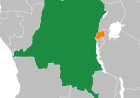
Ndushabandi also warned that misinformation has crossed borders and continues to circulate in the region, particularly in DR Congo, where it sometimes appears in claims such as double genocide narratives.
“These are often driven by political distortions and bad governance in the region. Digital platforms have made these ideas spread faster, which makes it even more important to challenge them critically and responsibly.”
Patrick Nkurunziza, a former member of the FDLR militia, also shared his experience of indoctrination and life in the DR Congo-based armed group founded by remnants of genocide perpetrators.
He highlighted how young people are taught extremist ideologies and a distorted history of Rwanda and its post-Genocide transformation.
He said he was trained as a soldier at the age of 14 and forced to take part in armed activities, including being taught to deny the Genocide against the Tutsi.
Nkurunziza said he decided to escape after realizing there was an alternative to life in the armed group.
He eventually returned to Rwanda, where he said he found peace and a welcoming environment that transformed his life.