






FDLR’s dangerous revival under Tshisekedi

Nearly 30 years after the 1994 Genocide against the Tutsi in Rwanda, the Kinshasa-backed genocidal FDLR militia remains one of the most destabilizing armed groups in the Great Lakes region. Successive Congolese governments failed to dismantle it, but under President Félix Tshisekedi, critics argue, the group's fortunes have changed dramatically.
Rather than being weakened, FDLR has gained new political relevance and military strength through growing cooperation with the Congolese state.
Former Zairean president Mobutu Sese Seko is widely remembered as the political godfather of the forces that eventually evolved into FDLR. Following the 1994 Genocide against the Tutsi in Rwanda, remnants of the defeated genocidal regime found sanctuary in what was then Zaire. Rather than being disarmed and separated from civilian refugee populations, these forces reorganized, recruited, trained, and gradually transformed into a structured insurgency that would continue to destabilize the region for decades.
The administrations of former DRC presidents Laurent-Désiré Kabila and later Joseph Kabila inherited this dangerous legacy. Although military campaigns were periodically launched against FDLR, successive governments never fundamentally dismantled the group or permanently eliminated its military and political influence. FDLR survived repeated offensives, adapted to changing battlefield realities, and continued operating across North and South Kivu despite numerous regional peace initiatives calling for its neutralization.
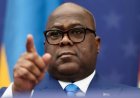
Under President Félix Tshisekedi, however, critics argue that the relationship between his administration and FDLR has changed fundamentally—from one of tolerance to one of active military and political cooperation.
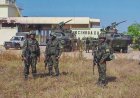
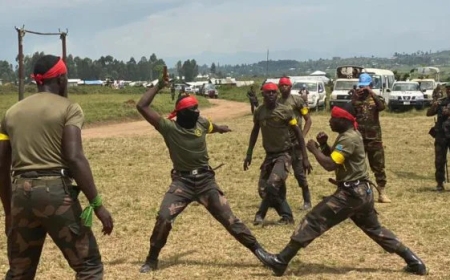
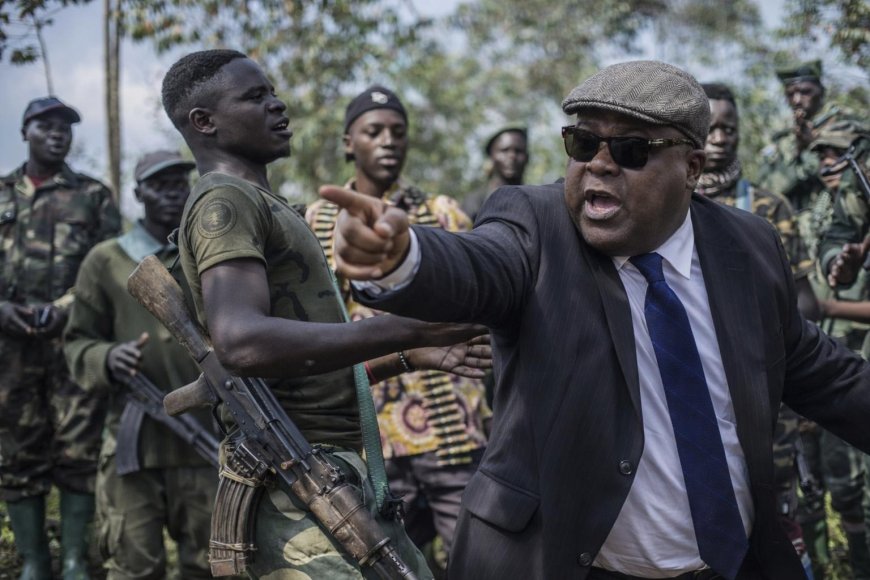
Reports indicate that Tshisekedi's administration has provided salaries, food, medical supplies, ammunition, and logistical support to FDLR fighters operating alongside the FARDC.
Instead of becoming weaker and less significant, FDLR has, according to numerous reports and observers, become increasingly active with direct support from the Congolese government. The allegations are serious: providing weapons to FDLR fighters, coordinating political actions against Rwanda, conducting joint military operations, allowing the group to control strategic areas, and tolerating or encouraging inflammatory rhetoric targeting Congolese Tutsi communities.
Critics argue that this has not only enabled FDLR to survive but has also strengthened it both politically and militarily.
Successive reports by the UN Group of Experts have repeatedly documented cooperation between the Congolese national army (FARDC) and FDLR. Their findings describe intelligence sharing, logistical assistance, battlefield coordination, and joint operations against the AFC/M23 rebellion.
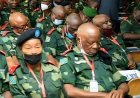
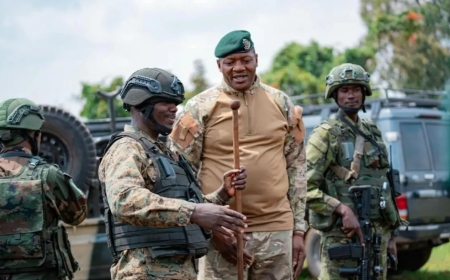
The alliance has reportedly evolved beyond tactical coordination against a common battlefield opponent. Various reports have alleged that FDLR combatants have been incorporated into elite FARDC structures, including the special forces unit known as Les Hiboux, while other sources claim that some fighters have served alongside units responsible for presidential security.
Several reports further suggest that such cooperation has occurred with the knowledge of senior Congolese military authorities, government officials, and FARDC's commander-in-chief, President Tshisekedi.
This cooperation runs counter to the international commitments that Kinshasa has repeatedly undertaken.
The relationship between a state and an armed group internationally associated with the perpetrators of the 1994 Genocide against the Tutsi in Rwanda constitutes not only a serious security threat to the Great Lakes region but also, according to critics, reflects the troubling incorporation of genocide ideology within the DRC with the knowledge of Tshisekedi.
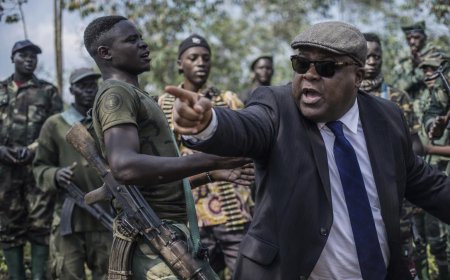
A similar pattern has emerged among the Wazalendo, a Kinshasa-sponsored extremist militia. Numerous sources from eastern Congo suggest that many Wazalendo factions cooperate closely with FDLR and include significant numbers of former or active FDLR combatants operating under different banners. While the Wazalendo are publicly portrayed as patriotic local self-defense groups, critics argue that, in practice, the distinction between certain factions and FDLR has become increasingly blurred.
This situation also contradicts the commitments made under several regional and international peace agreements.
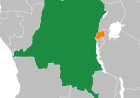
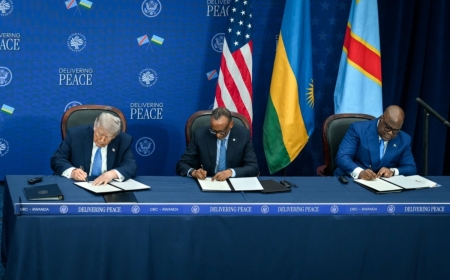
The 2002 Pretoria Agreement, the 2008 Nairobi Communiqué between Rwanda and the DRC, the 2013 Peace, Security and Cooperation Framework for the DRC and the Region, the Washington Accord, and subsequent decisions adopted under the International Conference on the Great Lakes Region all called for the dismantling, disarmament, demobilization, and neutralization of FDLR.
The expectation was straightforward: the Congolese state would dismantle the FDLR, end all cooperation with it, and neutralize the group on its territory—not transform it into a military partner.
True leadership in DRC requires confronting this legacy directly. Tshisekedi should prioritize the complete disarmament and demobilization of FDLR, fulfill long-standing regional commitments, strengthen professional state institutions instead of relying on militia alliances, protect civilians regardless of ethnicity, and pursue meaningful political inclusion across eastern Congo.