















DR Congo Spent Nearly $4 Billion on Defence and Security in 2025
The Democratic Republic of the Congo invested nearly $3.92 billion in its defence and security sectors in 2025, a 119.2% increase from the previous year, as the government intensified military operations against AFC/M23.

KINSHASA, DR Congo – The Central Bank of the Democratic Republic of the Congo (BCC) has revealed that the country's expenditure on defence and security more than doubled in 2025, reaching $3.92 billion, as the government intensified military operations against the AFC/M23 coalition in the country's eastern provinces.
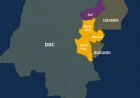
According to the BCC's annual report, security spending increased by 119.2% compared to 2024, reflecting Kinshasa's growing financial commitment to the conflict that has persisted for more than four years in North and South Kivu.
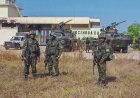
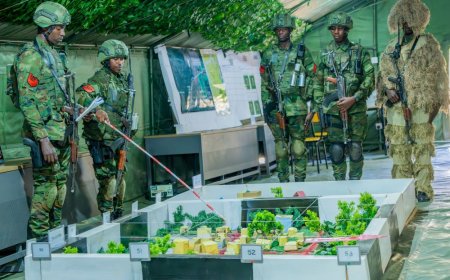
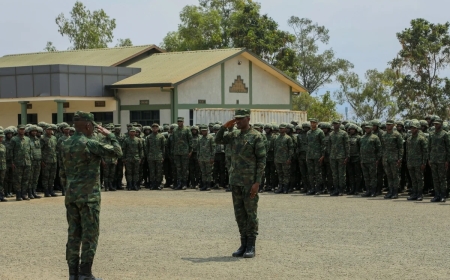
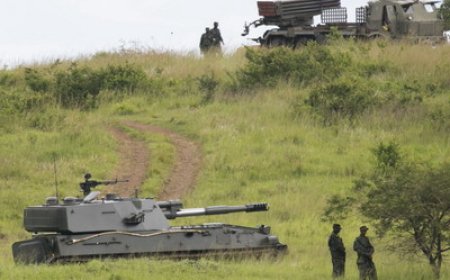
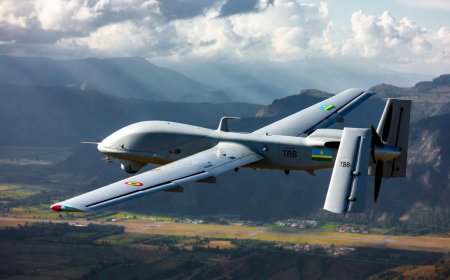
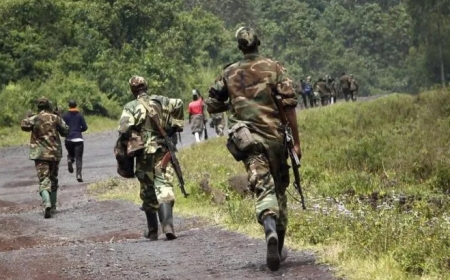
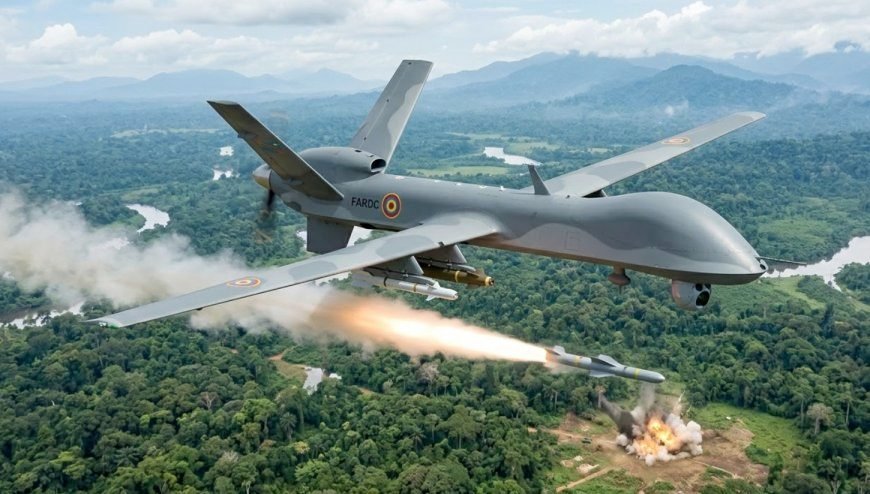
The Congolese government directed much of the increased funding toward purchasing modern military equipment and weapons, as well as recruiting and training troops, in an effort to regain control of territories held by AFC/M23, including the strategic cities of Goma and Bukavu, which fell under the group's control earlier in the year.
Despite the significant increase in military expenditure, government forces were unable to reverse the situation on the battlefield. Instead, AFC/M23 expanded its territorial control by capturing the city of Uvira in early December 2025. The group later withdrew from the city following requests by the United States aimed at allowing peace negotiations to continue.
The report notes that the sharp rise in defence spending placed considerable pressure on the country's public finances. As a result, the national budget deficit doubled in 2025 compared to the previous year, forcing the government to reduce funding for several development projects.
To meet urgent financial obligations, including debt repayments, the government also drew from the country's financial reserves, according to the Central Bank.
At the same time, private sector investment declined by 22% during 2025. The BCC attributed the slowdown to persistent economic uncertainty and insecurity, particularly in the mining sector, which remains a key pillar of the Congolese economy.
Looking ahead, the Central Bank warned that the Democratic Republic of the Congo's economy is expected to continue facing significant challenges throughout 2026, with the ongoing conflict in the eastern region remaining one of the country's biggest risks to economic stability.