












Kagame vows to keep speaking out on FDLR threat: ‘I will only shut up when I’m dead’
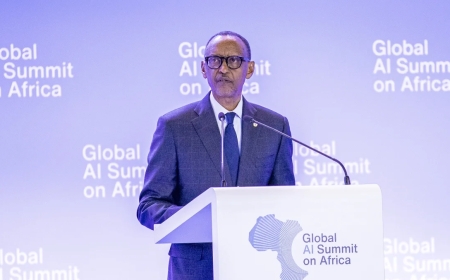
President Paul Kagame has said Rwanda will continue speaking out about its regional security threats, particularly the presence of the Kinshasa-backed FDLR genocidal militia, insisting that no amount of pressure will silence the country on an issue he described as fundamental to its security.
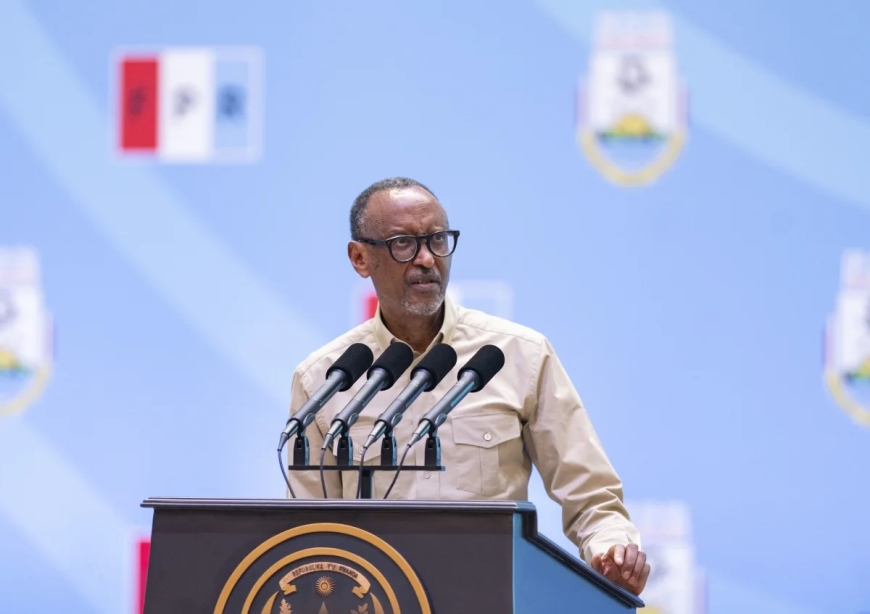
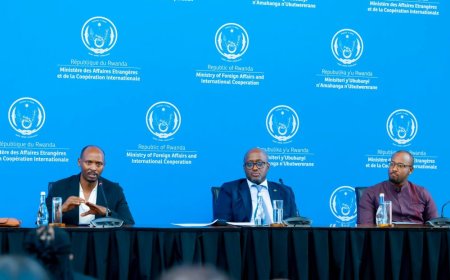
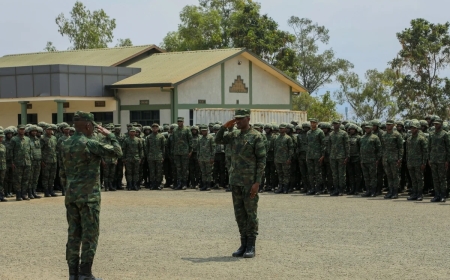
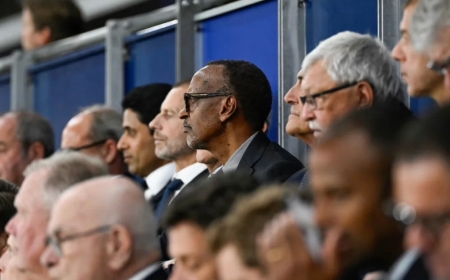
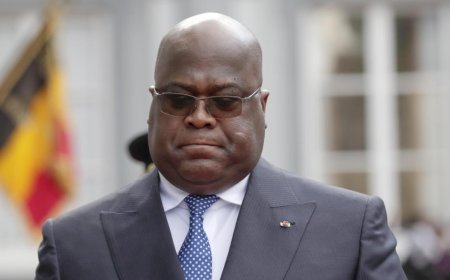
He stressed this on Friday, July 17, while addressing the RPF-Inkotanyi Bureau Politique meeting held at Intare Arena, in Kigali. Kagame reiterated that Rwanda’s concerns about the presence of the genocidal militia in eastern DR Congo have repeatedly been dismissed despite evidence of the militia’s continued activities.
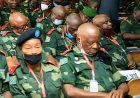
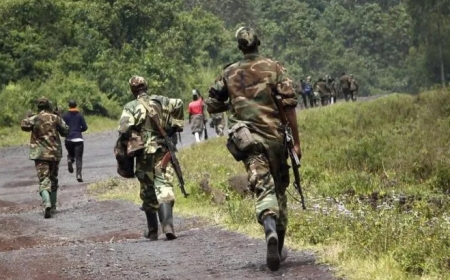
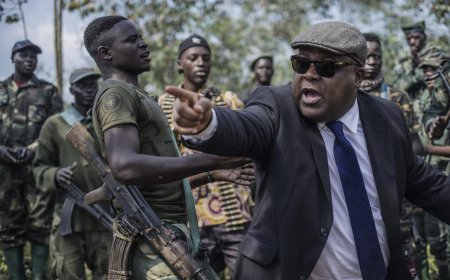
The genocidal militia has sustained its operations in DR Congo through multiple streams of income ranging from agriculture and mining to taxation, timber, charcoal and wildlife trafficking, while also receiving support from Kinshasa, according to one of its former senior members, ‘Col (Rtd)’ Augustin Nshimiyimana, who graduated from Mutobo Demobilisation and Reintegration Centre in Musanze District, in 2022. During at a Unity Club meeting that discussed the history of the Genocide against the Tutsi and the struggle to stop it, on June 27, Nshimiyimana, shared his account of how the militia financed its activities and maintained its operations in DR Congo over the past 30 years.
Among other things, Nshimiyimana also explained that FDLR built influence through politics. Congolese provincial and national parliamentary candidates seeking election in areas under FDLR control first negotiated with the militia before campaigning. Candidates brought cash, medicines and other supplies in exchange for the genocidal group's support, he said, noting that it is then that the militia commanders instructed local voters which candidates to elect.
“Virtually all the provincial deputies from areas where the FDLR was based could not get elected without FDLR support,” Nshimiyimana said.
On Friday, Kagame said: “But despite all that, you will hear people say FDLR don’t exist. The UN, there are some groups of experts, they will tell you that story doesn’t exist or they will say it so lightly that you believe it doesn’t matter.”
Kagame said the crisis in eastern DR Congo should not be turned into Rwanda’s problem, arguing that it is primarily an issue for DR Congo and its people to resolve. Rwanda’s main concern is FDLR, he stressed.
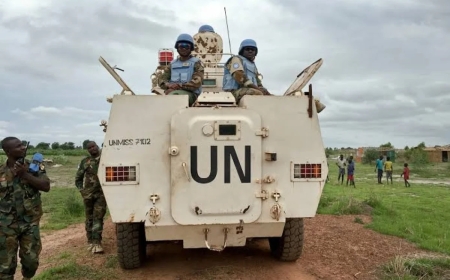
“You Congolese, or the UN that is employed there, and there are thousands, address that problem and stop them [FDLR] from invading our country, or we will sort it out ourselves,” Kagame said.
Rwanda participated in various peace efforts especially through meetings held in different capitals, including Doha, Washington, Dar es Salaam, and Nairobi.
However, Kagame, said one thing had remained constant: “Congo, or the leaders of Congo, didn’t want peace. They wanted to continue supporting the FDLR.”
Washington agreement and sanctions
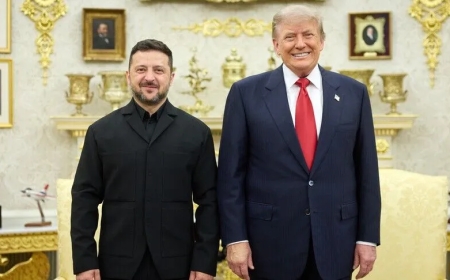
In December 2025, Kagame and his Congolese counterpart signed an agreement in Washington aimed at addressing the root causes of insecurity in DR Congo and the wider region, particularly the continued presence of the FDLR militia. However, Kagame said the process instead resulted in sanctions against Rwanda and the Rwanda Defence Force (RDF).
“It’s just sanctions, sanctions, ... And there is no time, there is no time for Rwanda to be listened to.”
Kagame recalled that in December 2025, months before the AFC/M23 rebels captured Uvira, a strategic city on the DR Congo-Burundi border, Kigali had
provided information warning about troop movements involving Burundian forces and the Congolese army, as well as what he said would happen in the area.
He said information had been shared with the relevant parties and was “on the record” and “in writing.”
After Uvira fell, the situation was instead portrayed as Rwanda “insulting President Trump,” defying Washington, and showing disrespect toward the US president.
Kagame said he had initially viewed the initiative as a positive step toward addressing the political and security challenges affecting Rwanda and the region, as well as strengthening economic partnerships among the US, DR Congo, Rwanda, and the wider region.
However, he said, Rwanda later felt it had been “set up” for something else.
Kagame questioned efforts to remove the AFC/M23 movement without addressing what he described as the underlying causes of the conflict.
“But how do you just expect these people fighting for their own rights? These M23 and others, for them they are on the ground fighting, the others are fighting politically all over the place, as you have seen, including the religious leaders and so on and so forth.”
“I said, how do you just, all of a sudden, think you will wish away all this? Without addressing some of the root causes.”
Kagame said a second group of mercenaries had entered the conflict, following an earlier group of 288 European mercenaries that passed through Rwanda in January 2025 and were flown back to their country in Eastern Europe.
Kagame said the new group had aligned itself with the regional policy and was now “dictating” the process.
“While the initial thing was to finish FDLR and finish M23, this has become finishing M23. But FDLR was there.”
‘I will only shut up when I am dead’
Kagame said one of the complications of global politics and geopolitics is that some people believe they can dictate what the truth should be and determine what should happen, while expecting others to remain silent.
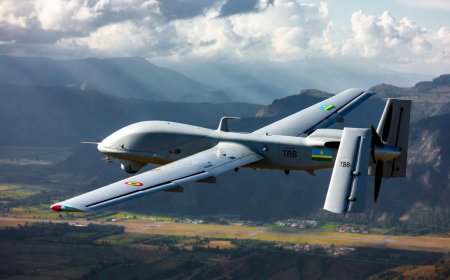
He also spoke about recent fighting and killings in Minembwe in South Kivu, saying he had raised concerns about people being killed and drones firing indiscriminately.
At least 315 people were killed in attacks on Minembwe and surrounding areas in DR Congo’s South Kivu province between February and June 2026, according to an independent report released on Friday by fact-checking organisation Conspiracy Tracker Great Lakes. The report, compiled from information gathered by local civil society organisations, youth groups and community networks, attributes the deaths to military operations carried out by the Congolese government. It says most of the casualties resulted from drone strikes, Sukhoi fighter jets bombings and long-range artillery fire.
The President said what was particularly disturbing was that, during those discussions, someone told him not to raise the issue because “it is none of your business.”
Kagame said the message was essentially telling Rwanda to “just shut up.”
“I will only shut up when I am dead...That is the only way to make me shut up.”