








































Are our children safe in this brave new AI world?
Last Saturday I was at my cousin's house in Kicukiro for dinner. I'll call her Chantal, and her daughter Keza. Those are not their real names. Chantal...

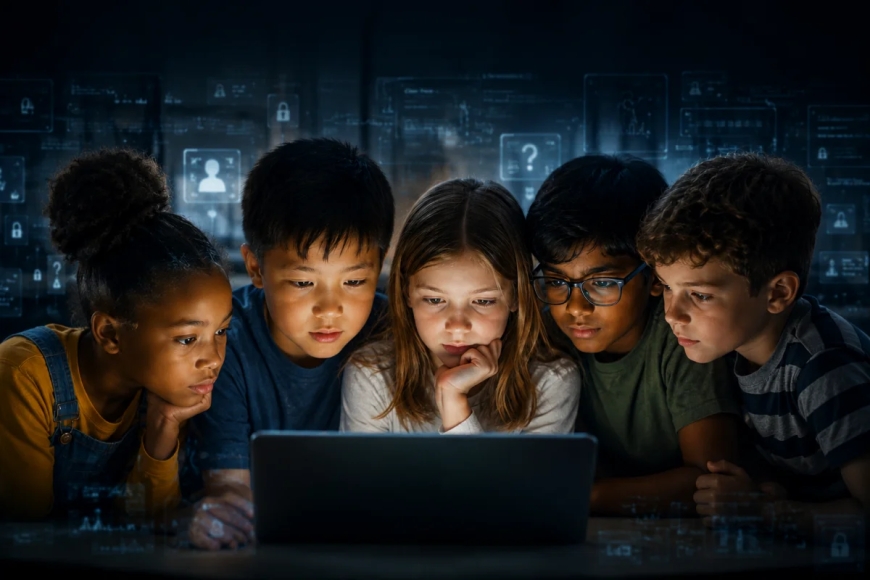
Last Saturday I was at my cousin's house in Kicukiro for dinner. I'll call her Chantal, and her daughter Keza. Those are not their real names. Chantal would skin me if I used the real ones.
Keza is 14.
She sat at the table with us, thumbs moving under the table where she thought we couldn't see. I asked who she sat with at break, trying to be the fun uncle. "People." she replied. Obviously distracted the entire time.
She finished her rice and went to her room. At around 10, we walked past her door and heard her burst out laughing. I was glad she was on a call with a friend. Then Chantal said, quietly: "Keza is talking to a chatbot."
On the drive home, Chantal started listing. Keza eats alone in her room. The TV she used to fight them for has been silent since March. Two friends she calls sisters haven't been to the house in four months. She defends the bot when Chantal asks about it. She calls it "him." Last Sunday, Chantal told her she missed her. Keza answered: "You should ask him for advice on talking to me."
Chantal said this in a flat voice, both hands on the wheel. When she dropped me at my gate she asked, "What do I do?" I didn't have an answer. I haven't slept properly since.
Three other parents have brought this up in the last two months. Same story each time. Their teenagers are quieter at the table and louder behind a closed door, and the voice on the other side is not a person.
Why are the bots winning? Because they listen the way we all wish to be listened to. No advice. No comparison to ‘how things were in our day’. They mirror the child back to herself, in a more interesting way than she actually is. To a 14-year-old, that can feel the same as love.
There is a Rwandan word for what is breaking here. Umuryango. The wider family. Our way of raising children has always leaned on the people around them. The neighbour who watches your child when you are late. The aunt who corrects her. The woman at the shop who knows her name.
That was the engine of how a child became a person. It was loud and full of friction. The friction was the point.
In Florida last year, a 14-year-old boy killed himself after months of conversations with a chatbot he ‘loved’. His mother is suing. The transcripts read like a romance. A child died because of it.
I don't have teenagers of my own yet. I am the uncle who visits, eats the food, and goes home.
So, take this for what it is. But here are four things I've been telling my friends.
Put phones in a basket for one meal a day. Just one. Yours too.
Ask real questions. Not "how was school." Something they can't answer with one word.
Create spaces where they have to be with actual people. Let them live in the friction.
Sit with your child while she uses the bot. Watch. Ask what she likes about it. Be present.
Our Umuryango was never tidy. The aunt was nosy. The neighbour was loud. The woman at the shop talked too much. That was the gift. A child raised by imperfect people learns that love survives imperfection.
A child raised by a flawless AI listener may never learn that lesson. And the first time a real person fails her, she may decide the bot was right all along.