






























Rwanda adjusts public school fees to match cost of living
Rwanda has revised public school fees to reflect the rising cost of living, aiming to maintain quality education while ensuring affordability for families.

Parents with children in public and government-aided schools will begin paying higher school fees starting in January 2027, following a government decision to revise government and parental contributions in line with the overall consumer price index (CPI).
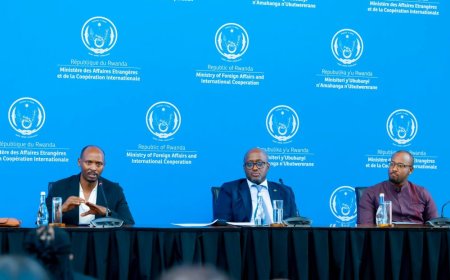
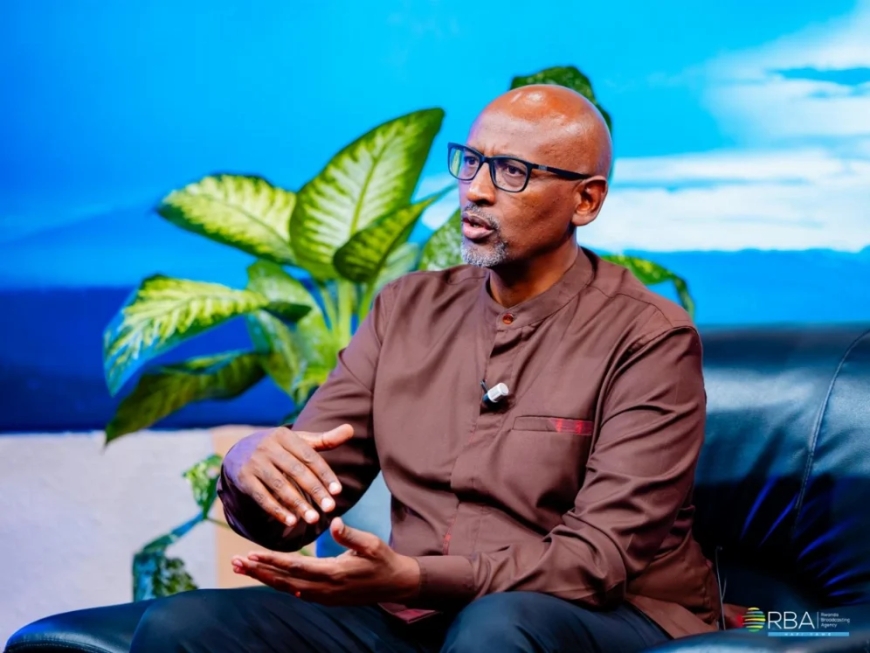
The revised fees, which will take effect in the second term of the 2026/2027 academic year, were announced by the Minister of Education Joseph Nsengimana during a televised discussion on August 1, focusing on Rwanda’s education progress, preparations for the new academic year, and upcoming sector reforms.
The adjustment comes five years after the current fee structure was introduced in 2022.
Explaining the rationale behind the changes, Nsengimana said schools are financed through three main sources, which are government grants, government contributions to the school feeding programme, and parents’ contributions.
He noted that while these funding mechanisms have enabled schools to operate, the current contributions no longer reflect the prevailing market prices.
“School head-teachers have consistently informed us that the existing support is no longer sufficient because prices of goods and services have significantly increased,” he said.
To address the gap, the government will increase its capitation grants by more than 65 percent, with allocations varying depending on the needs and characteristics of individual schools.
At the same time, parents' contributions will also be revised to ensure schools continue providing quality education and meals.
Under the new fee structure, parents of children in pre-primary and primary schools will contribute Rwf2,000 per term towards the school feeding programme, up from Rwf975.
Parents of day scholars in public and government-aided secondary schools will pay Rwf24,000 per term instead of Rwf19,500, while parents with children in boarding schools will pay Rwf110,000 per term, up from the current Rwf85,000.
According to the minister, the revised figures were determined using changes in the Consumer Price Index (CPI) rather than arbitrary estimates.
“These figures were not made up. They reflect adjustments based on the Consumer Price Index and how prices have changed over the years,” he said.
The minister added that the actual cost of operating boarding schools would have justified an even higher fee of around Rwf120,000, but the government opted to shoulder a larger share of the cost to reduce the financial burden on parents.
“We decided that the government would contribute more because parents are already making a significant contribution,” he explained.
He noted that implementation was deliberately postponed until January 2027 to give everyone involved sufficient time to prepare.
The last revision of school fees was introduced by the Ministry of Education in September 2022, when the government harmonised tuition and feeding charges across public, Technical and Vocational Education and Training (TVET), and government-aided schools.
Under those reforms, tuition fees for learners in pre-primary and primary schools were removed, with parents contributing only Rwf975 per term towards the school feeding programme.
Parents of day scholars in secondary schools were required to pay Rwf19,500 per term, while boarding school students paid Rwf85,000.
The 2022 guidelines also capped additional parental contributions for other school needs at Rwf7,000, subject to approval by parents, and allowed schools renting mattresses to charge new students Rwf9,000 once every three years for replacement.
At the time, then Minister of Education Valentine Uwamariya said the harmonised structure was intended to promote equity and ease the financial burden on families.
“There were no school fees guidelines before. Some schools charged more, others less, and in some cases parents were asked to make unnecessary contributions,” she said.