








































Rwanda Parliament Gives Education Ministry Six Months to Close Gaps in Education Law
Rwanda's Parliament has given the Ministry of Education six months to finalize pending regulations and address implementation gaps in the 2021 Education Law, including language of instruction, TVET training, and higher education reforms.

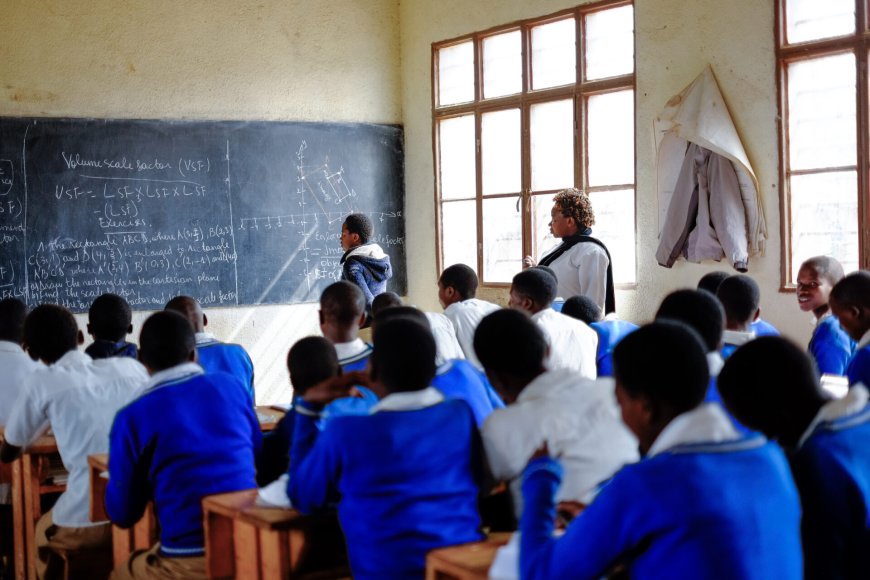
Parliament has given the Ministry of Education six months to fast-track pending regulations and address persistent implementation gaps in the education law, warning that delays are hindering the full delivery of reforms.
The directive was adopted by the Chamber of Deputies on Monday, August 3, after lawmakers reviewed the implementation of 2021 Law governing the organisation of education, five years after it came into force.
Presenting the report of the Parliamentary Committee on Education, Technology, Culture, Sports and Youth, Deputy Chairperson MP Balinda Rutebuka said the review assessed whether the law had addressed the problems that prompted its enactment, whether institutions established are functioning as intended, and whether the legislation was advancing education.
The committee found that the law has brought significant progress to the sector.
According to the report, on the positive side, the law consolidated four separate education laws into a single legal framework, strengthened nursery education, updated curricula, improved technical and vocational education, introduced Rwanda Qualifications Framework, and established dedicated statutes for staff in higher learning institutions.
It also contributed to an increase in pre-primary enrolment from 293,823 learners in the 2020/21 academic year to 683,284 in 2025/26.
Despite the progress, the committee found that key provisions of the law remain difficult to implement because many supporting regulations have not yet been issued.
"Sixteen of the 29 orders provided for under this law have not yet been put in place, affecting the implementation of the law's provisions," Rutebuka told the House.
The committee noted that only 13 implementing orders have been published, while 11 are awaiting Cabinet approval and five are still being drafted. As a result, some governance structures provided for under the law are unable to function as intended.
Lawmakers also identified several provisions that are not being implemented in practice.
"Article 20 provides that the language of instruction is English, yet some private schools not following an international curriculum do not teach in English, contrary to the law," the committee found.
The report further notes that many technical and vocational schools are not securing practical training placements for students despite the legal requirement to do so.
MPs also raised concerns that students are not receiving incentive payments from products they produce during practical training as required by law.
MP Vanessa Umuhoza Gashumba said Parliament was directing the Ministry of Education to expedite the establishment of all outstanding ministerial orders required under the law.
The ministry was also instructed to resolve implementation challenges relating to the language of instruction, practical training placements for TVET students, incentive payments for students' practical work, and legal inconsistencies concerning higher education qualifications and temporary closure orders for higher learning institutions.
The two directives are to be implemented within six months.