











Wikileaks: Évariste Ndayishimiye and CNDD-FDD, Power Behind Burundi’s “Mafia” State

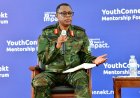
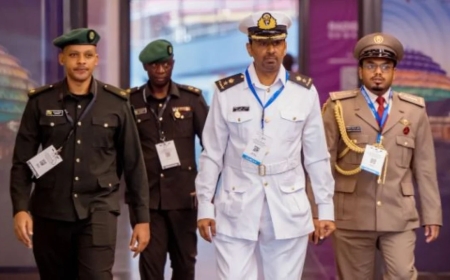
In 2007, a confidential U.S. Embassy cable published by WikiLeaks identified four senior military figures surrounding then-President Pierre Nkurunziza as the real power brokers in Burundi: Interior Minister Évariste Ndayishimiye, intelligence chief Adolphe Nshimirimana, Deputy Army Chief Godefroid Niyombare, and Police Director Alain Guillaume Bunyoni.
Nearly two decades later, only Ndayishimiye remains at the center of power.
His rise reflects more than political survival. It mirrors the transformation of the CNDD-FDD ruling party from a rebel group, into what critics describe as a highly centralized political machine dominated by Ndayishimiye.
Subsequent American cables portray a system that operates like a “mafia”, where real authority rests not with formal institutions but within a small circle of security officials “acting in their own interests” while the ruling party increasingly became inseparable from the state.
The Last Man Standing
The other members of the 2007 military quartet have all fallen from power. Nshimirimana was assassinated in 2015, Niyombare was purged following the failed coup attempt that same year, and Bunyoni—once Ndayishimiye’s prime minister—was arrested in 2023, sentenced to life imprisonment, and later released on medical grounds.
Ndayishimiye alone consolidated control.
Initially viewed as Pierre Nkurunziza’s handpicked successor, he was widely expected to remain under the influence of powerful generals. Instead, he gradually neutralized rivals and emerged as Burundi’s undisputed leader.
The WikiLeaks cables describe a political system from those years where military and intelligence officials shaped major state decisions while civilian institutions played a secondary role.
American Diplomats warned that President Nkurunziza was increasingly isolated by military advisers who blocked alternative viewpoints and prioritized factional interests over national governance.
The cables also portrayed a political culture where internal rivals were removed rather than accommodated, allowing a small network of former rebel commanders to dominate the security services, government and ruling party—a concentration of power that critics say resembles the workings of a patronage-based “mafia state.”
Marginalizing Tutsi minority
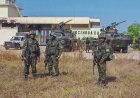
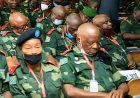
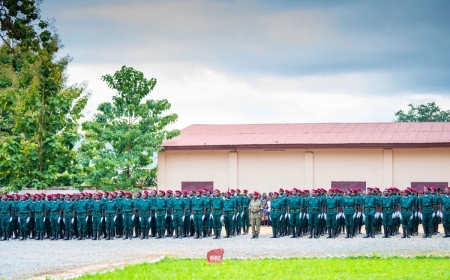
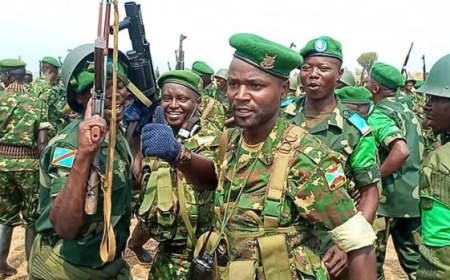
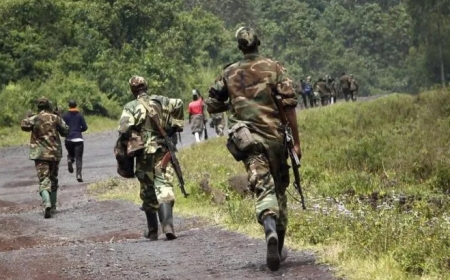
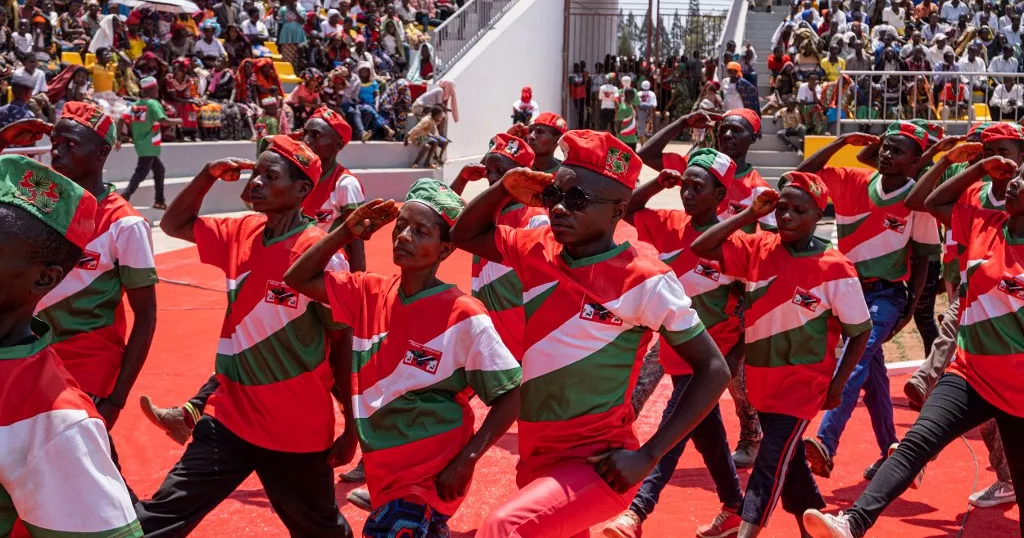 These some of the youth the ruling party has mobilised, calling them Imbonerakure.
The WikiLeaks cables also reported the CNDD-FDD increasingly weakened the ethnic power-sharing framework established under the Arusha Peace Accords. The cables indicate that ethnicity became a political tool in the party’s drive to consolidate power.
One cable quotes former President Domitien Ndayizeye accusing the CNDD-FDD of “actively marginalizing… parties predominantly representing the Tutsi minority.”
Rather than preserving Arusha’s carefully negotiated balance, critics argued the ruling party was steadily dismantling it in pursuit of ethnic dominance.
Over the years, observers argue the CNDD-FDD never abandoned its wartime culture of secrecy, loyalty and militarization.
Former rebel commanders—known as abarwanye (“those who fought”)—continue to wield enormous influence inside both the party and the state, concentrating authority within a narrow military-political elite.
Economic Crisis
Burundi today faces severe economic hardship. More than 70% of the population lives below the poverty line, while shortages of fuel, electricity and foreign currency have become routine. Inflation surged in 2025, public transport has been repeatedly disrupted, and businesses struggle under chronic fuel shortages.
The fuel crisis has drawn additional scrutiny because Prestige, one of the country’s main fuel importers, has been linked to First Lady Angeline Ndayishimiye. The government denies any wrongdoing and attributes shortages to hoarding and supply disruptions.
The 2025 legislative elections gave the CNDD-FDD an overwhelming parliamentary majority amid allegations of intimidation, arbitrary arrests, disappearances and restrictions on opposition parties.
Civil society and UN investigators have documented years abuses involving state security services and the ruling party’s youth league, the Imbonerakure, operating with widespread impunity.
Journalists, civil society organizations and opposition figures continue to face restrictive laws and political pressure.
Regional Ambitions
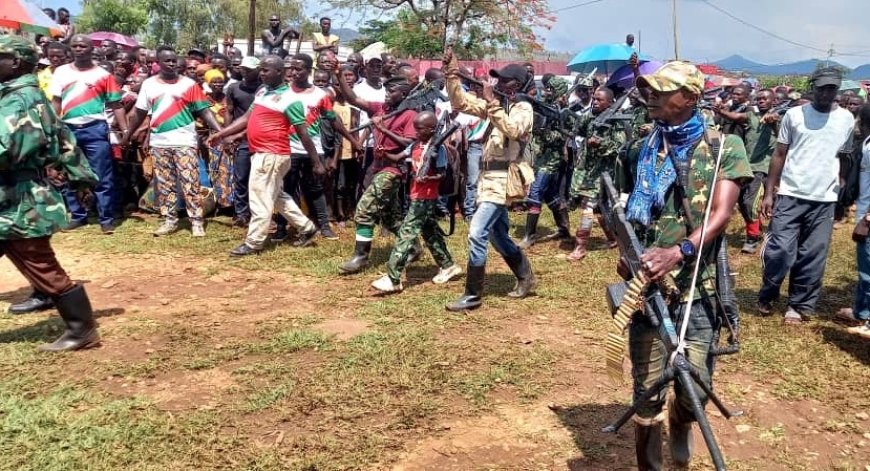
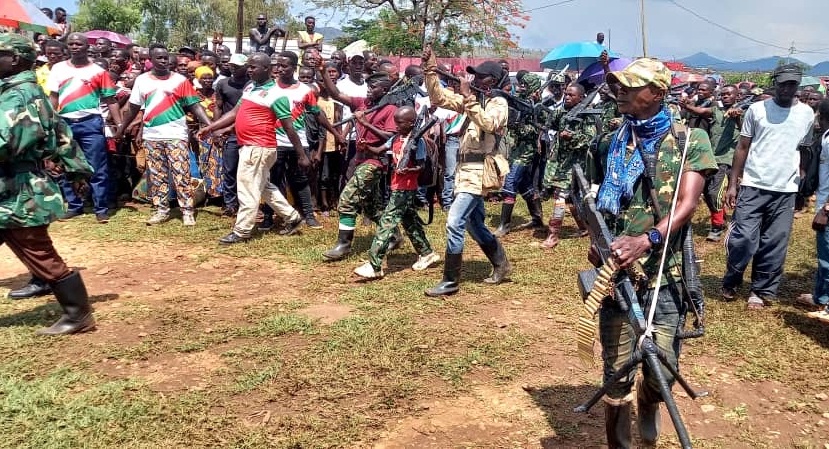 The Imbonerakure youth wing is not part of the security aparatus, yet is heavily armed
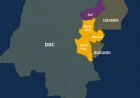
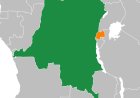
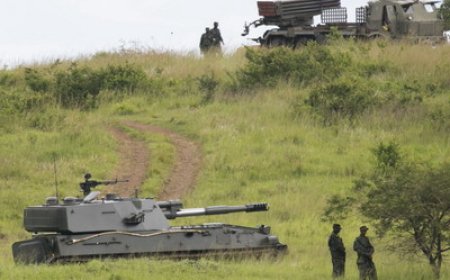
Despite mounting domestic economic challenges, Burundi has expanded its military deployment in eastern Democratic Republic of Congo, arguing the operation is necessary for national security. UN reports show Burundi is cooperating with the Rwandan FDLR militia, whose members took part in the 1994 genocide in Rwanda, and fled to Congo.
The WikiLeaks cables captured a political trajectory that has become increasingly evident over the past two decades: the erosion of the Arusha power-sharing framework, and perceived rivals from mainly Tutsi political camps systematically marginalized.
Whether Évariste Ndayishimiye will ultimately be remembered as the leader who stabilized Burundi or as the culmination of the CNDD-FDD’s long consolidation of power will largely depend on whether his government can reverse the country’s deepening economic crisis and ethnicising the state.
Nearly twenty years after U.S. diplomats first warned that a small circle of former rebel commanders had come to dominate Burundi’s political system, Ndayishimiye stands as the sole surviving member of that inner circle—and the undisputed face of the system they helped build.