








FARDC, FDLR and Allied Militias Held Strategy Meetings in Walikale
As momentum behind the US-brokered Washington Accords fades, Kinshasa is quietly arranging logistical and military support for the genocidal FDLR forces...

As momentum behind the US-brokered Washington Accords fades, Kinshasa is quietly arranging logistical and military support for the genocidal FDLR forces positioned near Rwanda’s border, according to multiple sources. The effort is aimed at preserving the genocidal militia’s operational capacity and reviving incursions into Rwanda’s Rubavu and Musanze districts, despite commitments under the peace agreement to neutralize the genocidal armed group.
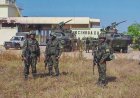
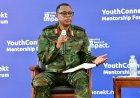
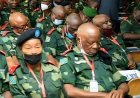
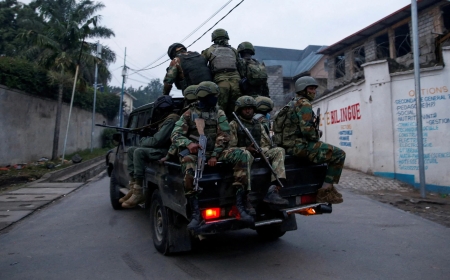
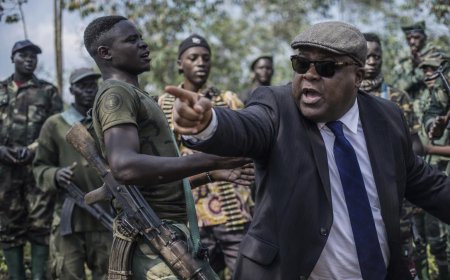
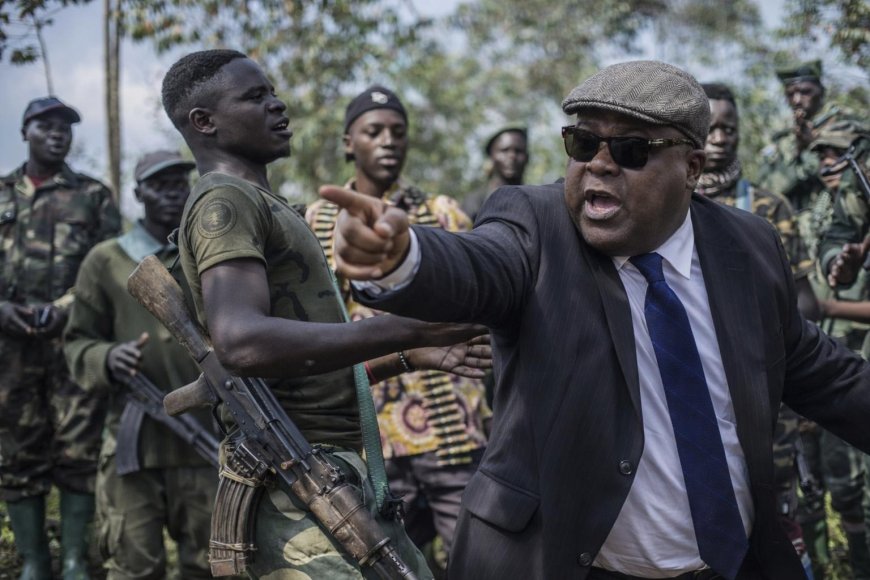
Reliable sources say that in early June, Col. Christopher Mukubwa Buli, who serves under the Military House (Maison Militaire) of the DRC Presidency – a specialized advisory body – and coordinates Wazalendo militias in Grand-Nord, North Kivu Province, convened a series of meetings at the Congolese army’s Pinga-axis headquarters in Walikale Territory.
Those who attended included commanders from FARDC, FDLR, and anti-Rwanda organizations led by Fabien Singaye, the son-in-law of Félicien Kabuga – a Rwandan businessman and génocidaire who played a major role financing the 1994 Genocide against the Tutsi. Charged with genocide, incitement to commit genocide, and crimes against humanity, Kabuga, once one of the most wanted fugitives from justice with a $5 million bounty on his head, died in UN custody in May 2026 at the age of 93.
According to sources, the meetings discussed, among other issues, the integration of FDLR fighters into Wazalendo militias to conceal FDLR troop numbers and shield militia commanders should the United States pressure Kinshasa to honor the Washington Accords.
The meetings also assessed FDLR performance on the front lines and approved preparations for its combatants to receive training in Congolese national training centers and abroad.
Above all, discussions focused on sustaining FDLR forces near Rwanda’s border and reviving incursions into Rubavu and Musanze districts in northwestern Rwanda. Rubavu especially suffered heavy shelling by FARDC and its allies in January 2025 amid fierce fighting with AFC/M23 rebels over Goma, the provincial capital of North Kivu, leaving 16 Rwandan civilians dead and 177 injured.
Musanze also experienced tragedy linked to the genocidal militia and its affiliates in 2019, when more than a dozen people were killed and hundreds injured during the Kinigi attacks.
Since the late 1990s, FDLR has infiltrated the porous border and launched more than 20 attacks on Rwandan territory with support from successive regimes in Kinshasa, killing civilians in the country’s northwestern region.
Kigali has long identified FDLR as its principal security concern emanating from eastern DRC—a threat that has, over time, compelled Rwanda to adopt defensive measures along its borders.
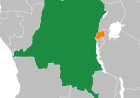
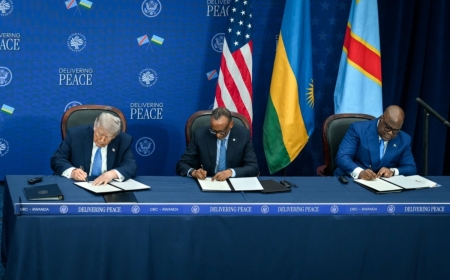
Signed in December 2025, the Washington Accords between DRC and Rwanda stipulate that Kinshasa must neutralize the genocidal militia before Kigali lifts its defensive measures.
The United States has sanctioned Rwanda’s army and senior military officers in what Washington described as an effort to pressure Kigali to comply with the peace accords. However, neither the Congolese army nor its senior officers have been sanctioned for maintaining direct support to the genocidal militia at the center of the accords’ implementation.
Political scientists have warned that applying pressure to Rwanda and AFC/M23 while shielding DRC and FDLR cannot produce lasting results.
The FDLR remains capable of destabilizing Rwanda and the wider region, particularly with Kinshasa’s backing.
Several sources confirmed that participants in the meetings aimed at planning FDLR attacks on Rwanda included Col. Franck Mutunda Kapamba, the Director of Intelligence under FARDC’s 34th Military Region, and Col. Solomon Tokolonga, the Commander of the 3402 Region and acting commander of the Pinga-axis, an area that includes parts of Walikale Territory, Masisi Territory, and parts of Lubero Territory.
These are the same FARDC officers who facilitated the delivery of more than three tons of ammunition and other forms of support to FDLR and allied militias in eastern DRC in January.
In its October 2022 report, Human Rights Watch stated that several Congolese army officers attended meetings with FDLR, led by Col. Tokolonga, who at the time oversaw operations and military intelligence within FARDC’s 3411th Regiment.
Human Rights Watch reported receiving credible information that members of the Congolese army from Tokolonga’s 3411th Regiment provided more than a dozen boxes of ammunition to FDLR fighters in Kazaroho, one of their strongholds in Virunga National Park, in July 2022. Two months earlier, dozens of FDLR and CMC/FDP fighters – members of an allied Congolese militia coalition – had joined a major counteroffensive alongside government soldiers around Rumangabo and Rugari. The CMC/FDP refers to the Collectif des Mouvements pour le Changement / Forces de Défense du Peuple, an armed coalition that has operated in eastern DRC.
According to sources, Brig. Gen. Bernard Hitimana, alias Mutunzi, the commander of FDLR’s military academy, and Col. Pierre Célestin Rurakabije, alias Guillaume Simba, the commander of FDLR’s special forces unit known as Commando de Recherche et d’Action en Profondeur (CRAP), also attended the June meetings.