










Alleged Burundian Military Losses in South Kivu Raise Fresh Questions About DRC Deployment

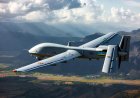
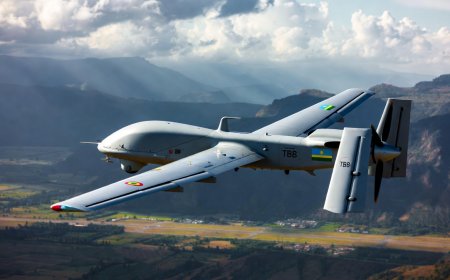
Fizi, 9 juillet 2026 — Reports from local sources indicate that drone strikes may have targeted reinforcements of the Burundian National Defence Force (FDNB) in eastern Democratic Republic of the Congo as fighting intensifies once again in South Kivu. The claims have not been independently verified, and no official confirmation has been issued by the Burundian military, the Congolese army (FARDC), or the AFC/M23 alliance.
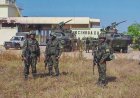
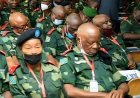
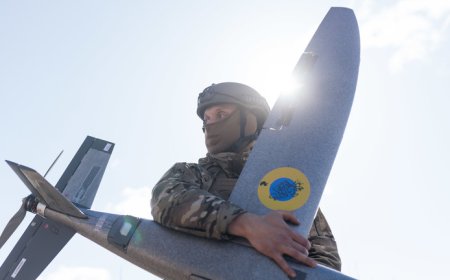
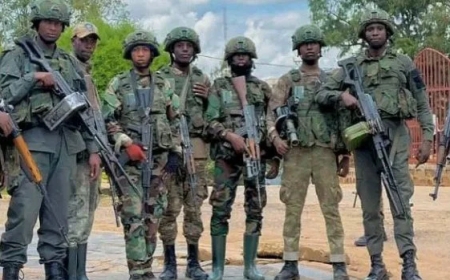
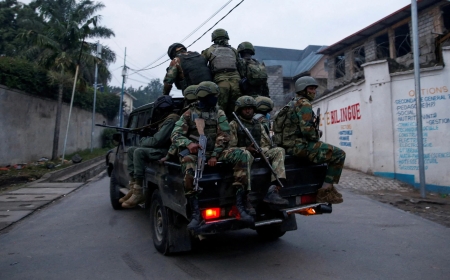
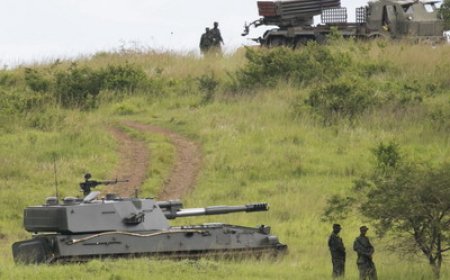
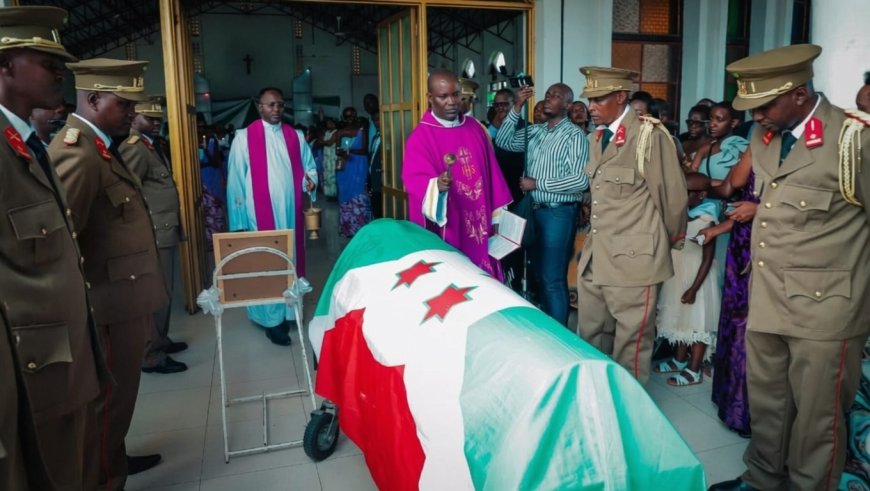
According to local sources in Fizi Territory, three vehicles carrying Burundian troops and ammunition were reportedly struck by drones near Mulima during the past week. The sources allege that several soldiers were killed, including a colonel and a major from the FDNB. However, no official casualty figures have been released.
The same sources also claim that a boat transporting Burundian troops across Lake Tanganyika near the Ubwari Peninsula was hit while delivering reinforcements toward Baraka, Fizi, and the Minembwe Highlands. These reports likewise remain unverified.
Renewed Battlefield Setbacks
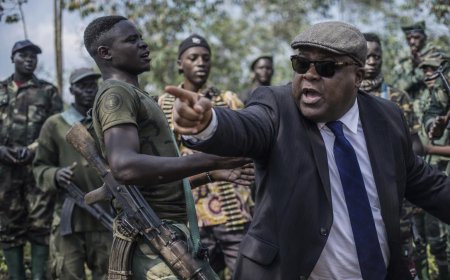
The reported reinforcements were allegedly being deployed to support FARDC, FDNB, and Wazalendo militia positions following the reported loss of several strategic locations, including Point Zéro, Kakenge, Rubemba, Mikenge, and Kalongi. Local sources attribute these territorial gains to Twirwaneho fighters, who are widely reported to be operating alongside the AFC/M23 coalition.
Sources further claim that Congolese and Burundian forces withdrew from Rugezi, Kakenge, and Point Zéro toward Mukera, while other units reportedly retreated toward Misisi, on the route to Tanganyika Province.
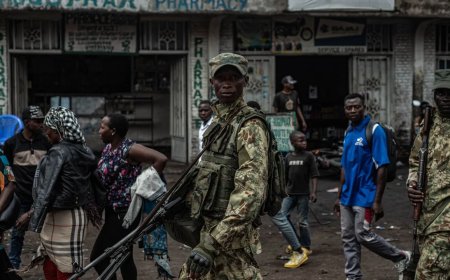
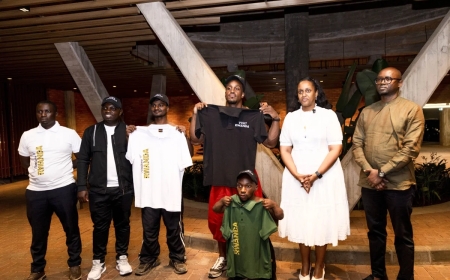
After days of intense clashes, residents describe a relative calm returning to parts of Minembwe. Some displaced civilians are reportedly returning to their villages. Images shared on social media by members of the Banyamulenge community appear to show daily life gradually resuming in areas reportedly under the control of Twirwaneho/AFC-M23, although these images have not been independently verified.
Heavy Cost of Burundi's Military Deployment
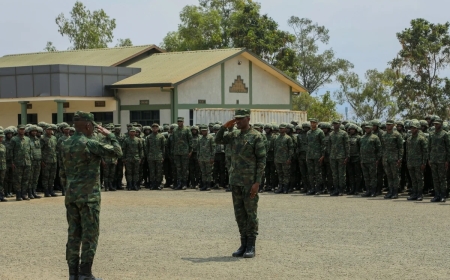
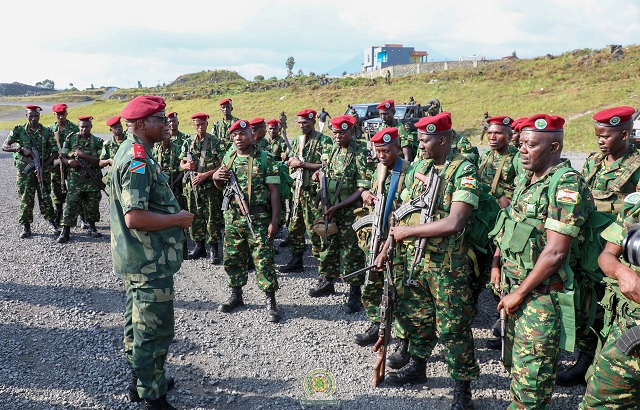
The latest reports come amid growing scrutiny over Burundi's military involvement in eastern Congo. While the number of Burundian casualties from the recent fighting remains unknown, the FDNB has sustained significant losses since deploying forces to the region.
Before the fall of Goma in January 2025, Burundian forces lost several officers, including a major. In December 2025, a Burundian colonel was killed during fighting in the Rusizi Plain, becoming the highest-ranking Burundian officer reported killed since the intervention began.
Following the AFC/M23's withdrawal from Uvira and the Rusizi Plain after diplomatic pressure from the United States, Burundi reinforced its remaining troops. Since February, the FDNB, FARDC, and Wazalendo militias have reportedly received additional personnel and equipment, allowing them to slow Twirwaneho and AFC/M23 advances for several months. Recent battlefield developments, however, may indicate another shift in the balance of power in South Kivu.
More Than 29,000 Burundian Troops Deployed
According to an internal Congolese Ministry of Interior and Security document cited by SOS Médias Burundi, more than 29,000 Burundian soldiers were deployed to eastern DR Congo between August 2022 and December 2025 under a bilateral military agreement between Kinshasa and Gitega.
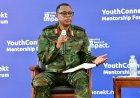
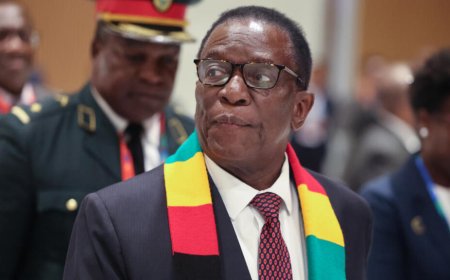
Burundian President Évariste Ndayishimiye has repeatedly defended the deployment, arguing that military casualties are an inherent risk of service. He has also invoked a Kirundi proverb emphasizing the importance of helping a neighbor extinguish a fire before it spreads.
Meanwhile, at least 272 Burundian soldiers are reportedly serving prison sentences, including life imprisonment in some cases, after refusing deployment to eastern Congo.
Regional Conflict Remains Highly Volatile
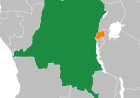
The conflict continues to involve multiple regional actors. Burundian forces are fighting alongside the FARDC and Wazalendo militias against the AFC/M23 coalition. Kinshasa accuses Rwanda of backing AFC/M23, an allegation Kigali denies. Conversely, Rwanda accuses both the Democratic Republic of the Congo and Burundi of cooperating with the FDLR, an armed Rwandan Hutu group linked to perpetrators of the 1994 Genocide against the Tutsi. Both Kinshasa and Gitega reject those accusations.