









DRC conflict: Macron and Ruto voice the truth Tshisekedi avoids
The most uncomfortable truth about the war in eastern DRC is also the one President Félix Tshisekedi continues to avoid: there can be no lasting peace...

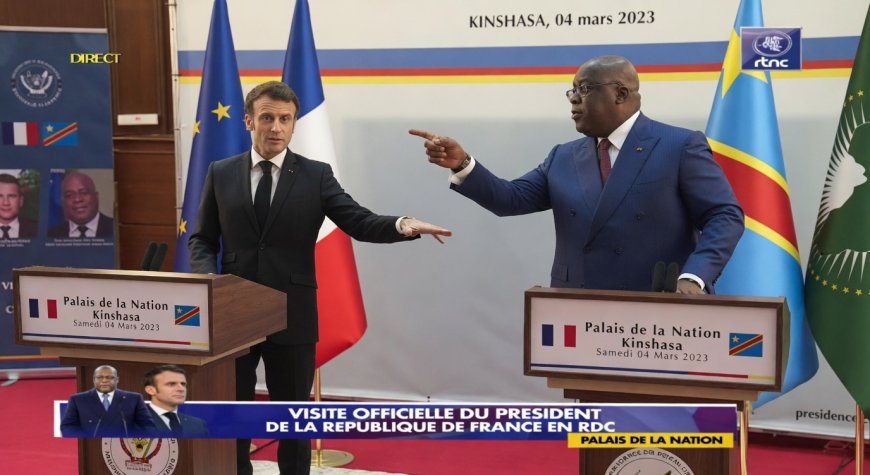
The most uncomfortable truth about the war in eastern DRC is also the one President Félix Tshisekedi continues to avoid: there can be no lasting peace without direct political dialogue with the AFC/M23 rebels.
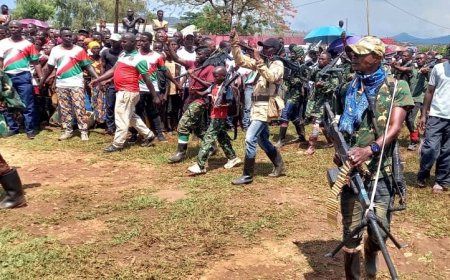
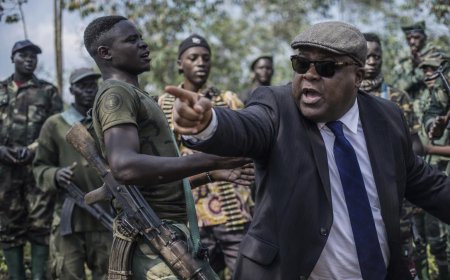
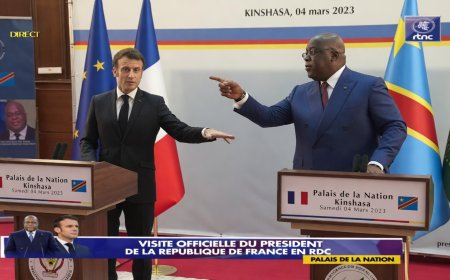
French President Emmanuel Macron and Kenyan President William Ruto have both, in different ways, acknowledged this difficult reality. Congolese President Félix Tshisekedi, however, continues to rely on a military approach that has repeatedly failed. For years, the conflict in eastern DRC has been fuelled not only by armed rebellion, but also by local ethnic tensions, weak governance, failed integration efforts, unresolved refugee issues, land disputes, genocide ideology and hate speech, and the unfinished implementation of past agreements.
Reducing such a complex crisis to blaming Rwanda alone may serve Kinshasa’s political narrative. But it does not resolve the conflict. Instead, it allows Tshisekedi to avoid confronting the deeper political grievances within the DRC itself.
Macron’s remarks on the sidelines of the Africa Forward summit in Nairobi cut through that evasion. In a May interview with TV5 Monde, RFI, and France 24, he warned against the simplistic approach of isolating Rwanda and instead outlined a more realistic path forward: respect for DRC sovereignty, withdrawal of foreign forces, renewed political dialogue with AFC/M23, dismantling of the Kinshasa-backed genocidal FDLR militia, and a coordinated fight against terrorist groups threatening the wider region.
This was not a new position. At the conclusion of the 2024 Francophonie Summit in Paris, Macron had already urged Kinshasa to engage in political dialogue with AFC/M23 while also calling for the dismantling of FDLR and an end to hate speech.
For hardliners around Tshisekedi, such a position amounts to political heresy. Their preferred narrative is both convenient and emotionally powerful: blame Rwanda, demand sanctions, reject dialogue, and portray every internal Congolese grievance as foreign aggression. Macron’s position unsettles them because it exposes the limitations of that narrative.
Ruto has articulated the same reality from an East African perspective. Speaking to France 24 during the Africa Forward summit, he noted that Kenya and its neighbours bear an even greater responsibility to stabilize eastern DRC because the conflict directly affects their economies and security far more than it affects distant powers.
He reminded Kinshasa that Kenya invested resources and placed its soldiers at risk under the East African Community Regional Force (EACRF), only for the mission to be forced out after the Congolese government demanded its withdrawal.
The history of these deployments and withdrawals is revealing. The EACRF came under political attack from Kinshasa because it refused to become Tshisekedi’s private war machine against AFC/M23. Its mandate focused on containment, de-escalation, and support for dialogue. Kinshasa wanted combat operations.
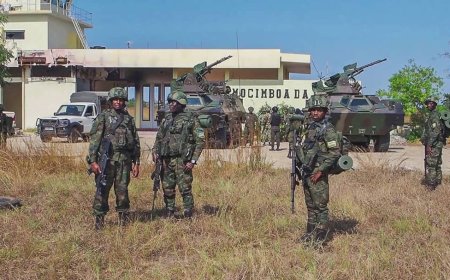
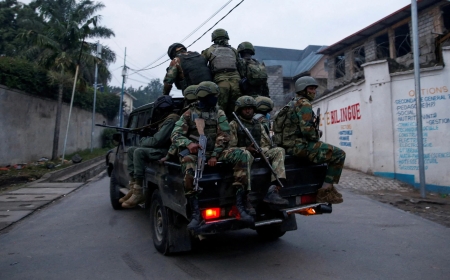
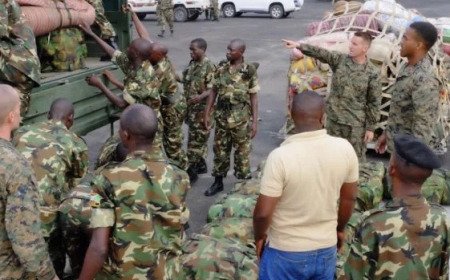
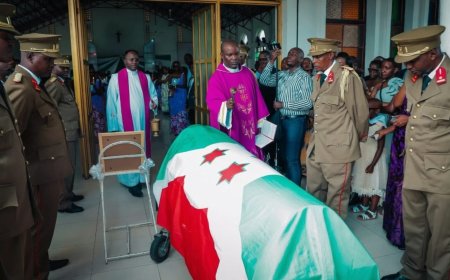
After the EACRF’s forced exit, Tshisekedi turned to the Southern African Development Community Mission in the DRC (SAMIDRC), whose mandate was more openly aligned with military support for the FARDC. Yet by March 2025, SADC leaders had terminated SAMIDRC’s mandate and ordered a phased withdrawal after the mission suffered heavy pressure and losses. Many regional observers viewed the withdrawal as a humiliating setback.
This pattern has become increasingly clear. First comes the rejection of dialogue. Then comes reliance on military force. When force fails, blame is shifted elsewhere. Meanwhile, civilians continue to bear the greatest burden.
The harsh truth voiced by Macron and Ruto is neither anti-Congolese nor pro-Rwandan. It is simply grounded in reality. No amount of international pressure on Rwanda, and no new foreign military deployment, can substitute for Kinshasa’s responsibility to engage Congolese rebels politically, address the FDLR threat, protect vulnerable communities, and implement credible reforms.
Tshisekedi may find dialogue politically uncomfortable, but the alternative has already become painfully clear: endless offensives, repeated withdrawals, deepening regional mistrust, and millions of Congolese trapped between propaganda and war.