










The Blame Narrative Surrounding AFC/M23 Withdrawals
In eastern DRC, a troubling pattern has become increasingly difficult to ignore. AFC/M23 rebels withdraw from captured territory in what are presented as...

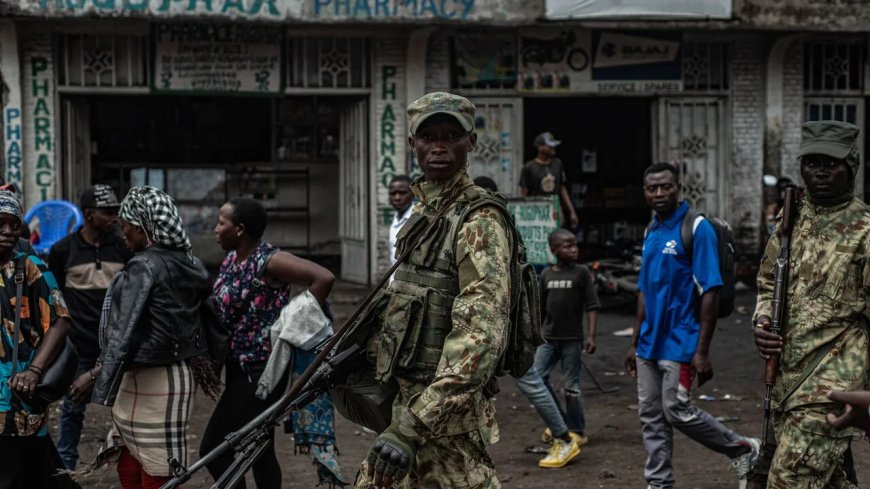
In eastern DRC, a troubling pattern has become increasingly difficult to ignore. AFC/M23 rebels withdraw from captured territory in what are presented as gestures of goodwill, de-escalation, or steps toward peace, only for the Congolese army and its allied militias to move in and carry out reprisals against local Tutsi communities, particularly the Banyamulenge, as well as civilians accused of supporting the rebels.
Kinshasa and its echo chambers later blame the resulting bloodshed on the very forces that had already pulled out.
A May 14 report by Human Rights Watch on Uvira is the latest example of this troubling script. HRW accuses AFC/M23 of killings, rape, abductions, and summary executions during its control of Uvira between December 2025 and January 2026. However, the report sits uneasily alongside HRW’s own earlier warning in January, when the organization acknowledged that AFC/M23’s sudden withdrawal from Uvira on January 17 had left civilians at grave risk from abusive Wazalendo militias and FARDC forces.
That contradiction cannot simply be brushed aside.
When AFC/M23 left Uvira, fears immediately mounted that Wazalendo fighters and FARDC elements would retaliate against Banyamulenge civilians.
Those fears were not abstract. Looting, intimidation, destruction of property, and targeted violence followed the withdrawal. Homes, businesses, religious sites, and public infrastructure were attacked. The very communities that had hoped the withdrawal would ease tensions instead found themselves exposed.
HRW’s senior Great Lakes researcher Clémentine de Montjoye warned at the time that the sudden departure placed civilians at “grave risk” from abusive militias and government forces. She cautioned that the mere presence of Congolese troops would not necessarily protect civilians if those forces continued to tolerate, collaborate with, or empower abusive armed groups.
That warning proved painfully accurate. Within days, reports emerged of abductions, torture, looting, and systematic destruction. More than 300 Congolese Tutsi families, mostly Banyamulenge, totaling over 1,000 men, women, and children, fled Uvira, citing targeted violence by the FARDC-led coalition.
Local accounts described a familiar and brutal cycle: AFC/M23 withdraws; government forces and allied militias return; reprisals begin; and blame is redirected back to the rebels.
So, how did those who had withdrawn from Uvira suddenly become the principal villains of what followed? That is the question HRW must answer if it wants to preserve its credibility.
Uvira was not an isolated case. In March 2025, AFC/M23 captured the strategic mining town of Walikale and surrounding areas, only to announce a withdrawal three days later as a goodwill gesture. FARDC troops, Burundian forces, Wazalendo fighters, and Kinshasa-backed FDLR elements quickly moved back in.
Soon after, eyewitnesses reported looting, civilian killings, and widespread destruction. Once again, violence that followed the withdrawal was conveniently attributed to the very forces that had already left.
The same pattern appeared in Nturo village, Masisi territory, North Kivu, in October 2023. After AFC/M23 pulled out, the Congolese army coalition launched repeated assaults. More than 300 homes belonging to Congolese Tutsi families were burned, and civilians were killed.
Again, the suffering that followed a rebel withdrawal was folded into Kinshasa’s preferred narrative: AFC/M23 did it, Rwanda backed it, and the FARDC-led coalition was merely restoring state authority.
But facts are stubborn. Each time AFC/M23 withdraws, vulnerable communities are often left more exposed, not safer. The vacuum is filled not by disciplined state protection, but by armed actors with a long record of ethnic hostility, looting, and revenge attacks.
Kinshasa then transforms that chaos into political capital. Every burned home, every displaced Tutsi family, every corpse becomes another talking point in its campaign against AFC/M23 and Kigali.
This is narrative laundering.
If HRW wants to be taken seriously, it must investigate the full chain of violence with equal rigor.
That means scrutinizing FARDC, Wazalendo, FDLR, Burundian forces, and every armed actor operating under Kinshasa’s political umbrella, not merely recycling accusations that fit the government’s diplomatic agenda.
Otherwise, HRW becomes part of the very machinery it should be exposing: a machinery that turns “peaceful withdrawals” into propaganda traps, transforms victims into suspects, and recasts those who stepped back to give peace a chance as convenient perpetrators.
In eastern DRC, truth is already under siege. HRW reporting should not help bury it.