




How Anne Marie Musabyemungu persuaded her husband and Maj. Gen. (Rtd) Rwarakabije to leave the FDLR
When the Rwanda Patriotic Army (RPA) concluded its liberation war and brought an end to the 1994 Genocide against the Tutsi, more than two million people...

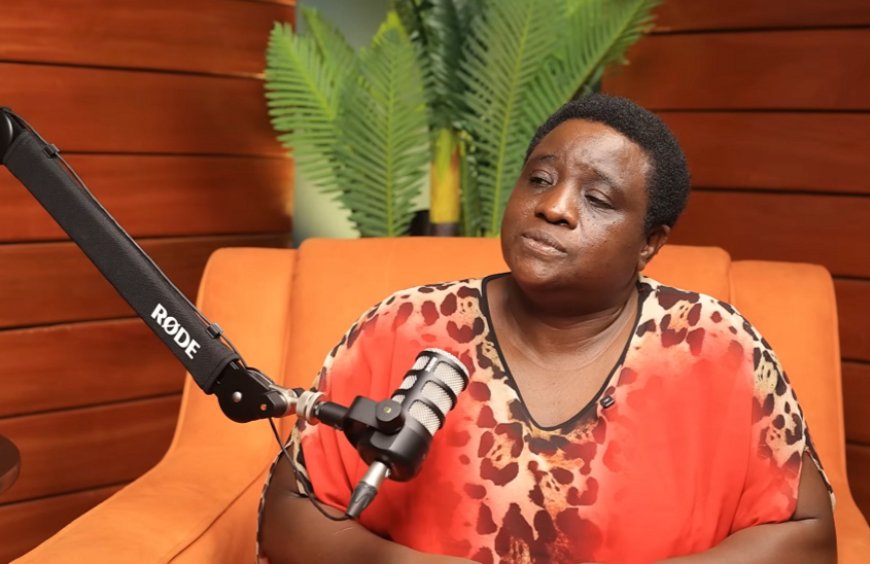
When the Rwanda Patriotic Army (RPA) concluded its liberation war and brought an end to the 1994 Genocide against the Tutsi, more than two million people fled to neighbouring Zaïre, now the Democratic Republic of the Congo (DRC), where they settled in refugee camps near the border. Among them was Anne Marie Musabyemungu.
In 1996, as the camps began to be dismantled and refugees were encouraged to return home, Musabyemungu decided to repatriate and join fellow Rwandans in rebuilding a nation devastated by the 1994 Genocide against the Tutsi.
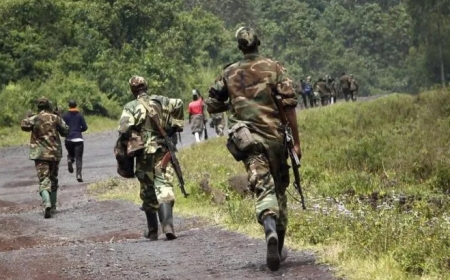
While many civilians returned, former government soldiers (Ex-FAR) and Interahamwe militia members refused to do so. Instead, they organised armed groups with the aim of launching attacks on Rwanda and reclaiming power. Their continued presence eventually prompted military operations to facilitate their repatriation.
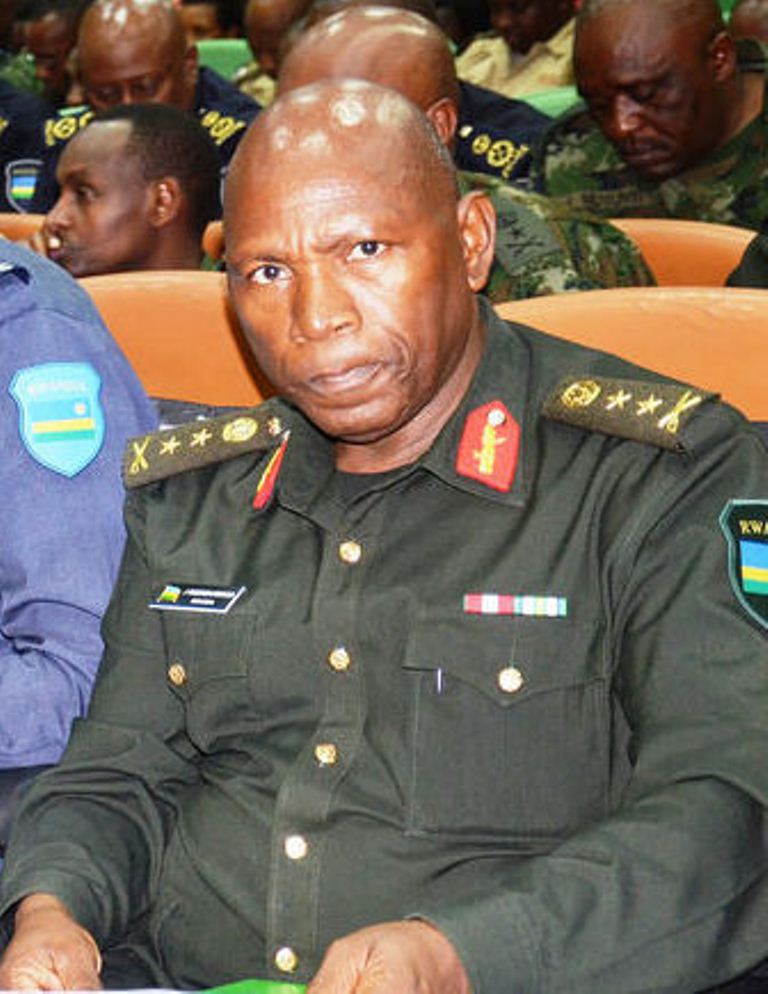
In 2000, these groups formally established the Democratic Forces for the Liberation of Rwanda (FDLR), a rebel movement that sought to continue armed operations against Rwanda. Musabyemungu’s husband, Jérôme Ngendahimana, then a colonel, became commander of the group's Second Division before later being appointed head of intelligence.
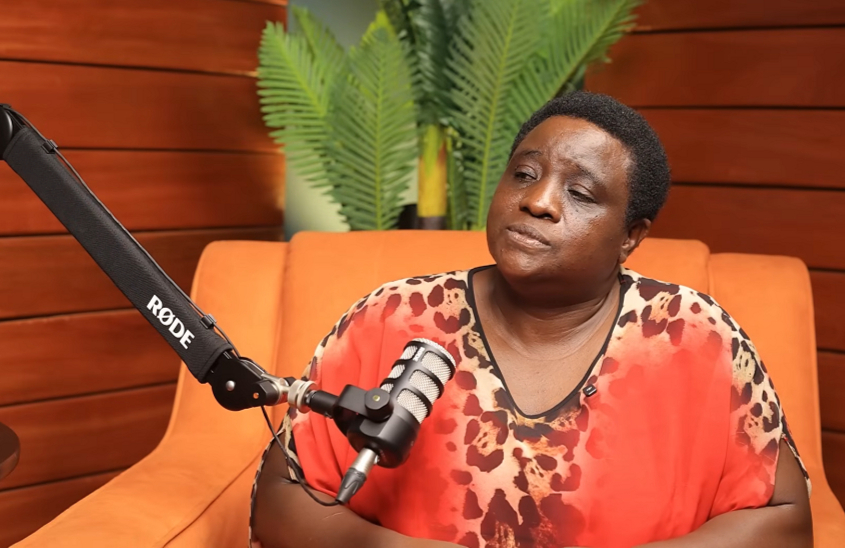
Speaking to KP Media24, Musabyemungu recalled how her efforts to bring combatants home began in 2001 after RPA forces captured approximately 2,000 FDLR fighters and transferred them to Mudende, in present-day Rubavu District.
“I decided to go and see them because I knew many of them,” she said. “Some had studied with me, worked with me, or lived with me in the refugee camps. I wanted to talk to them, explain the situation, and encourage them to return to their country.”
During one of those visits, Musabyemungu met James Kabarebe, who was serving as Chief of Defence Staff of the Rwanda Defence Forces at the time. Impressed by her determination, he agreed to support her proposal to travel into the forests of eastern Congo and persuade other FDLR members, including her husband, to return to Rwanda.
Two years later, in 2003, Musabyemungu embarked on the mission. She travelled across Lake Kivu to Bukavu and continued on foot through dense forests to reach FDLR-controlled territory.
Upon her arrival, she was housed with the wives of FDLR fighters, as many members of the group distrusted her motives. She later learned that some individuals within the movement had proposed killing her, but the group's commander, Paul Rwarakabije, repeatedly intervened to protect her.
“Commander Rwarakabije saved my life,” she said. “Whenever reports recommending my execution were brought to him, he would reject them. Sometimes he would say, ‘Leave her alone; I will deal with her myself.’ At other times he would insist that they could not kill me before my husband arrived.”
Musabyemungu explained that her husband was stationed roughly a week's journey away from the location where she first arrived. When she eventually reached him, she seized an opportunity to speak with him privately.
She told him she had come to take him home and relayed assurances from Gen. Kabarebe that he would be welcomed back and allowed to live peacefully in Rwanda.
Initially sceptical, Ngendahimana struggled to believe the guarantees. He asked for three days of fasting and prayer before making a decision. At the end of that period, he agreed to return, though he remained uncertain about what awaited him during the journey and upon arrival in Rwanda.
In October 2003, after a difficult trek through the forests of eastern Congo, Musabyemungu and Ngendahimana reached Bukavu before crossing into Rwanda through Rusizi. They later travelled to Kigali, where they were personally received by Gen. Kabarebe.
“It was already night when we arrived in Kigali,” she recalled. “I felt immense relief because I had managed to bring him back alive.”
According to Musabyemungu, Kabarebe welcomed them into his home and shared a meal with them.
Soon after Ngendahimana's return, Kabarebe contacted Rwarakabije by telephone to inform him that the former FDLR commander’s colleague had safely arrived in Rwanda. He then entrusted Musabyemungu with another mission of bringing Rwarakabije home as well.
Musabyemungu said she later spoke directly with Rwarakabije, who told her he would only return if she personally came back to the forests and accompanied him to Rwanda, just as she had done with her husband.
“He had refused to come,” she said. “He told me that he would only return if I came back for him. I agreed and returned to Congo. By then, I was no longer thinking about the possibility of being killed. I was only focused on the outcome.”
Ngendahimana supported the new mission and assured Kabarebe that his wife was capable of accomplishing it.
Musabyemungu described the second mission as even more challenging than the first.
“The first time, I had my husband with me. If something happened, we would face it together. This time, I was alone. Reaching Rwarakabije’s base and convincing him to leave was much more difficult,” she said.
In November 2003, she successfully escorted Rwarakabije back to Rwanda. He returned alongside more than 120 soldiers, including 12 officers.
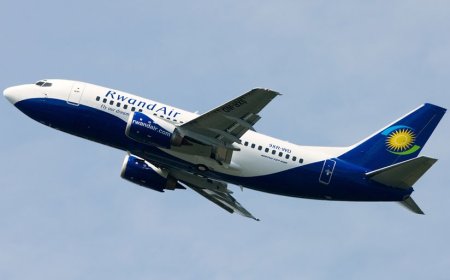
“When we reached Rusizi, an aircraft was sent to transport us because we were such a large group,” she said. “When we landed at Kanombe, senior military officers and generals were waiting for us.”
The return of Rwarakabije and the officers dealt a major blow to the FDLR. Musabyemungu said the group also brought back weapons and equipment from the movement’s headquarters, making it significantly harder for the organisation to regroup and rebuild its capabilities.
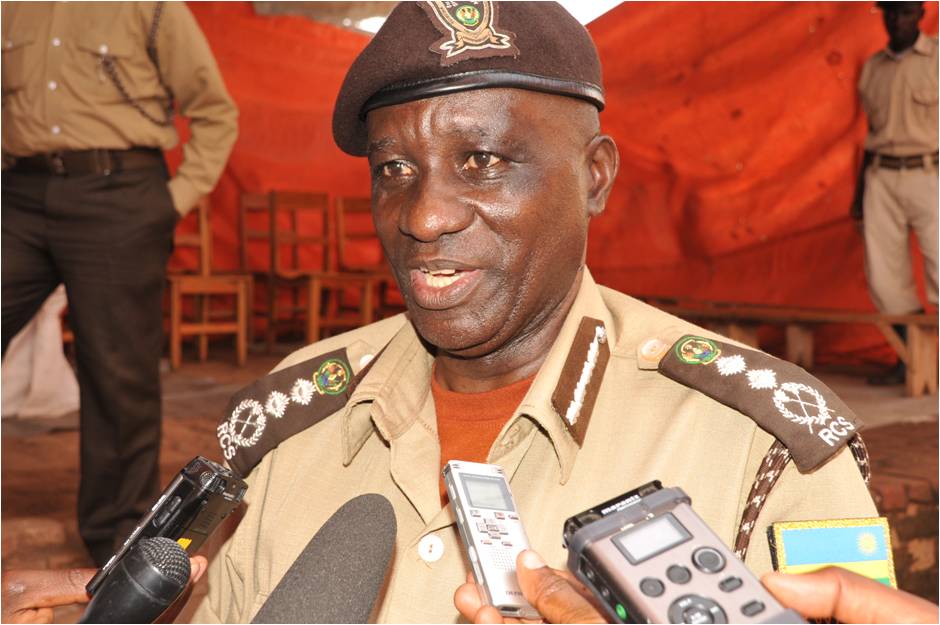
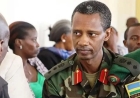
Following his repatriation, Rwarakabije joined the Rwanda Defence Forces and rose to the rank of Major General. After retiring from military service, he was appointed Commissioner General of the Rwanda Correctional Service.
Ngendahimana also joined the Rwanda Defence Forces and retired with the rank of Major General.
For her part, Musabyemungu continued her education, earning postgraduate qualifications from the former National University of Rwanda and later from Kigali Independent University (ULK). Between 2008 and 2013, she served as a member of Rwanda’s Parliament.