


































EAC ministers to meet over Ebola outbreak
Health ministers from East African Community (EAC) member states will hold an extraordinary virtual meeting on June 1 and 2 to discuss a coordinated...

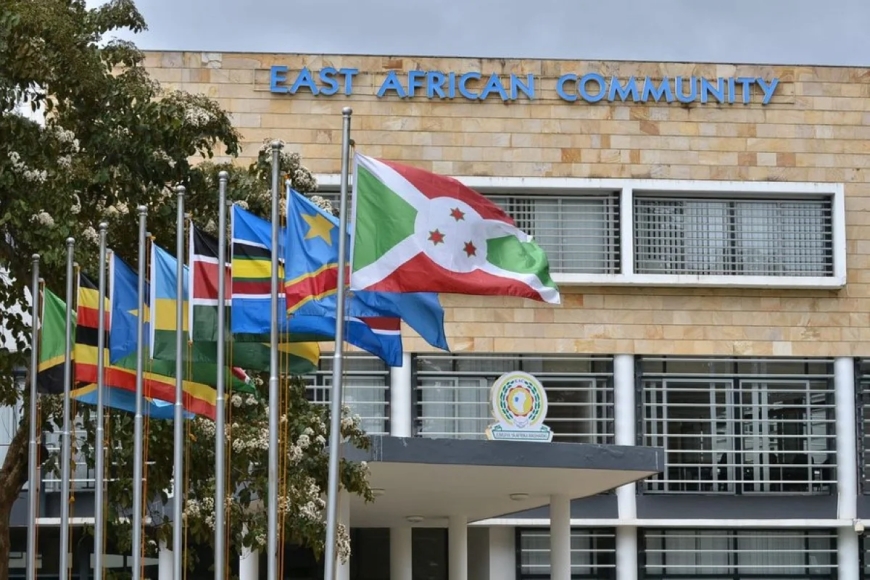
Health ministers from East African Community (EAC) member states will hold an extraordinary virtual meeting on June 1 and 2 to discuss a coordinated response to the ongoing Ebola outbreak in DR Congo and Uganda.
The meeting will focus on regional measures to contain the outbreak caused by the Bundibugyo strain of the Ebola virus, a rare strain for which there is currently no licensed vaccine or specific treatment.
According to the EAC Secretariat, the meeting is part of a series of urgent actions already undertaken, including emergency crisis meetings and consultations by technical working groups on disease control and the harmonisation of regulations for potential Ebola vaccines, therapeutics and diagnostics.
The outbreak was officially declared on May 15.
As of May 26, DR Congo had recorded 121 confirmed cases, including 17 deaths among confirmed cases. The country had also reported 1,077 suspected cases and 246 deaths among suspected cases.
Uganda had reported seven confirmed cases and one death as of May 25. The first two cases involved patients who had travelled from DR Congo and sought treatment in Uganda.
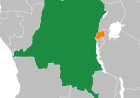
The outbreak has mainly affected Ituri, North Kivu and South Kivu provinces in eastern DR Congo.
Health authorities have identified Ituri Province as the epicentre of the outbreak.
EAC Secretary General Stephen Mbundi said the bloc is working closely with partner states and international organisations to strengthen preparedness and response capacities.
"We are mobilising regional mechanisms and working closely with partner states, Africa CDC, WHO and development partners to strengthen surveillance, laboratory diagnosis, infection prevention and control, risk communication, and rapid response capacities," Mbundi was quoted as saying in a statement released on Sunday, May 31.
He said the EAC remains committed to supporting partner states to prevent cross border transmission while protecting the health, social wellbeing and economic stability of East Africans.
As part of the response, the EAC is facilitating the deployment of nine mobile laboratories at strategic border points and high-risk locations across the region.
The laboratories will support rapid testing and surveillance of the Bundibugyo virus disease.
In Rwanda, the facilities will be deployed at Gisenyi and Gihundwe hospitals in the border districts of Rubavu and Rusizi, while other laboratories will be stationed in DR Congo, Kenya, South Sudan, Burundi, Tanzania and Uganda.
The Uganda Virus Research Institute, which serves as the EAC Regional Centre of Excellence on Virology, is also supporting laboratory diagnosis and specialised training.
The EAC said it is strengthening the capacity of health workers through its regional TEACH programme, which focuses on the management of high consequence infectious diseases, including Ebola.
Additional training is planned for emergency medical teams and health experts from countries considered at higher risk of cross border transmission.
The regional bloc is also activating its Rapidly Deployable Expert Pool, which comprises more than 180 emergency responders from across East Africa.
To support frontline health workers, the EAC has procured 500 sets of personal protective equipment for DR Congo and Uganda, with additional supplies expected for other partner states.
Meanwhile, discussions are underway to establish a regional mechanism for the accelerated approval and registration of Ebola vaccines, therapeutics and diagnostics.
The EAC has urged partner states to strengthen surveillance at points of entry, enhance cross border coordination, activate emergency preparedness plans and increase public awareness to help prevent further spread of the disease.