
























Washington’s Rwanda Travel Warning Seen as Strategic Pressure Linked to DRC Minerals
The US government has made what observers describe as a major geopolitical move by designating some of Rwanda’s top tourism destinations near the DR Congo...

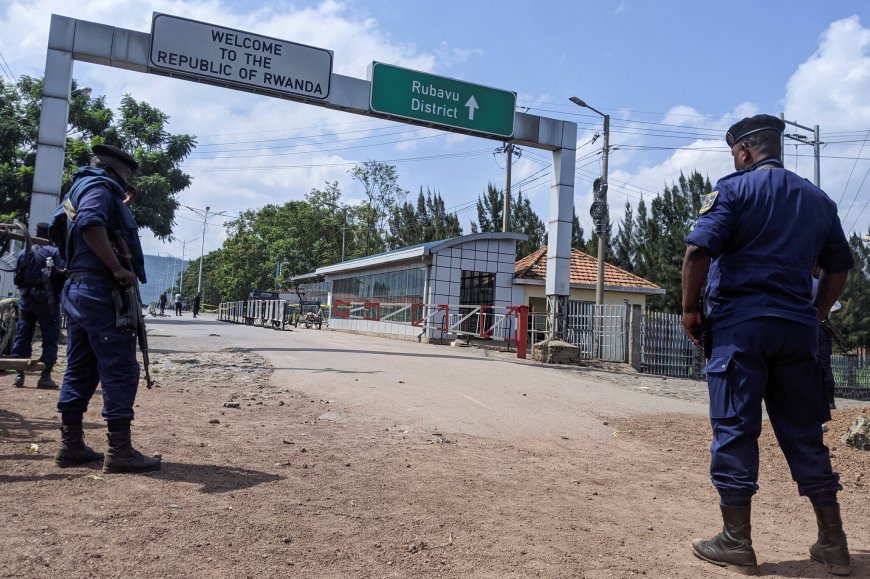
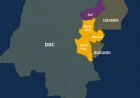
The US government has made what observers describe as a major geopolitical move by designating some of Rwanda’s top tourism destinations near the DR Congo border as high-risk zones for American travelers.
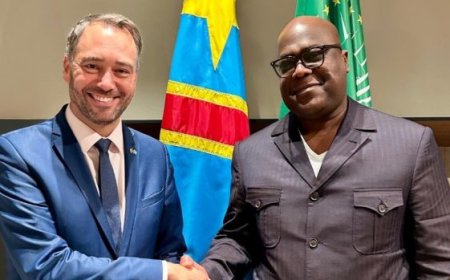
Regional analysts increasingly see the move as tied to Washington’s broader strategic calculations in Central Africa as the US deepens engagement with Kinshasa elites over the DRC’s lucrative critical minerals sector.
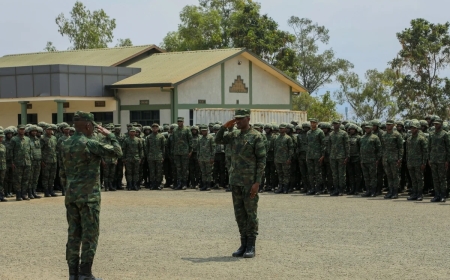
To many observers, this goes beyond travel safety. It is being viewed as a new shadow sanction on Rwanda following February measures targeting Rwanda’s army and senior officials.
The timing is notable as Rwanda’s tourism sector has been gaining strong momentum, especially among high-end Western visitors, including growing numbers of Americans drawn by Rwanda’s luxury eco-tourism, conservation branding, and reputation for safety and order.
Analysts say the advisory will likely be welcomed in Kinshasa political circles, where moves perceived as damaging Rwanda’s interests are increasingly treated as geopolitical wins.
By targeting areas linked to Rwanda’s premium tourism economy, the advisory risks discouraging American travelers at a time when Rwanda’s tourism revenues and global profile have been rising sharply.
However, observers also see the move as a double-edged sword for Washington. While recent US sanctions criticized Rwanda’s defensive posture near the border, the new advisory simultaneously strengthens Kigali’s argument that instability in eastern DRC poses real regional security threats.
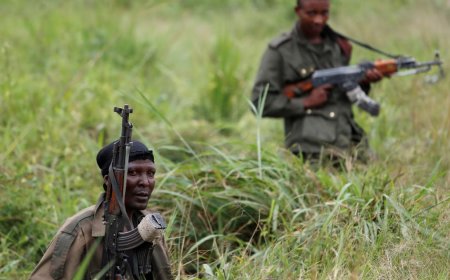
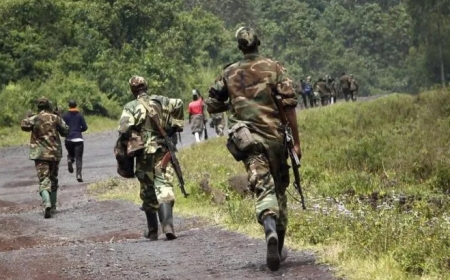
The advisory itself acknowledges that “multiple armed groups, individuals, and military forces operate in North and South Kivu provinces” and that violence could spill into Rwanda without warning.
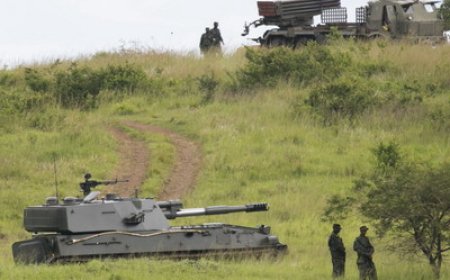
For Kigali, that wording reinforces the rationale behind Rwanda’s increased defensive measures along the border. Analysts argue it becomes difficult to criticize Rwanda’s security posture while simultaneously warning Americans about instability potentially crossing from eastern Congo into Rwanda. Observers expect Rwanda to counter the narrative aggressively through its flagship tourism branding campaigns, arguing the advisory is politically motivated and disconnected from realities on the ground.
Independent travel reviews consistently rank Rwanda among safest destinations in the World, with visitors often describing it as exceptionally secure, clean, and stable, including for solo travelers walking alone at night. Analysts even argue that the named tourism zones are not only highly secure for visitors but also for residents, in some cases appearing safer than major Western cities, including Washington DC itself, particularly when comparing levels of petty crime and violent crime against both tourists and the local population.
At the same time, security observers expect Rwanda to intensify defensive coordination along the border, including deeper cooperation with AFC/M23-controlled areas across the frontier.
Strategically, this could involve pushing conflict frontlines farther away from Rwanda to establish a wider security buffer zone between Rwanda and unstable areas of eastern DRC, effectively removing any basis for claims that "violence may spill into Rwanda without warning." More broadly, observers say US travel advisories have increasingly evolved into geopolitical tools rather than purely neutral safety assessments, with many travelers now relying more on independent reviews and firsthand experiences when choosing destinations.
For now, the advisory opens a new chapter in the geopolitical contest surrounding Rwanda, eastern DRC, regional security calculations, and the global race for influence over Africa’s strategic mineral corridors.