










Rwanda in Mozambique: Five Important Facts About Its Cabo Delgado Mission
Rwanda’s military mission in Mozambique has become one of the most consequential security deployments in Africa. Since Rwandan security forces (RSF)...

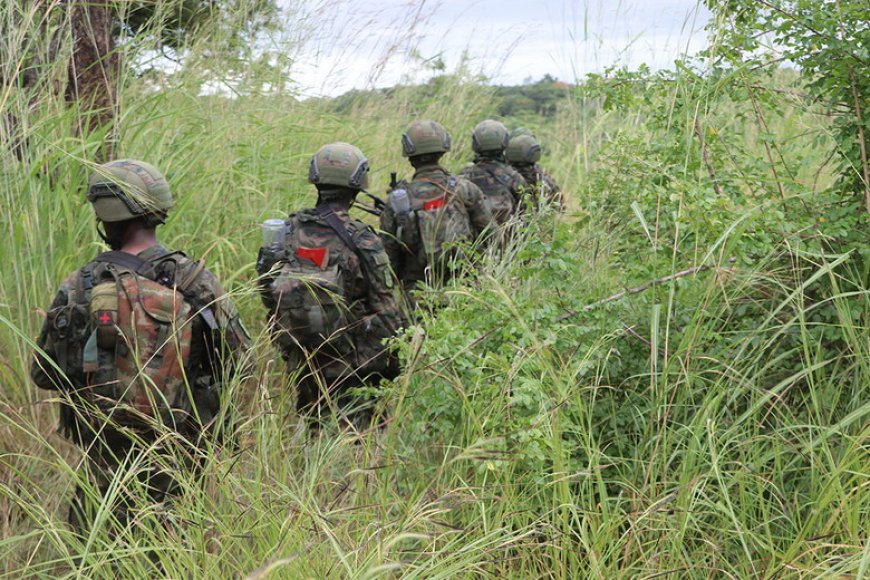
Rwanda’s military mission in Mozambique has become one of the most consequential security deployments in Africa. Since Rwandan security forces (RSF) entered Cabo Delgado in July 2021, at Maputo’s request, they have helped the host country’s armed forces reverse insurgent gains, restore control over key towns, reopen economic activity, and create conditions for displaced civilians to return home.
Nearly five years later, the mission faces a new test, not on the battlefield, but in politics, funding, and international burden-sharing.
Here are five key things you need to know:
1. RSF remains central to security in Cabo Delgado, but its future is uncertain
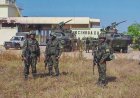
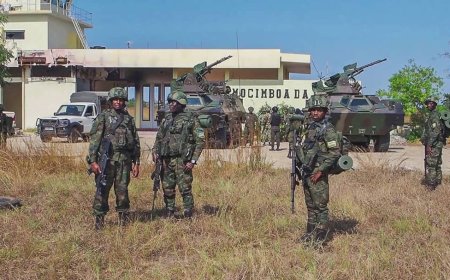
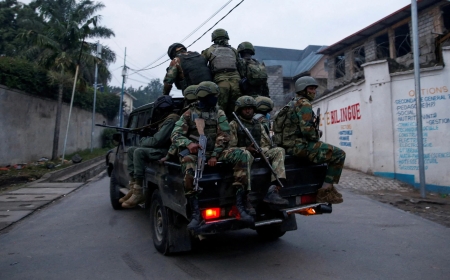
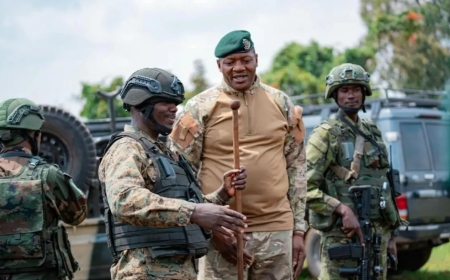
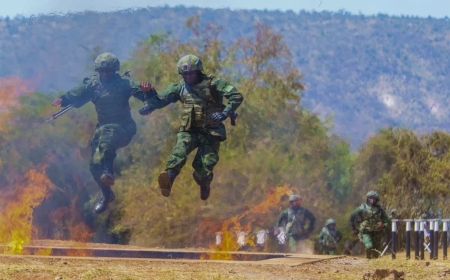
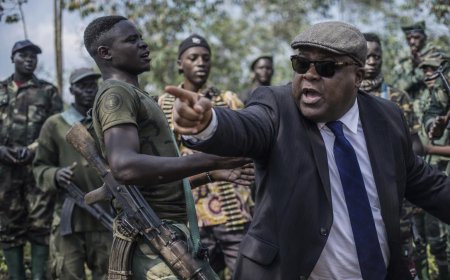
Rwanda still maintains a large force in northern Mozambique, with more than 5,000 troops deployed in areas affected by the Islamic State-linked insurgency. This presence has made RSF one of the most effective military forces operating in Cabo Delgado, alongside Mozambican security forces.
Rwandan and Mozambican troops were credited with retaking strategic towns such as Mocímboa da Praia and Palma, which had previously fallen under insurgent control. The operation also helped secure key routes, including the N380 corridor, and pushed militants away from major urban and coastal areas into more remote forest zones.
However, despite these battlefield gains, the mission’s future is no longer guaranteed. Kigali has signaled that it cannot continue carrying the burden alone if international support remains uncertain.

2. Rwanda warned it could withdraw
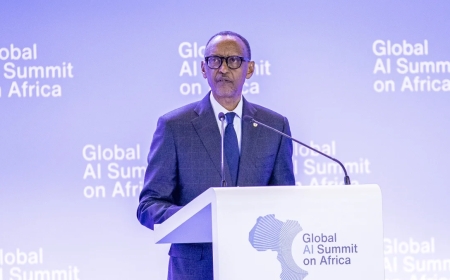
The most serious warning has come from Kigali itself. Government spokesperson Yolande Makolo said Rwanda could recommend ending the bilateral counterterrorism arrangement if the work of RSF is not sufficiently recognized and supported.
This was not a casual remark. It was a strategic signal to international partners that Rwanda’s presence in Cabo Delgado should not be taken for granted.
For Mozambique, the European Union, and major investors, the message is clear: Rwanda has leverage. Its forces have been holding one of the most fragile security lines in the region, and their withdrawal could create a dangerous vacuum.
3. Funding disputes now the mission’s biggest weakness
Operationally, the RSF mission has delivered results. Financially, however, it is under strain.
The European Union approved a €20 million support package in 2022 and an additional €20 million in 2024, mainly for equipment and strategic airlift.
However, according to Kigali, only about €20 million has actually been disbursed, while Rwanda estimates that the true cost of the mission is at least 10 times higher, excluding the human cost of lives lost.
This has created a difficult reality: the mission may be militarily effective but financially unsustainable without predictable support.
Rwanda has borne significant costs in logistics, equipment, transport, personnel, and battlefield risks. Reports have also pointed to funding delays and disputes affecting the long-term viability of the deployment.
The mission’s greatest threat may therefore not be insurgent firepower, but unstable financing.
4. RSF is also involved in stabilization and community support
Rwanda’s role in Cabo Delgado is not limited to combat operations. Its forces have also supported stabilization efforts in communities recovering from years of insurgent violence.
In areas where security improved, displaced civilians have returned, schools have reopened, businesses have resumed, and farmers have gone back to previously abandoned fields. More than 400,000 internally displaced people returned to their villages in northern Mozambique following successful joint operations by Rwandan and Mozambican forces.
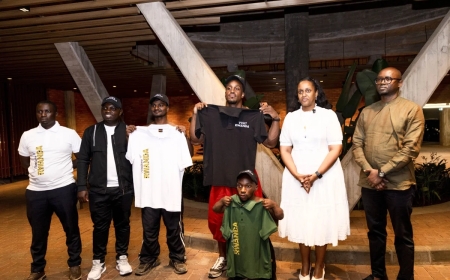
Rwandan troops have also been involved in civil-military initiatives, including community support projects such as rehabilitating schools in the Macomia district. These efforts form part of a broader “hearts and minds” strategy aimed at rebuilding trust between security forces and local communities.
This matters because military victory alone cannot stabilize Cabo Delgado. Civilians need confidence that security will endure, services will return, and normal life can resume.
5. The mission matters far beyond Mozambique
Cabo Delgado is not just a local conflict zone; it is a strategic corridor with regional and global significance.
Before the Rwandans arrived, the insurgency had killed thousands, displaced more than one million people, and threatened major energy investments, including TotalEnergies’ multi-billion-dollar LNG project.
Rwanda’s presence has been widely seen as essential to securing strategic areas around Palma, Mocímboa da Praia, and the Afungi energy zone.
A Rwandan withdrawal could weaken counterterrorism efforts, allow insurgents to regroup, endanger civilians who have returned home, and create fresh uncertainty for major energy projects involving companies such as TotalEnergies and ExxonMobil.
It could also affect the wider region. If insurgents regain operational space in Cabo Delgado, neighboring countries, including Tanzania, could face increased security pressure.
The central question is no longer whether Rwanda has made a difference in Cabo Delgado; it clearly has. The real question is whether Mozambique and its international partners are prepared to sustain the force that has helped hold the line.