






































Rwanda targets $5 billion data hub powered by future nuclear energy plans
Rwanda is planning a major expansion of its digital infrastructure, including a proposed $5 billion investment in data centers requiring around 100...

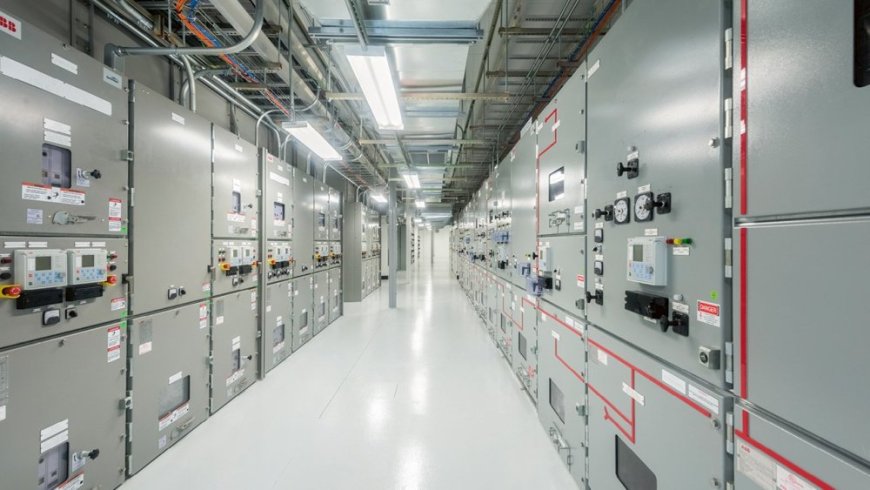
Officials say the success of this plan depends heavily on Rwanda’s long-term ambition to develop nuclear energy capacity of 600 megawatts by 2030 and up to 1.5 gigawatts by 2050, which is expected to provide the stable, high-volume electricity needed to support energy-intensive sectors such as data centers, mining, and advanced manufacturing.
Global demand for artificial intelligence, cloud computing, and digital services is rapidly increasing, placing unprecedented pressure on electricity systems worldwide. Experts estimate that by 2030, AI could contribute up to $15 trillion to the global economy, but this growth depends on reliable energy infrastructure.
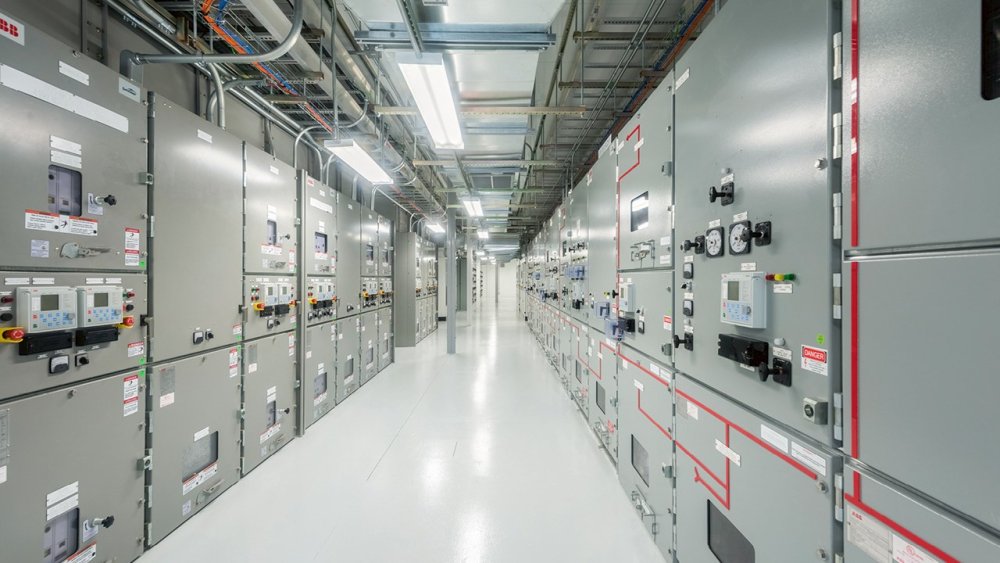
Data centers, which operate continuously to store and process information, are among the fastest-growing sources of electricity demand. In 2024, global data center consumption reached roughly 415 terawatt-hours and is projected to double by 2030.
Major technology companies including Google, Microsoft, Amazon, and Meta continue to expand infrastructure investments to meet this rising demand.
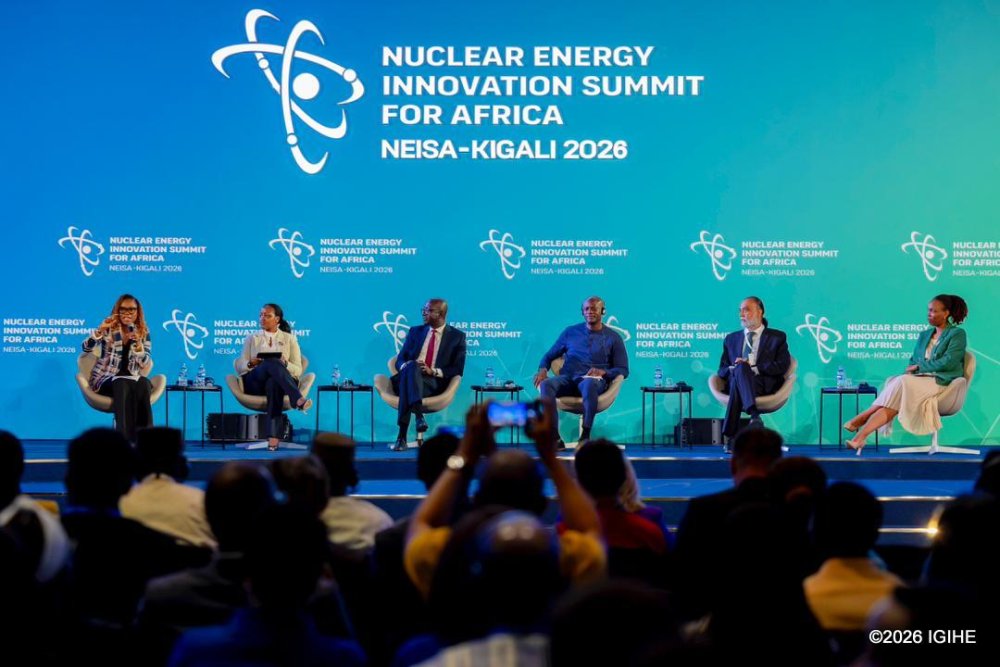
Industrial sectors competing for electricity
Beyond digital systems, heavy industries also place significant pressure on electricity supply. Mining and mineral processing operations require continuous and stable power, particularly in processes such as smelting, which can reach temperatures of up to 1,600°C.
Global firms such as Rio Tinto and Alcoa consume large amounts of electricity across their industrial operations, often at scales far beyond the current generation capacity of many developing economies.
Rwanda currently produces electricity in the range of hundreds of megawatts, highlighting a significant gap between existing supply and the requirements of large-scale industrial and digital expansion.
Nuclear energy positioned as long-term solution
Nuclear power is being considered as a key solution to meet this growing demand due to its ability to provide continuous, high-output, low-emission electricity.
Unlike intermittent renewable sources, nuclear plants deliver stable baseload power suitable for industries that cannot afford interruptions, such as data centers and mineral processing facilities.
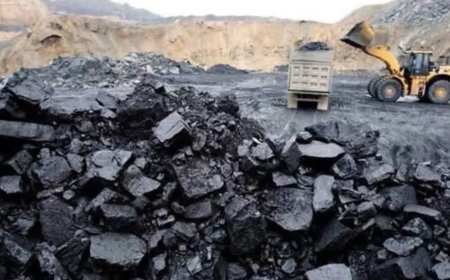
One kilogram of uranium, for example, can generate energy equivalent to thousands of tons of coal, without producing greenhouse gas emissions during operation.
Senior officials, including Minister of ICT and Innovation Paula Ingabire and Rwanda Mines, Petroleum and Gas Board CEO Alice Uwase, have emphasized that Rwanda’s digital and mining ambitions are closely tied to the availability of stable electricity.
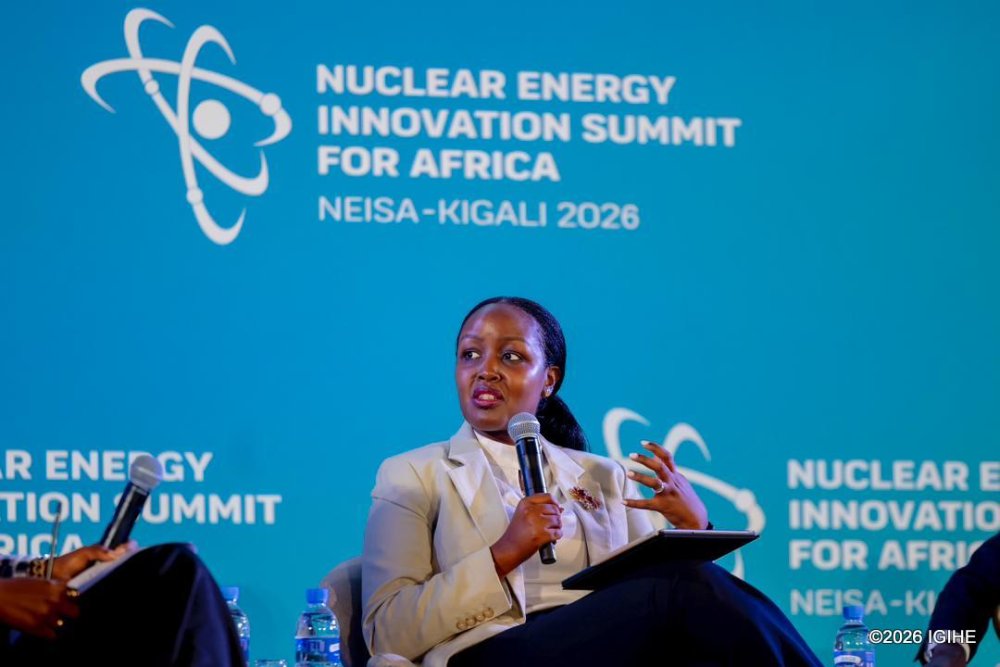
Officials note that nuclear projects require substantial upfront investment and long payback periods, making clear financing models and guaranteed demand essential for viability.
According to Ingabire, nuclear energy becomes more attractive to investors when 60%–70% of generated electricity is secured through long-term contracts with large industrial users rather than reliance on government off-take alone.
Mining and telecommunications expansion driving demand
Rwanda’s mining sector, which employs more than 90,000 people, is increasingly focused on value-added processing of minerals such as gold, coltan, and tin. However, limited electricity supply has constrained further industrial expansion, forcing some operations to rely on costly backup generators.
At the same time, telecommunications infrastructure is expanding rapidly. By the end of 2025, Rwanda had deployed 1,781 mobile network towers and nearly 25,000 kilometers of fiber-optic infrastructure.
Government projections indicate that more than 2,500 towers will be required to achieve full national coverage, further increasing electricity demand across the sector.

Officials argue that combining reliable nuclear energy with large-scale data infrastructure could position Rwanda as a regional hub for digital services. Even a 5-megawatt data center requires tens of millions of kilowatt-hours annually, highlighting the scale of energy required to support the sector.
Global technology firms such as Amazon, Google, and others continue to prioritize locations with stable, clean, and uninterrupted electricity supply, factors Rwanda aims to strengthen through its long-term energy strategy.