





After Washington, Kinshasa Turns to EU for Sanctions Against RDF
Officials from the Democratic Republic of Congo are continuing diplomatic efforts to persuade the European Union to impose sanctions on the Rwanda Defence...

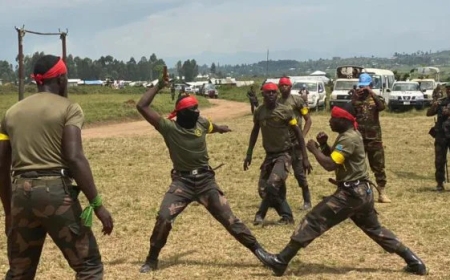
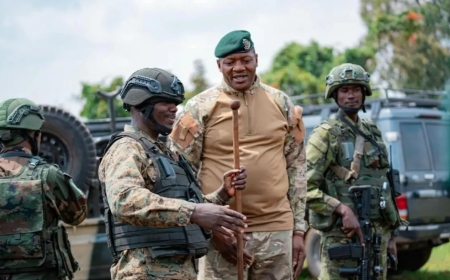
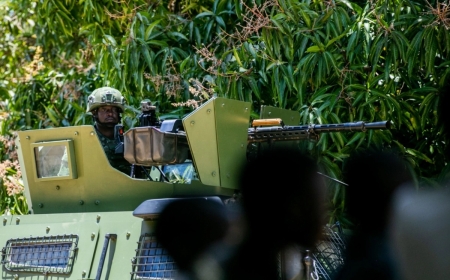
Officials from the Democratic Republic of Congo are continuing diplomatic efforts to persuade the European Union to impose sanctions on the Rwanda Defence Force (RDF), following recent measures taken by the United States against Rwanda over the conflict in eastern Congo.
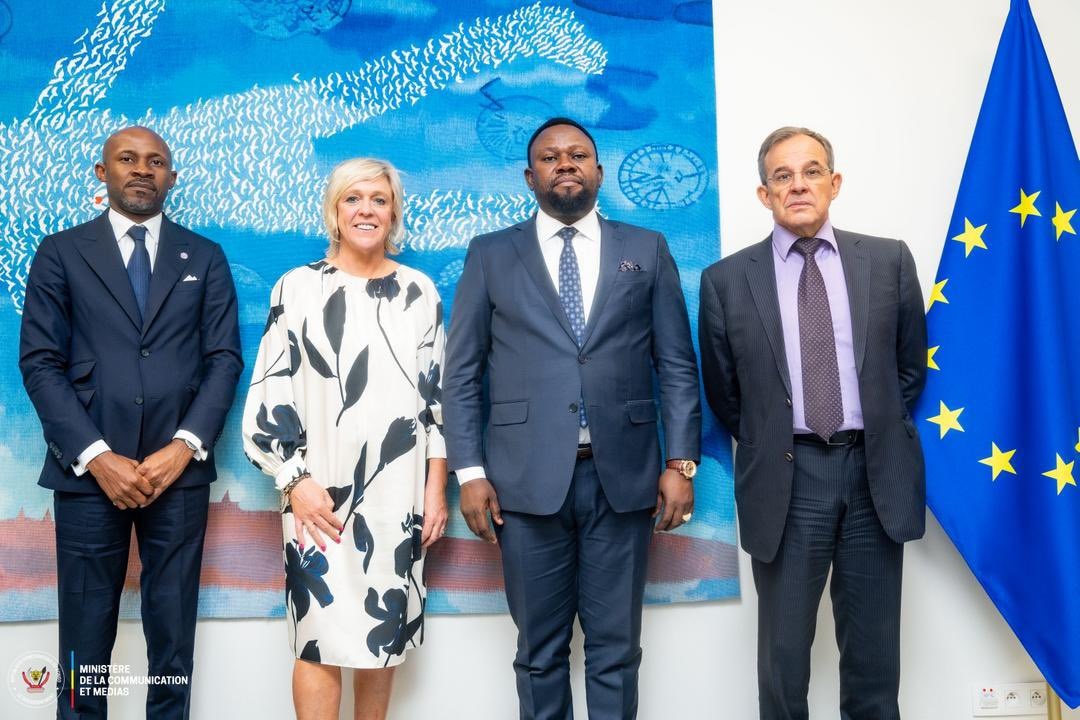
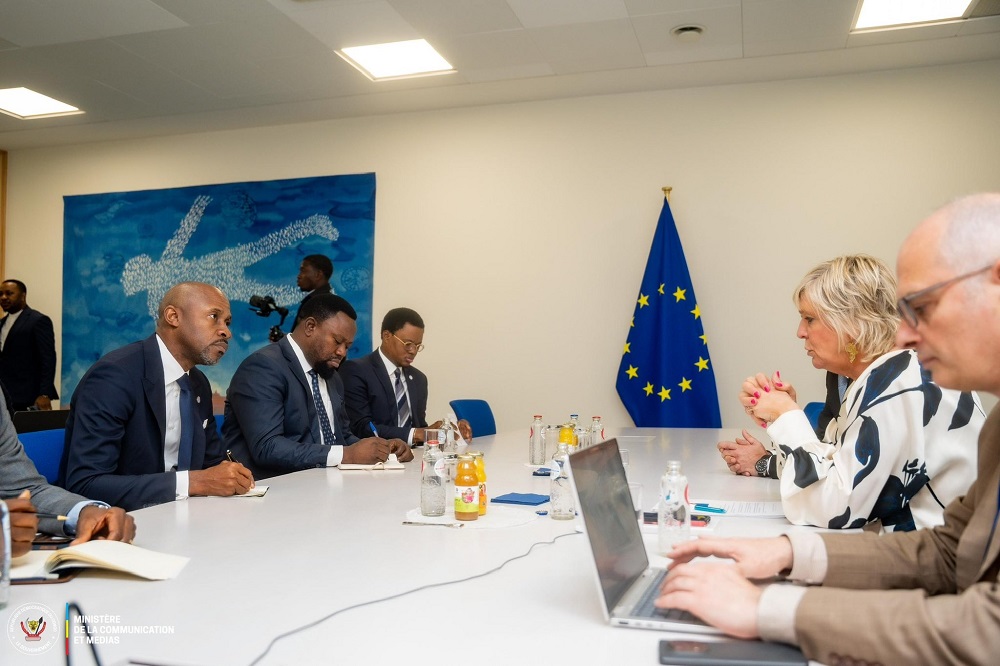
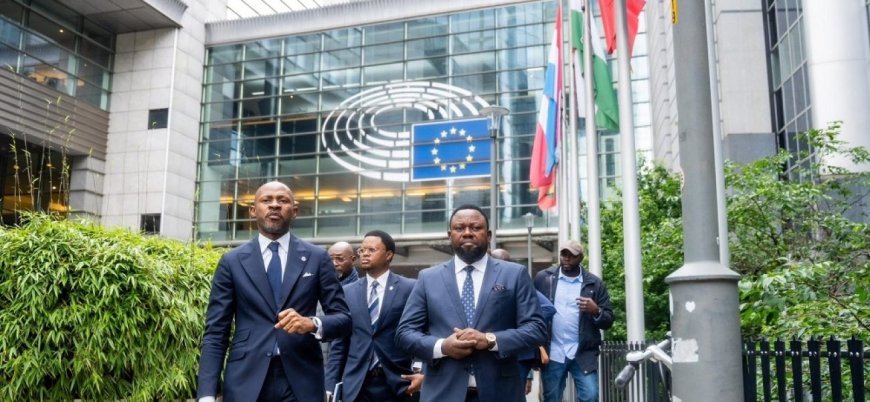
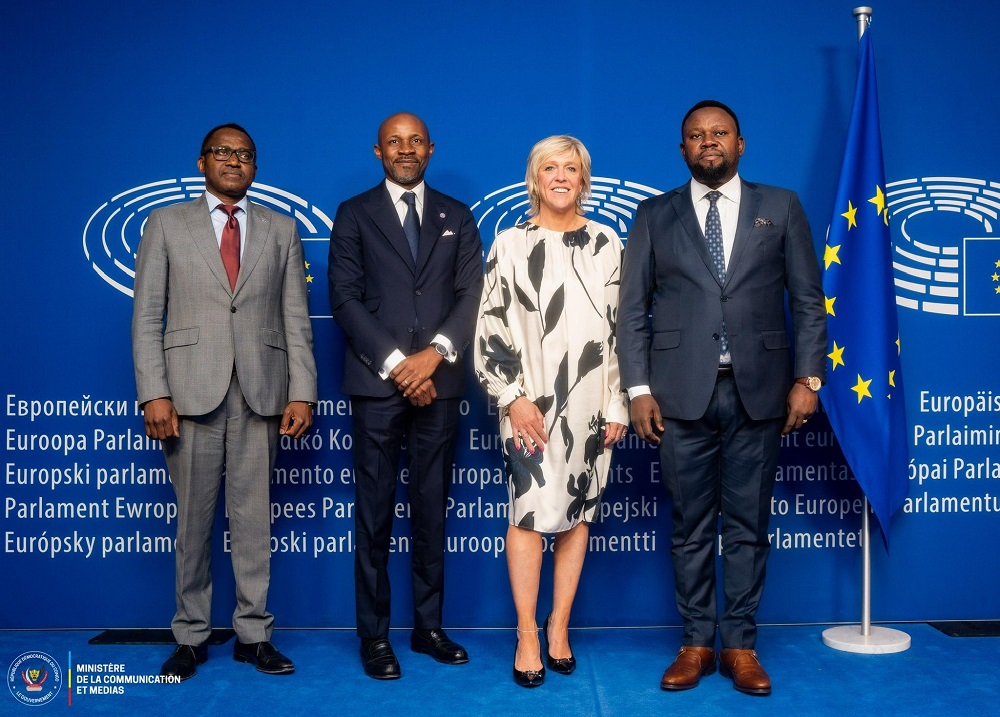
On Wednesday, DRC Foreign Affairs Minister Patrick Muyaya visited Brussels, where he held meetings with several European Union officials at the headquarters of the European Parliament. He was accompanied by activists and lobbyists known for their strong criticism of Rwanda.
The discussions brought together Minister Muyaya and Hilde Vautmans, President of the Joint Parliamentary Assembly between the European Union and African countries, along with other officials. Talks focused on the progress of peace efforts and the human rights situation in eastern Congo.
In a statement posted on X on Thursday, Muyaya urged the European Union to follow Washington’s lead.
“The European Union must follow the example of the United States by imposing sanctions on the Rwanda Defence Force and its accomplices involved in crimes being committed against our citizens,” he wrote.
The Congolese minister also called on the EU to play a stronger role in supporting judicial accountability efforts and monitoring the trade of minerals allegedly purchased illegally by European companies.
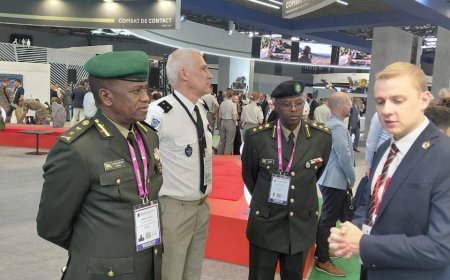
Muyaya’s appeal comes after the United States imposed sanctions on March 2 against the RDF and several senior Rwandan military officials, including Chief of Defence Staff Gen. Mubarakh Muganga, Land Forces Commander Maj. Gen. Vincent Nyakarundi, Fifth Division Commander Maj. Gen. Ruki Karusisi, and Special Forces Commander Brig. Gen. Gashugi Stanislas.
Washington accused the RDF and its commanders of “supporting, training and fighting alongside the M23 armed group” in eastern Congo.
In response to the sanctions, the Government of Rwanda rejected the accusations and criticized the measures, saying they unfairly targeted “one side in the peace process,” distorted the facts, and misrepresented the complex nature of the conflict in eastern Democratic Republic of Congo.