















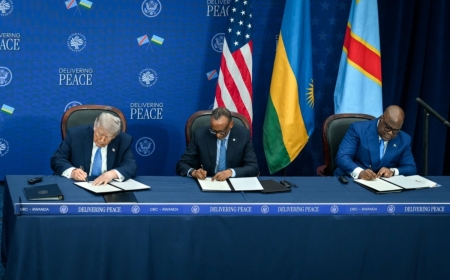

South Africa eyes collaboration with Rwanda on nuclear energy development
Rwanda’s growing interest in nuclear energy has drawn strategic attention from South Africa, with the head of the country’s state-owned nuclear...

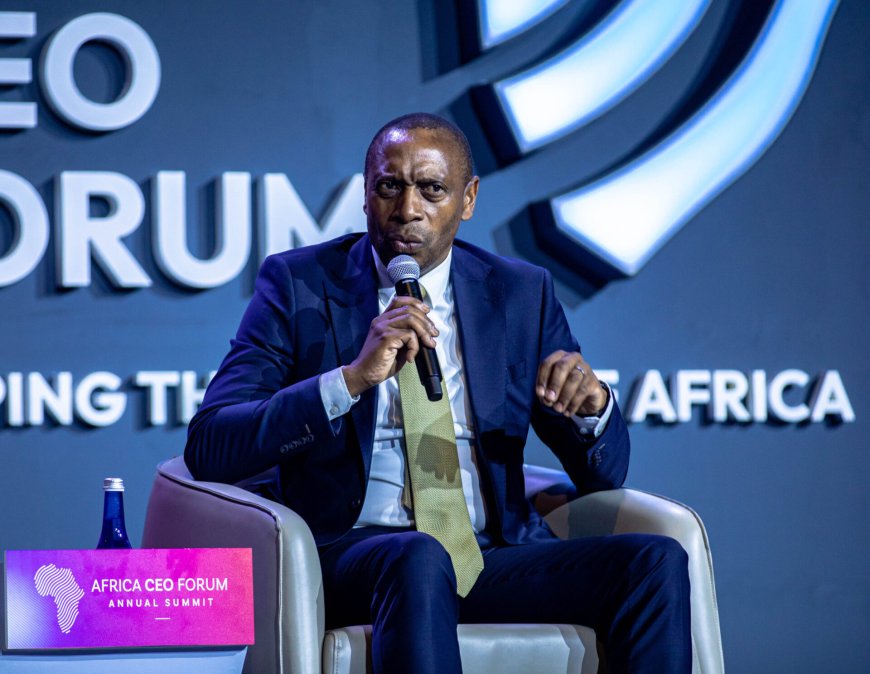
Rwanda’s growing interest in nuclear energy has drawn strategic attention from South Africa, with the head of the country’s state-owned nuclear corporation stating that Pretoria is keen to work with Kigali as it explores long-term solutions to its energy needs and industrial ambitions.
Speaking during high-level discussions on Africa’s economic future, Loyiso Tyabashe, the CEO of the South African Nuclear Energy Corporation (Necsa), praised Rwanda as one of three African countries showing a serious intent to develop nuclear energy capacity.
“I can see Egypt is following, and Rwanda has also started. They are hot on the heels of the other nations that have declared their ambition to run nuclear power plants, and we are definitely ready to work with them,” Tyabashe said.
Rwanda is among a small but growing group of African countries looking at nuclear technology not only as a future energy source, but also as a strategic tool for industrial transformation, healthcare advancement, and scientific innovation.
Earlier this year, the International Atomic Energy Agency (IAEA) affirmed that the country is progressing well as it prepares for the potential introduction of nuclear power in the 2030s.
During the first phase of an Integrated Nuclear Infrastructure Review (INIR) mission in March, IAEA Director Aline Des Cloizeaux commended Rwanda’s interest in deploying Small Modular Reactors (SMRs) with a capacity of at least 110 megawatts.
According to the IAEA, a 10-to-15-year development timeline is typical for large plants, but SMRs could shorten that timeframe, provided there is adequate technical expertise and adherence to international best practices.
This potential new phase of cooperation with South Africa comes at a time when Rwanda is actively seeking reliable, scalable energy solutions to sustain its expanding economy, marking a resounding milestone for the country.
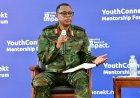
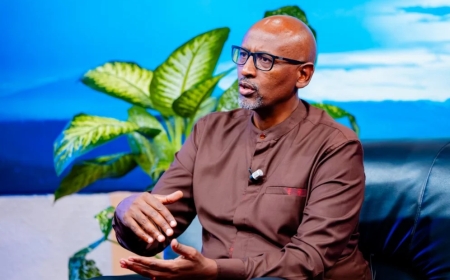
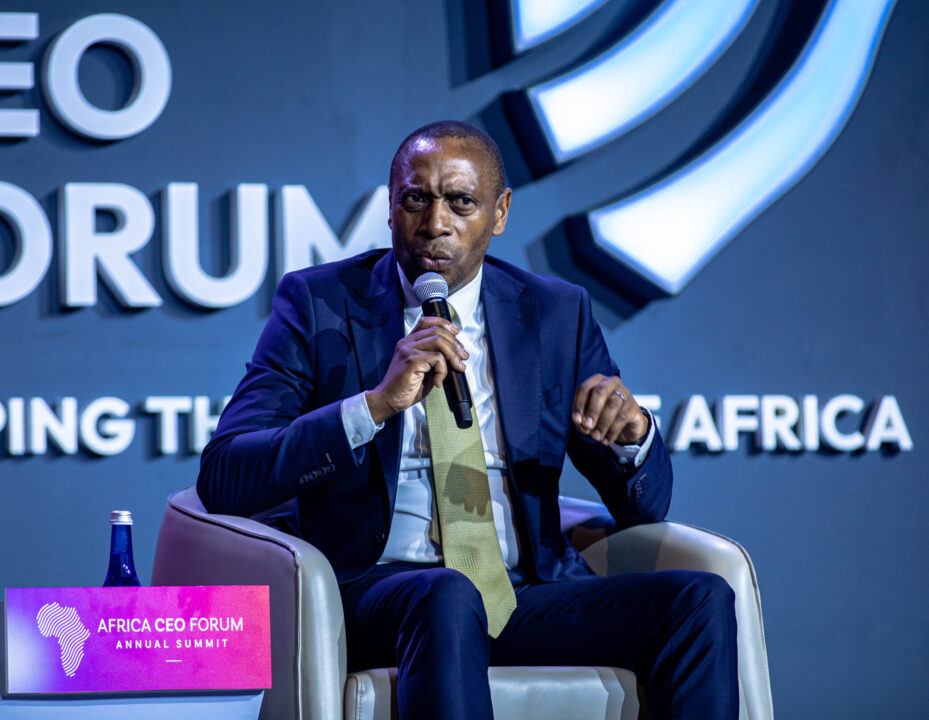 Loyiso Tyabashe, the CEO of South African Nuclear Energy Corporation (Necsa) speaking at the forum.
Nuclear Energy as a Development Lever
Tyabashe emphasized that Africa’s industrial future will largely depend on whether countries can secure dependable power systems capable of supporting manufacturing, digital services, and modern infrastructure. He stressed that Africa’s primary challenge is not merely transitioning to green energy, but overcoming the fundamental shortage of electricity required for large-scale industrialization.
“There is no country that has developed without a reliable energy source. Africa’s biggest challenge is not environmental transition alone; it is the shortage of power,” he said.
With more than 600 million people across the continent still lacking access to electricity, energy security remains one of Africa’s most urgent development constraints.
South Africa’s nuclear institution, Necsa, already demonstrates how nuclear technology extends far beyond electricity generation. The corporation produces medical isotopes used globally in cancer detection and treatment, while also supporting agricultural research, including the development of drought-resistant crops and advanced disease control solutions.
Tyabashe suggested that these non-power applications could heavily align with Rwanda’s broader development priorities, particularly in healthcare innovation and agricultural productivity.
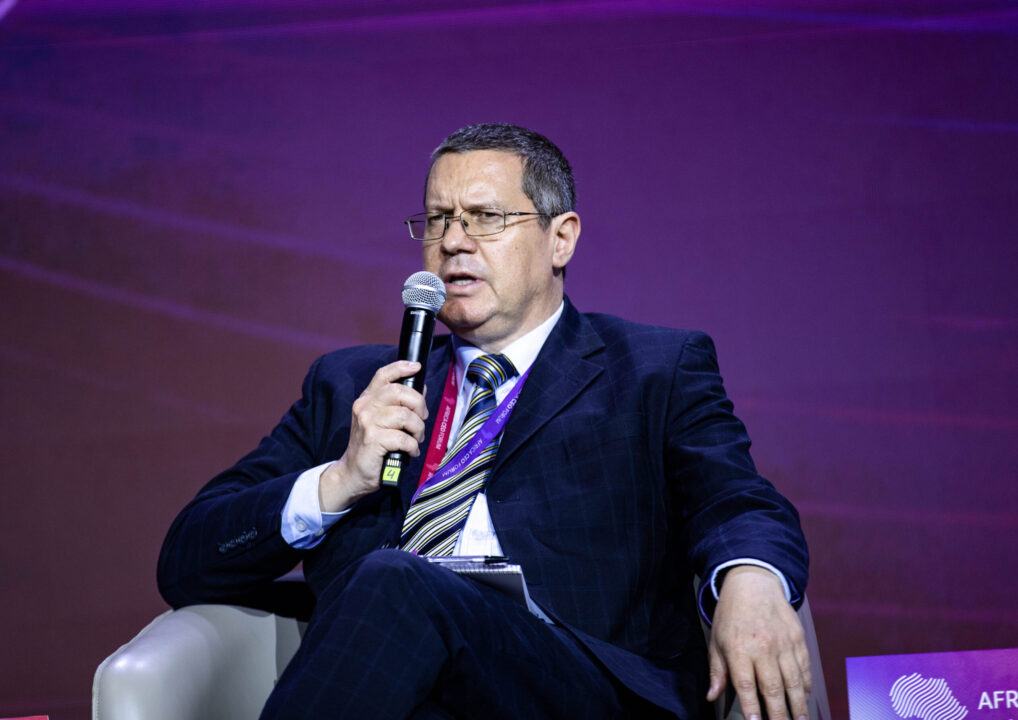 Mohammed Akooje, the Chief Executive Officer and Managing Director of DP World’s Africa region.
Rwanda’s Energy Direction and Africa’s Infrastructure Gaps
Rwanda’s interest in nuclear energy comes as the country continues to diversify its energy mix—which currently includes hydropower, solar, and regional imports—while facing rising demand driven by industrialization and urban expansion. Policy recommendations increasingly reflect the need for long-term baseload energy options that can sustain economic growth over decades, positioning nuclear energy as a strategic future consideration rather than an immediate rollout.
Beyond energy, structural constraints in logistics and trade remain key barriers to regional scale, as Mohammed Akoojee, the Chief Executive Officer and Managing Director of DP World’s Africa region, explained.
“When you talk about scale, you have to focus on the entire ecosystem. Ports, rail, road networks, and border systems must all function together if we are to unlock efficiency,” he said.
Akoojee pointed to Rwanda’s improved logistics systems, where integrated platforms have significantly reduced truck turnaround times, as evidence that meaningful reform is possible when infrastructure and systems are well-coordinated.
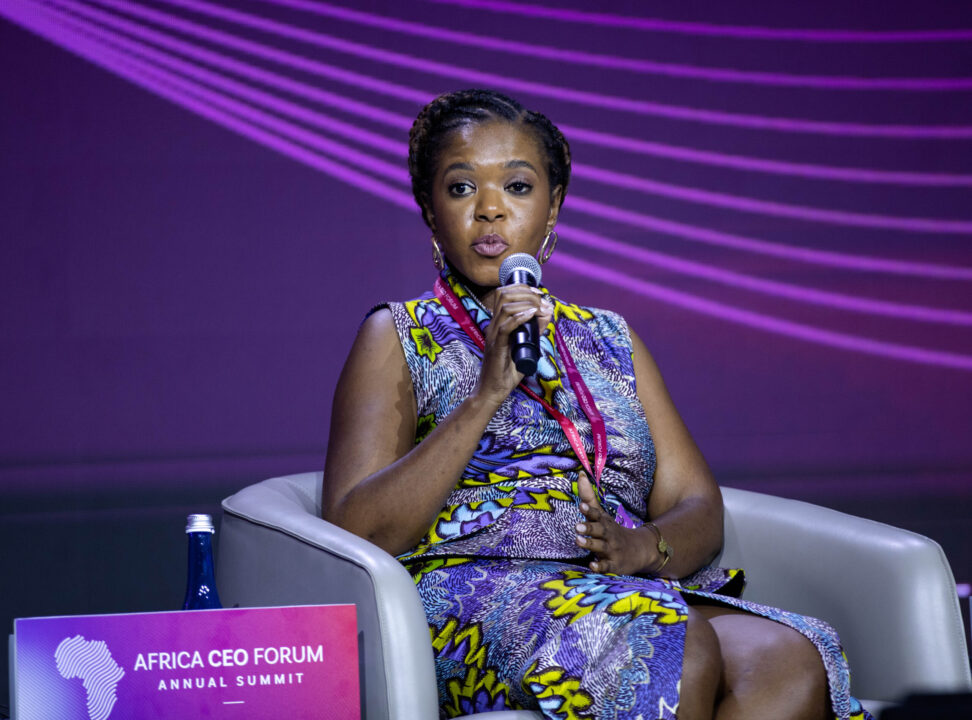 Luna Nevhutalu, the Head of Global Market Institutional Sales at South Africa’s Rand Merchant Bank notes that there is growing appetite for investment for African infrastructure, energy and long-term capital markets.
Investment Confidence and Continental Cooperation
Luna Nevhutalu, the Head of Global Market Institutional Sales at South Africa’s Rand Merchant Bank, noted that there is a growing appetite for investment in African infrastructure, energy, and long-term capital markets. She added that investor confidence is being driven by a strong belief in Africa’s long-term growth potential, even as global economic uncertainty persists.
“Perception remains a structural challenge. African economies, including South Africa, continue to face global narratives that often understate their industrial capacity, financial depth, and infrastructure strength,” Nevhutalu said.
South Africa ranks as the continent’s most diversified economy, with a GDP valued at over $400 billion, backed by an advanced financial system, extensive transport networks, and deep regional integration. By collaborating with Rwanda, South Africa is positioning itself not as a competitor in Africa’s nuclear ambitions, but as a strategic partner ready to share technical expertise, build capacity, and support an emerging program.
This engagement represents a vital opportunity for Rwanda to tap into decades of established nuclear experience at a formative stage of its national energy planning. As Africa continues to grapple with energy shortages and infrastructure constraints, the emerging alignment between Kigali and Pretoria signals a significant shift toward deeper technical cooperation in one of the continent’s most critical development sectors.
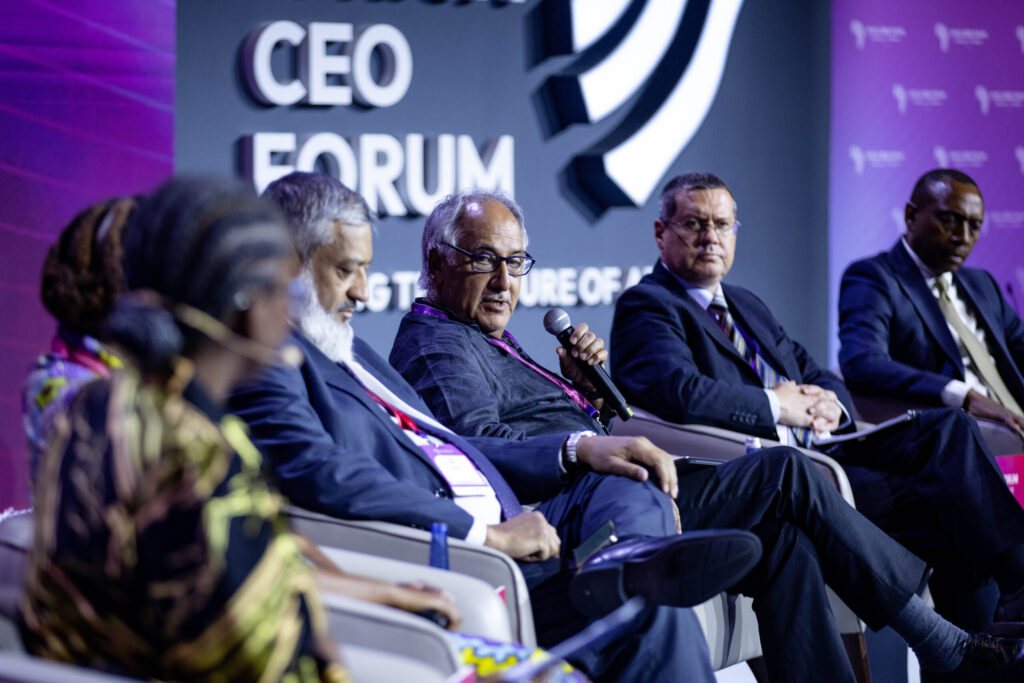 Panelists during a session to explore partnership opportunities between South Africa and the rest of the continent.