







































Kigali moves into defensive overdrive after FARDC drone attack kills UN worker in Goma

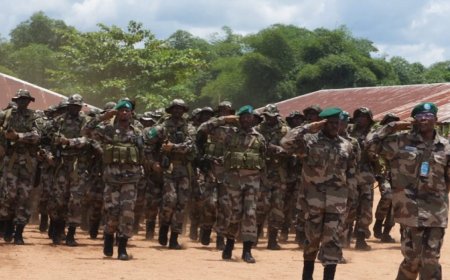
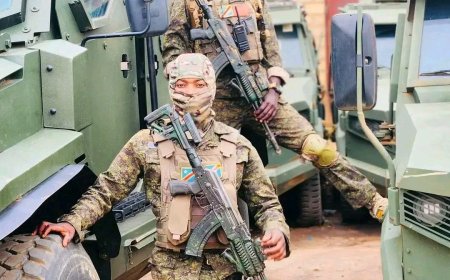
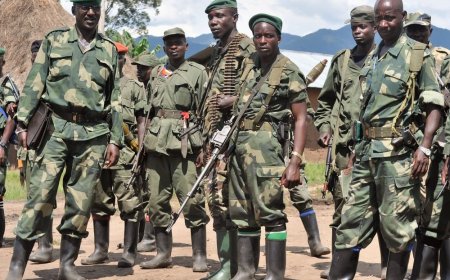
Despite ongoing diplomatic engagements in Washington that appear increasingly detached from the realities on the ground, security dynamics along the Rwanda–Democratic Republic of the Congo frontier are moving in the opposite direction. At the core of Kigali’s concern remains the persistent threat posed by the FDLR, a militia long viewed by Rwanda as an existential danger, now reportedly embedded within elements of the Congolese armed forces, FARDC.
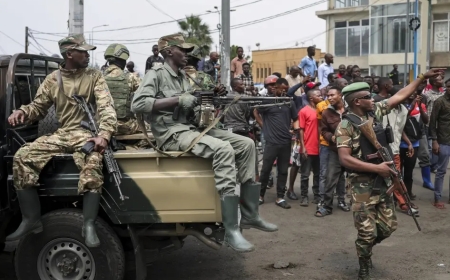
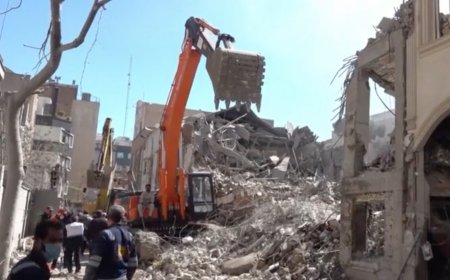
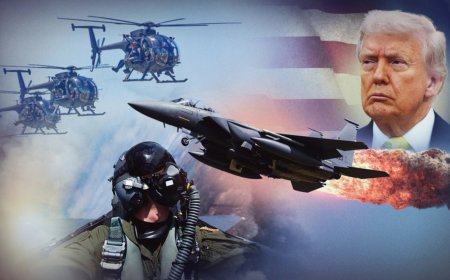
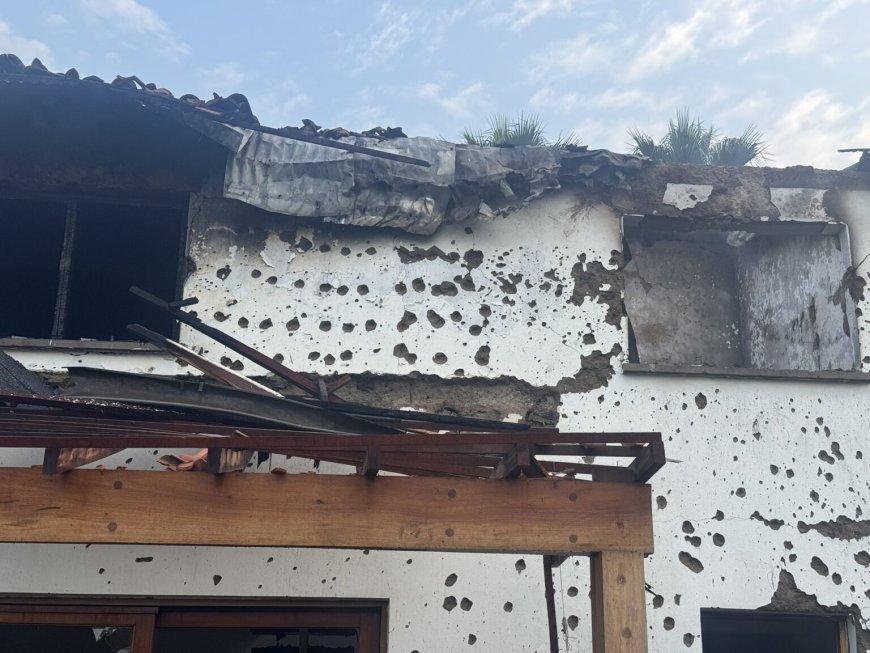
This integration has fundamentally reshaped Rwanda’s threat perception, blurring the line between state and non-state actors. Recent escalations have only reinforced these fears. Drone strikes attributed to FARDC reportedly hit areas in Goma, within close proximity to Gisenyi, among the victims, a UNICEF worker, effectively bringing advanced warfare capabilities to Rwanda’s doorstep.
The introduction of drone technology into the conflict marked a significant shift, reducing reaction times and expanding the operational reach of hostile forces. Against this backdrop, diplomatic assurances emerging from Washington, D.C. have struggled to gain traction within Rwanda’s security establishment.
Reports suggest that Rwandan political figures have been unable to persuade military leadership to scale back defensive deployments. On the contrary, senior commanders in Kigali are said to have concluded that existing measures are no longer sufficient.
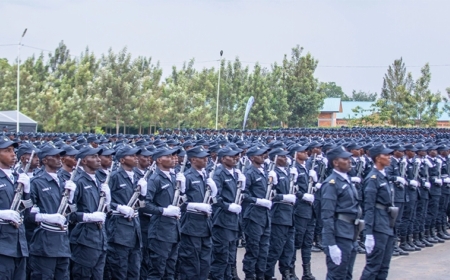
In what signals a notable recalibration of civil-military dynamics, the Rwanda Defence Force is believed to have been granted greater operational autonomy, enabling faster, independent decision-making in response to evolving threats. This shift underscores the urgency with which Kigali views the modern situations including this one.
Looking ahead, Rwanda is expected to implement a coordinated expansion of its defensive architecture. This may include enhanced air defense systems, forward positioning, and strategic depth adjustments designed to push potential threats, particularly drone capabilities, beyond effective striking range.