

























Turkey to build Weapons and Drone manufacturing plant in Rwanda

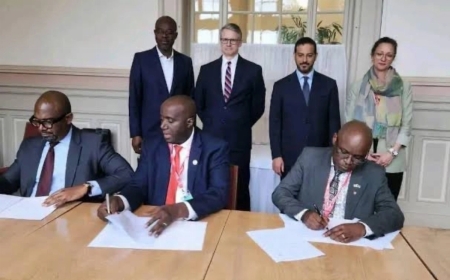
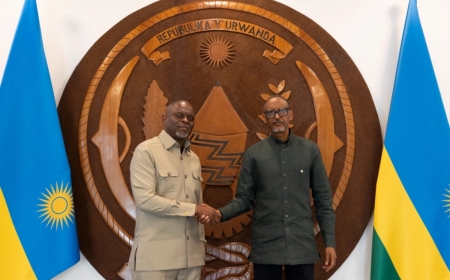
Rwanda has finalized a landmark defence cooperation agreement with Turkey, a deal expected to significantly boost the country’s capacity to manufacture military equipment and reduce reliance on foreign suppliers. The agreement, signed on January 23, 2025, at the Presidential Complex in Ankara following a bilateral meeting between President Paul Kagame and Turkish President Recep Tayyip Erdoğan, marks one of Kigali’s most ambitious steps toward building a modern, self-sustaining military industry.
According to details released by Africa Security Analysis (ASA), the partnership lays the foundation for Rwanda to establish a state-of-the-art defence production ecosystem—ranging from unmanned aerial vehicles (UAVs) to small arms and allied systems. The accord also includes extensive technology transfer, capacity building, and infrastructural support aimed at aligning Rwanda’s military command, communication, surveillance, and intelligence capabilities with modern NATO-level standards.
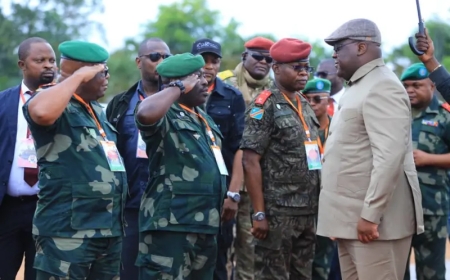
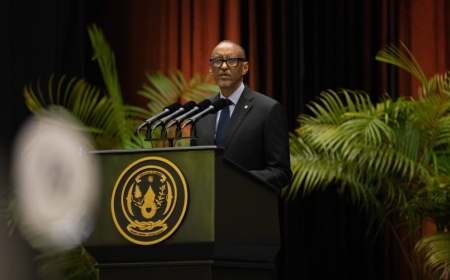
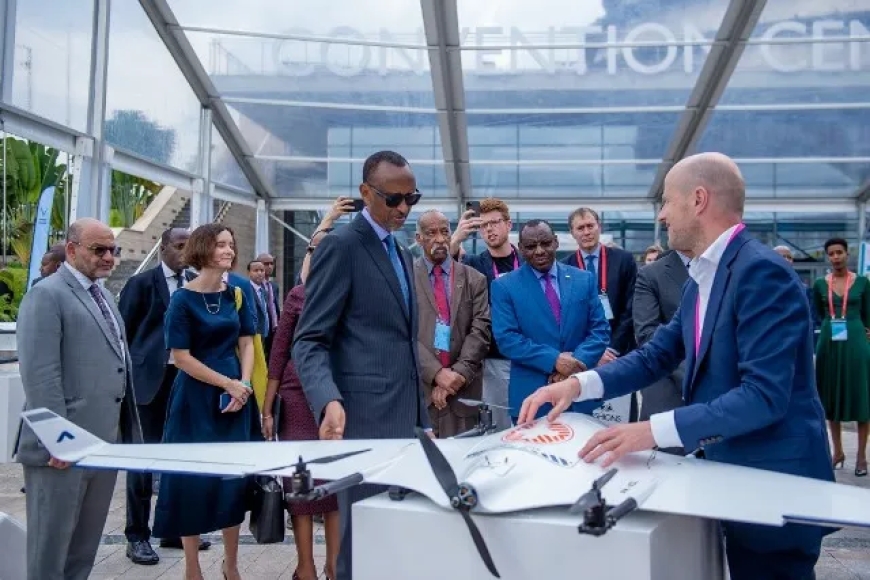
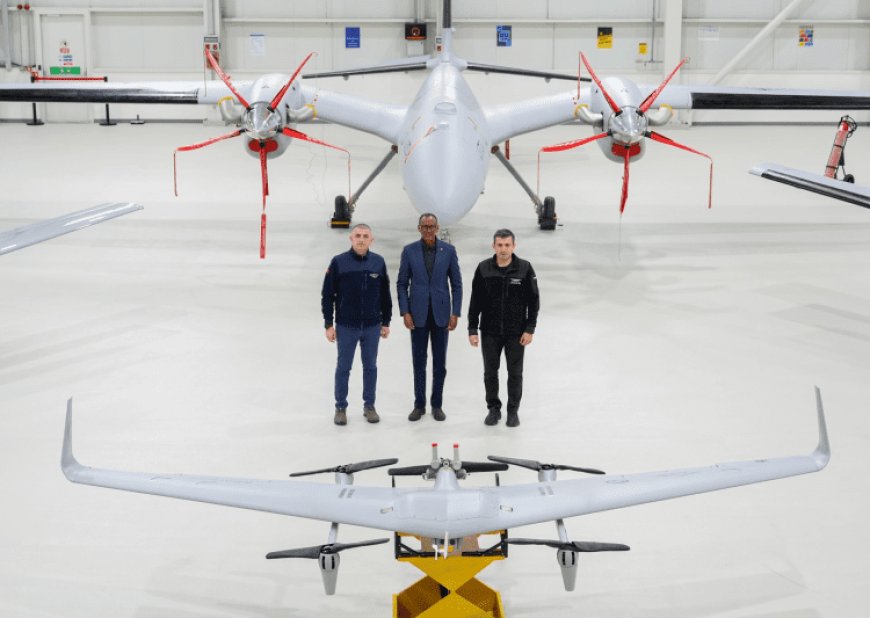 Rwandan President Paul Kagame to the Özdemir Bayraktar National Technology Center in Istanbul, Turkey, in January 2025
A New Era: Drone Assembly and Weapon Production in Kigali
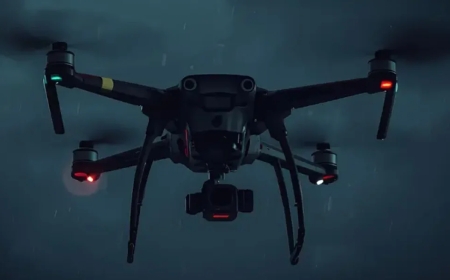
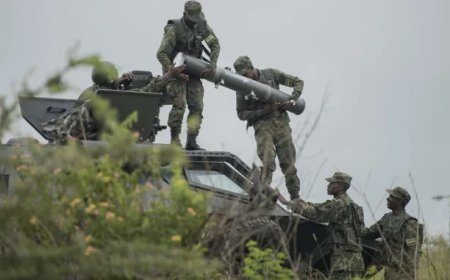
Central to the agreement is the construction of a drone assembly plant in Kigali, where airframes, electronics, and related systems will be produced locally. The deal further outlines collaborative production lines for light weapons and complementary technologies, supported by a joint Rwanda–Turkey certification and testing center.
The shift positions Rwanda not only as a consumer of high-tech defence systems but also as an emerging regional producer, with capacity to export or partner with neighbouring countries in defence innovation.
Technology Transfer at the Core
Turkey committed to a broad package of technological support. This includes training Rwandan engineers and technicians, transferring expertise on drone airframe construction, electronic systems, and long-term maintenance. The cooperation is expected to give Rwanda greater autonomy in maintaining and upgrading its equipment without depending heavily on external suppliers.
This step is seen as crucial for building a sustainable defence industry in a volatile global environment where export controls—especially for weapon systems—are tightening across major power blocs.
Boost for Rwanda’s Industrial and Human Capital Growth
Beyond military advantage, the initiative is expected to accelerate Rwanda’s high-tech industrial development. The programme is tailored to create advanced manufacturing jobs, strengthen STEM( Science, Technology, Engineering, and Mathematics)-focused academic programmes, and encourage investments in metallurgy, electronics, robotics, and software engineering.
Experts note that the spillover effects could ultimately reach civilian aerospace projects and Rwanda’s growing robotics and automation sectors.
Strategic Payoff: Reducing Reliance on Foreign Arms
Producing defence equipment locally will give Rwanda more resilience during crises, making procurement faster and less vulnerable to political pressure or global supply chain disruptions. It also allows the Rwanda Defence Force (RDF) to deploy equipment specifically adapted to the country’s terrain, climate, and regional security needs.
Enhanced domestic production will also improve Rwanda’s surveillance, intelligence, and reconnaissance (ISR) capabilities—especially using UAV fleets built and maintained at home.
Strengthening Rwanda–Turkey Relations
The agreement underscores deepening political and security ties between Kigali and Ankara. For Turkey, it expands strategic influence in East and Central Africa, while for Rwanda it broadens partnerships beyond its traditional allies.
The two nations also signed additional cooperation accords covering civil aviation security, communication and media collaboration (including radio and TV), and broader security cooperation.
A Transformative Step for East Africa’s Defence Industry
Analysts view the Rwanda–Turkey manufacturing agreement as more than a procurement deal; it is a long-term industrial partnership that positions Rwanda as a rising actor in Africa’s defence innovation landscape. With enhanced technological capacity, modernized military systems, and a skilled workforce, Kigali is anticipated to play an expanding role in regional security operations and peacekeeping missions.