




























Gulf Nations Consider Withdrawing U.S. Investments Abid Rising War Costs
Rising costs from the US-Israeli war on Iran are forcing Gulf countries to reconsider their overseas investments and future commitments.

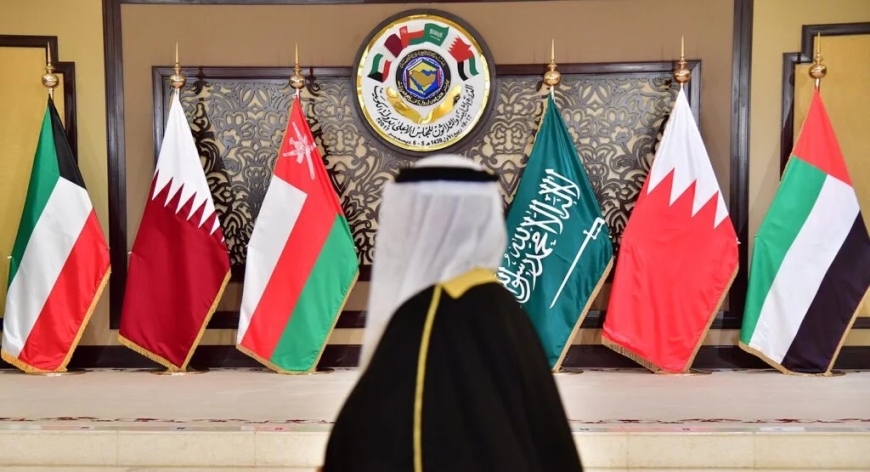
Rising costs from the ongoing US-Israeli campaign against Iran are putting pressure on Gulf states’ budgets. According to the latest report from the Financial Times, this could lead them to rethink overseas investments and future financial commitments.
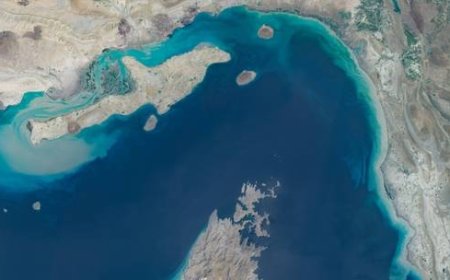
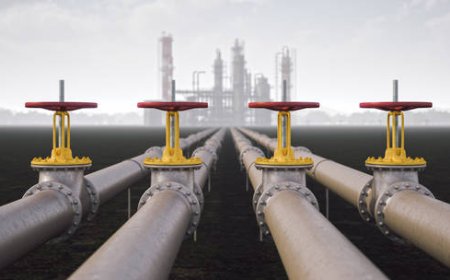
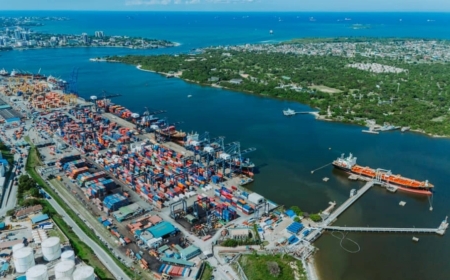
The Gulf states have been drawn into the conflict, with Tehran retaliating strongly against US allies in the region. The war has disrupted shipping through the Strait of Hormuz, a critical route for a fifth of the world’s oil and gas, and at least 10 tankers have been hit in the Gulf.
A Gulf official told the Financial Times that the war could affect many areas. This includes investment promises to foreign countries or companies, sports sponsorships, business contracts, and even the sale of existing holdings.
Gulf states may reconsider overseas investments- Report
The official said that three of the four major Gulf economies, Saudi Arabia, the United Arab Emirates, Kuwait, and Qatar, have discussed the pressure on their budgets and economies. However, they did not specify which states were involved.
“A number of Gulf countries have begun an internal review to determine whether force majeure clauses can be invoked in current contracts, while also reviewing current and future investment commitments in order to alleviate some of the anticipated economic strain from the current war,” the official told FT. “Especially if the war and related expenses continue at the same pace.”
The official added that this move is a precaution. “The budget strains these countries are facing are due to lower income from energy because of reduced output or shipping challenges, and losses in tourism and aviation, along with higher defence spending,” they said.
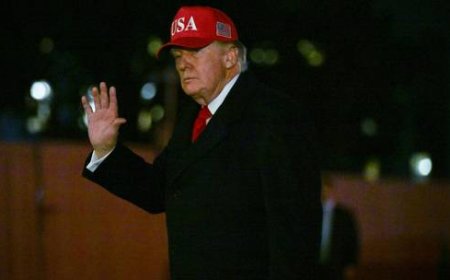
An adviser to a Gulf government later told FT, “The prospect of an investment review by these wealthy states has caught the White House’s attention.” These countries manage some of the world’s largest sovereign wealth funds. Saudi Arabia, the UAE, and Qatar had pledged hundreds of billions of dollars in US investments last year after President Donald Trump’s visit to the region.
Why is Gulf voicing frustration?
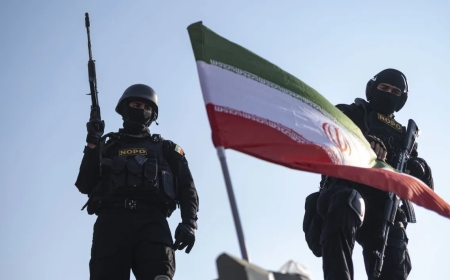
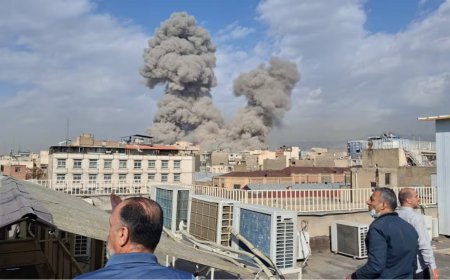
Qatar, the second-largest liquefied natural gas producer globally, declared force majeure after a drone strike on its main LNG plant. One of Saudi Arabia’s largest oil refineries has also been attacked. Iran has targeted US bases, embassies, airports, hotels, and residential buildings, severely affecting air travel and tourism.
Officials told FT that any move by Gulf states to adjust investments in the US or other Western countries may increase pressure on Trump to pursue a diplomatic solution to end the conflict.
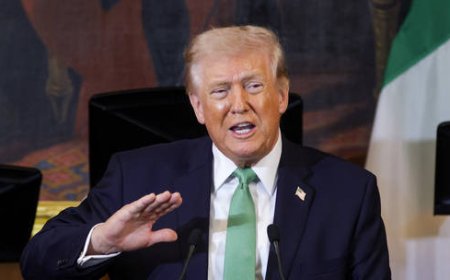
Many in the Gulf have expressed anger at being pulled into the war. Khalaf al-Habtoor, a prominent Emirati businessman, addressed Trump on social media: “A direct question: Who gave you the authority to drag our region into a war with #Iran? And on what basis did you make this dangerous decision? Did you calculate the collateral damage before pulling the trigger?”
Al-Habtoor also pointed out that Gulf countries had contributed billions for stability and development. “These countries have the right to ask today: where did this money go? Are we funding peace initiatives or funding a war that exposes us to danger?” he asked.
The Strait of Hormuz becomes a ghost waterway
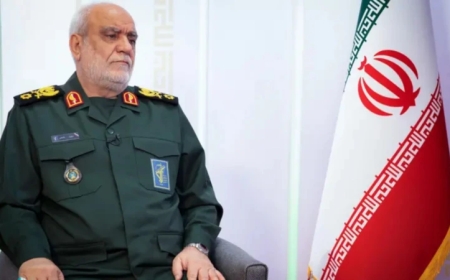
Although technically open, the Strait of Hormuz is now largely impassable. The Iranian Revolutionary Guard warned via VHF radio that any ship attempting passage would be “set ablaze.” This threat is backed by attacks on more than ten tankers, including the Sonangol Namibe near Kuwait and the Skylight off Oman.
Insurance costs for ships have soared, and many operators have lost P&I (Protection and Indemnity) coverage. As a result, commercial traffic has dropped by nearly 70%. For the Gulf states, this is a major financial problem, as the strait carries a fifth of the world’s oil and gas exports.
The war has hit the Gulf’s energy exports hard. Qatar had to suspend operations at its Ras Laffan complex after drone attacks. Saudi Arabia also temporarily shut down its Ras Tanura refinery.
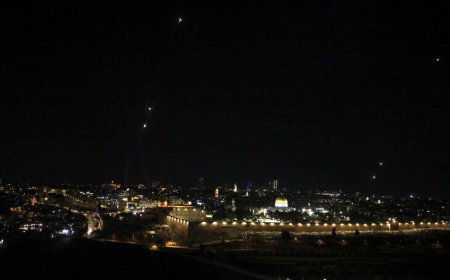
Iran’s counterstrikes have hit several gulf countries. The UAE has faced hundreds of drone and missile attacks, including fires at the Fujairah oil terminal and damage to storage tanks. Even Oman’s neutral port at Duqm was targeted.