





What hope do peace talks in Geneva offer for DR Congo?

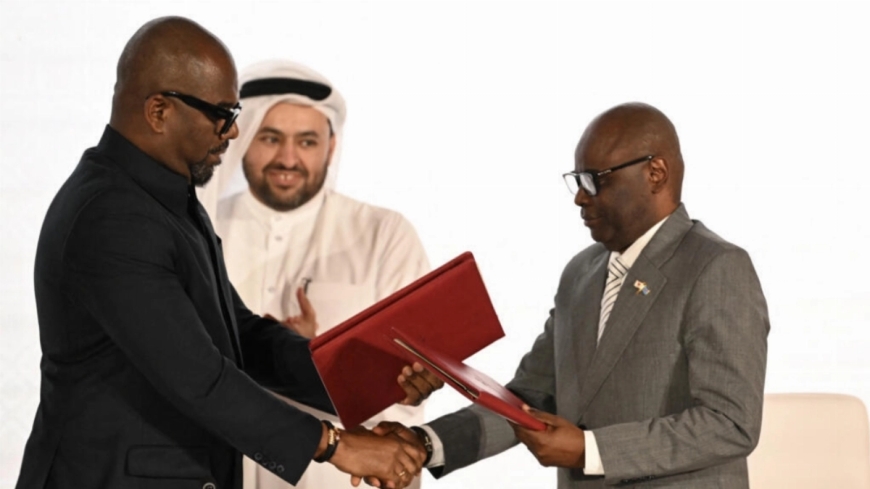
Negotiators from the AFC/M23 and the government of the Democratic Republic of the Congo are set to reconvene on Tuesday, April 14, in Geneva, for a fresh round of peace talks focused primarily on humanitarian access in conflict-affected regions.
The discussions, initially held in Doha since April 2025, were moved to Geneva due to escalating instability in the Middle East. Despite the relocation, Qatar continues to serve as the mediator in the dialogue between the warring parties, whose conflict dates back to late 2021.
Focus on Humanitarian Access
This round of negotiations is expected to center on humanitarian access—identified as the third of eight protocols agreed upon in earlier talks. Previous agreements laid groundwork for a ceasefire and the release of prisoners, though implementation has been slow and uneven.
The first protocol, signed in October 2025, established a ceasefire monitoring mechanism, later reinforced by a broader ceasefire mandate on February 2, prohibiting attacks across all domains and acts such as sabotage and incitement. The monitoring framework is to be led by MONUSCO in coordination with the International Conference on the Great Lakes Region (ICGLR), although it has yet to become fully operational.
A second protocol, signed on September 15, 2025, addressed the release of detainees, with implementation entrusted to the International Committee of the Red Cross.
Fragile Progress Amid Continued Fighting
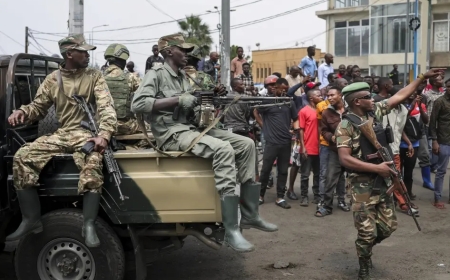
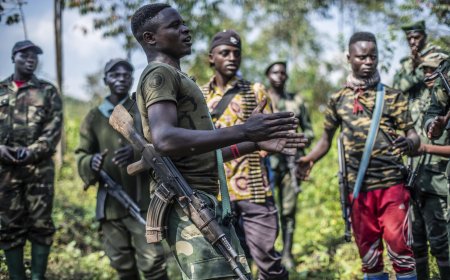
The peace process, launched after AFC/M23 seized key cities including Goma in early 2025, has faced persistent setbacks due to continued hostilities on the ground.
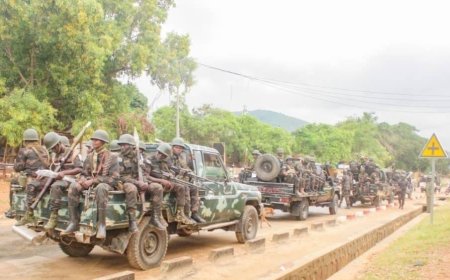
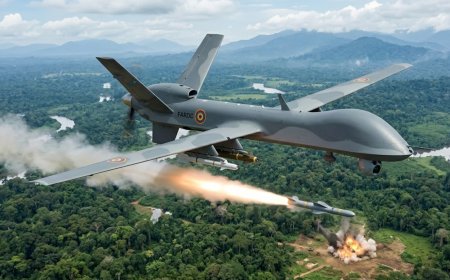
AFC/M23 accuses government forces and their allies—including foreign troops, militias, and armed groups—of violating ceasefire agreements through drone strikes and attacks on civilian-populated areas. The rebel movement claims these operations have intensified insecurity, particularly in North and South Kivu provinces.
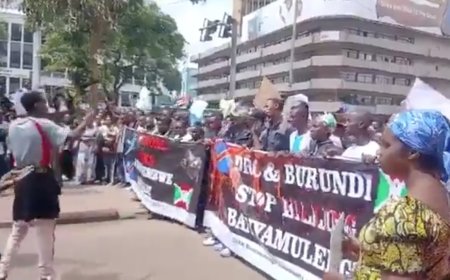
Some of the most affected areas include Minembwe and the High Plateaus of South Kivu, where residents reportedly face aerial bombardments and blockades limiting access to food, medicine, and markets.
Disputes Over Implementation
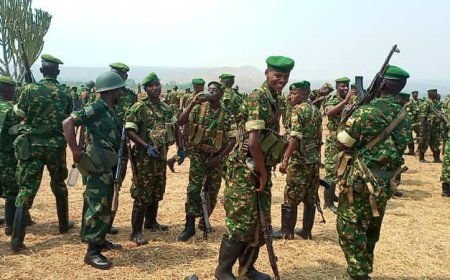
While both sides have taken steps under the agreements, implementation remains uneven. AFC/M23 officials say they have released more than 5,000 captured government soldiers, while accusing Kinshasa of failing to reciprocate.
Movement spokesperson Oscar Balinda reiterated their commitment to dialogue, stating that all ceasefire violations are being documented and will be presented to mediators. He emphasized that the group prefers a political solution, despite ongoing clashes.
Analysts Warn of Stalemate
Observers remain divided on the prospects for peace. Some analysts warn that the process risks stalling if the Congolese government does not fully honor its commitments. Others point to a lack of accountability from international actors and mediators, arguing that this imbalance undermines trust between the parties.
There is also debate over the current focus on humanitarian access, with some experts suggesting it diverts attention from deeper structural causes of the conflict.
Uncertain Path Forward
Despite the challenges, both sides continue to participate in negotiations, signaling that diplomatic channels remain open. Analysts note that meaningful progress will depend on mutual commitment, including adherence to ceasefire terms and genuine political will to resolve the conflict.