



























No peace without FDLR neutralization, Rwandan envoy tells UN Security Council

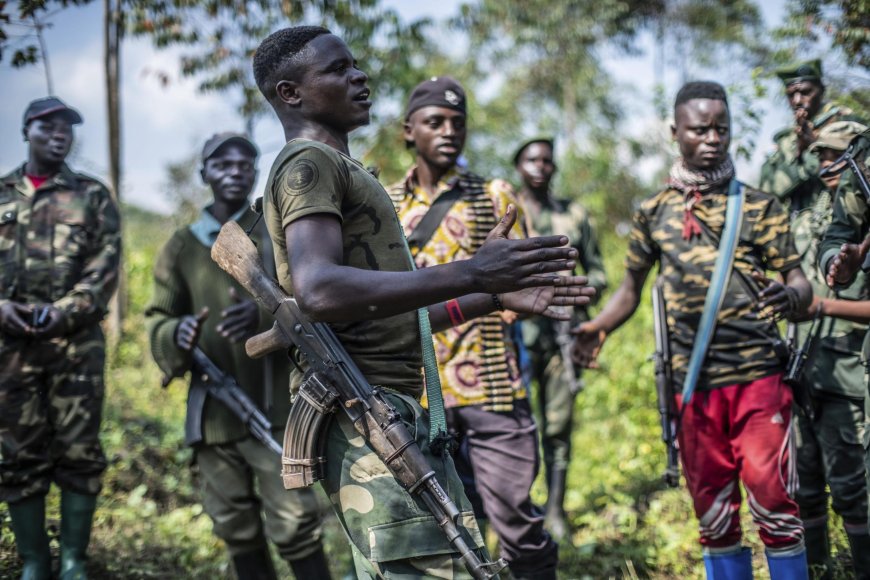
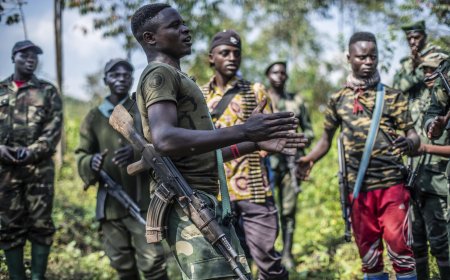
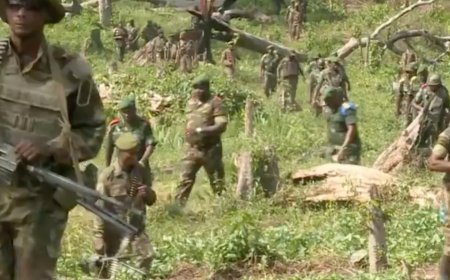
A Rwandan diplomat has told the United Nations Security Council that there can be no credible path to peace in the Great Lakes region without the neutralisation of the FDLR, a DR Congo-backed militia founded by perpetrators of the 1994 Genocide against the Tutsi.
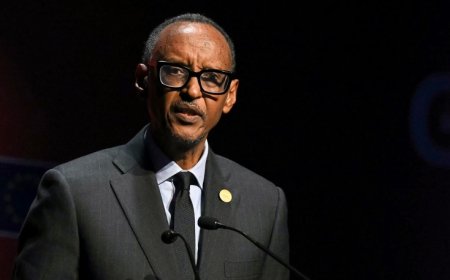
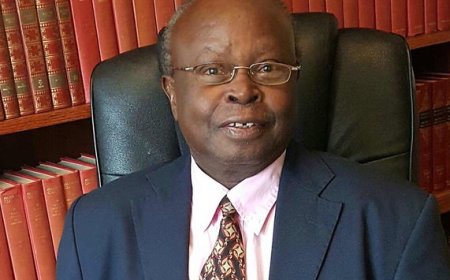
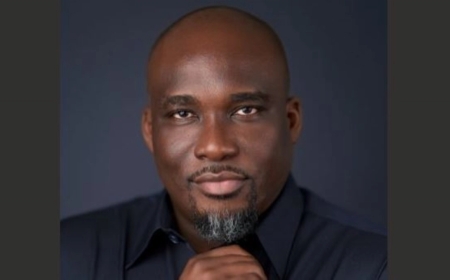
Robert Kayinamura, the Deputy Permanent Representative to the UN, made the remarks on Wednesday, April 15, during a Security Council briefing on the Peace, Security and Cooperation Framework agreement for the Democratic Republic of the Congo and the region, which was signed in 2013.
Kayinamura said the armed group remains a direct threat to Rwanda’s security and regional stability.
Kayinamura said the continued presence and tolerance of the FDLR in eastern DR Congo remains Rwanda’s primary security concern, describing it as an “ongoing existential threat.”
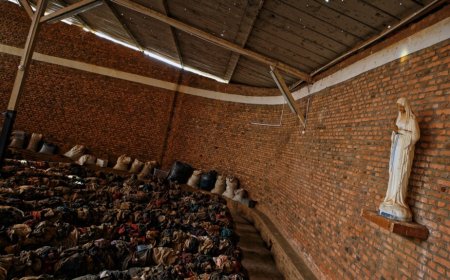
“The perpetrators who committed the 1994 Genocide against the Tutsi fled into the DRC and remain active to this day,” he said, noting that their presence was one of the key reasons behind the establishment of the framework in 2013.
He stressed that more than a decade after the agreement was signed, the root causes of instability in eastern DR Congo persist, largely due to gaps in implementation rather than flaws in the framework itself.
“This reflects not a failure of the framework, but a failure in its implementation,” Kayinamura told the Council.
Rwanda, he said, has consistently upheld its commitments under the framework and engaged constructively in regional peace efforts, maintaining a position focused on addressing the underlying drivers of conflict.
However, he warned that the continued existence of the FDLR contradicts commitments made under the framework and undermines efforts toward lasting peace.
“There can be no credible path to peace without its effective and irreversible neutralisation,” he said.
Beyond security concerns, Kayinamura also raised alarm over rising hate speech, ethnic violence against Kinyarwanda-speaking communities in eastern DRC, particularly the Banyamulenge.
He said the persistent portrayal of these communities as “foreigners” threatens the broader goal of peace and cooperation in the region.
“Sustainable peace cannot be built on avoidance,” he said, calling for a direct and honest approach to addressing deep-rooted challenges.
Rwanda also welcomed ongoing diplomatic efforts, including ceasefire initiatives and mediation processes, while expressing support for interim measures such as the deployment of a buffer or interposition force to stabilise the situation on the ground.
Kayinamura posed two key questions to the Council, asking why, 13 years after the framework’s adoption, core issues such as the neutralisation of the FDLR remain unresolved, and why hate speech and persecution of certain communities persist.
“What basis do we have to expect a different outcome?” he asked.
He reiterated that there is no military solution to the crisis, emphasising that sustainable peace will depend on genuine commitment to accountability, cooperation and mutual respect among all parties.
“The success of the framework depends on all parties meeting their obligations fully and without exception,” he said.
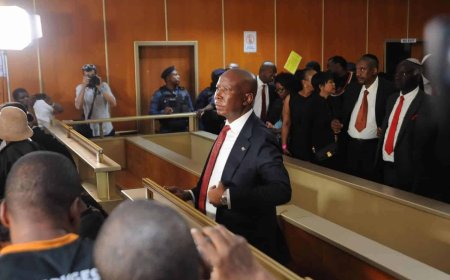
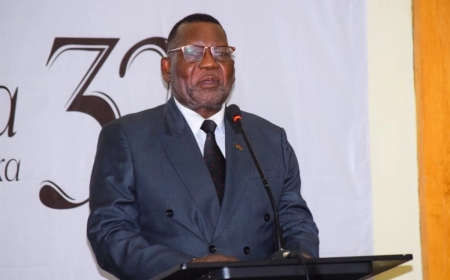
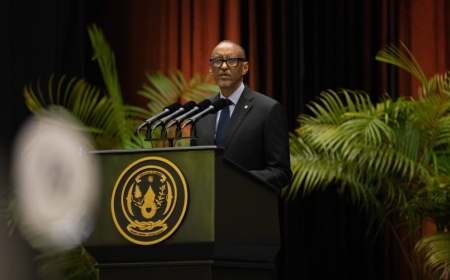
 Robert Kayinamura, the Deputy Permanent Representative to the UN, addresses the Security Council briefing on the Peace, Security and Cooperation Framework on Wednesday, April 15. Courtesy.