
















African Leaders Refuse to Bow to Ndayishimiye, Nduhungirehe Says
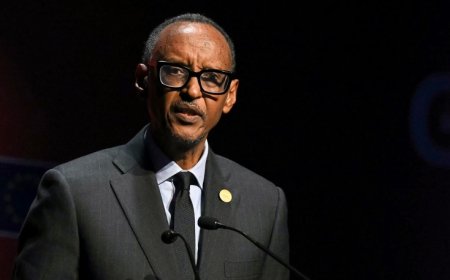
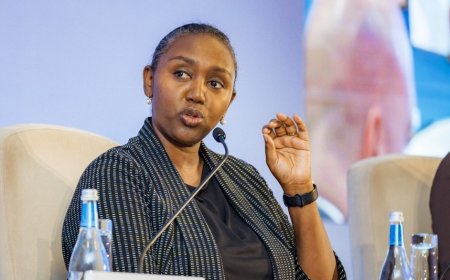
The Minister of Foreign Affairs and International Cooperation Olivier Nduhungirehe has criticised Burundi’s leadership of the African Union over a failed bid to secure continental backing for former Senegalese president Macky Sall in the race for United Nations Secretary-General.
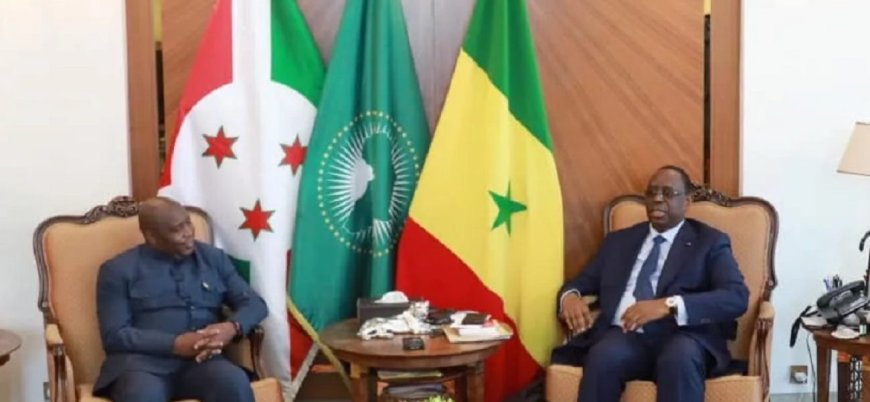
On March 3, the Permanent Representative of Burundi in New York informed the UN General Assembly that the government of Burundi, acting in its capacity as AU Chair, was nominating Macky Sall for the position of UN Secretary‑General — the top diplomatic role at the United Nations.
Under UN rules, any individual must be nominated by a member state to be eligible to run. But Nduhungirehe said this step came as a surprise to other AU leaders because there had been no prior consultation by the AU chairperson with fellow Heads of State and Government.
In a post on his X on Friday, Nduhungirehe said the move by 20 AU member states to block the endorsement was a defence of rules and governance, not a rejection of Sall himself.
“Today’s decision... was not aimed at rejecting the candidature of anyone,” he said. “It was aimed at opposing a flawed procedure.”
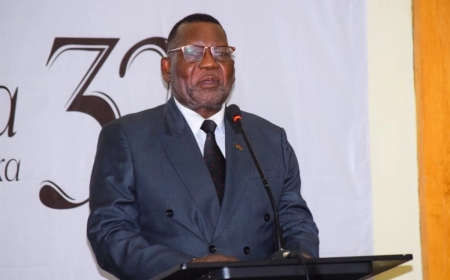
He accused Burundi’s President Évariste Ndayishimiye, the current AU Chairperson, of bypassing established processes and acting without consulting other African leaders.
He further criticised the decision to push the endorsement through a 24-hour “silence procedure,” instead of convening a summit, describing the move as an attempt to impose a decision on member states.
“This was too much for many AU member states,” he said, adding that countries rejected what he termed a “diktat” and acted to “remind” the AU that it is governed by the rule of law.
The AU Commission, in a brief statement issued on March 27, confirmed that the draft decision was not adopted after 20 member states broke the silence before the deadline, effectively halting the endorsement process.
While the commission did not elaborate on the reasons behind the objections, the outcome underscored divisions within the bloc over how such high-level candidatures should be handled.
The race for UN Secretary-General, a position currently held by António Guterres, typically involves extensive consultations and regional consensus-building, particularly when blocs such as Africa seek to rally behind a single candidate.
Nduhungirehe warned that the way the process was handled risked damaging the AU’s credibility on the global stage, but expressed hope that the incident would serve as a lesson for future leadership.
“Leadership matters,” he said, pointing to the need for adherence to established rules in managing continental affairs.