






















'not our war'Europe tells Trump

European leaders have firmly distanced themselves from a U.S.-Israeli military campaign against Iran, exposing widening fractures in transatlantic relations and raising fresh concerns over global security and economic stability.
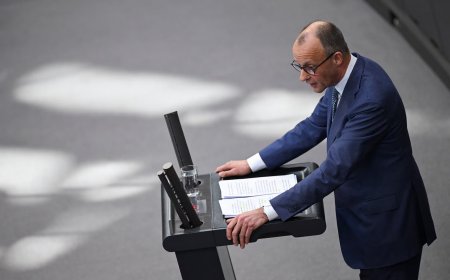
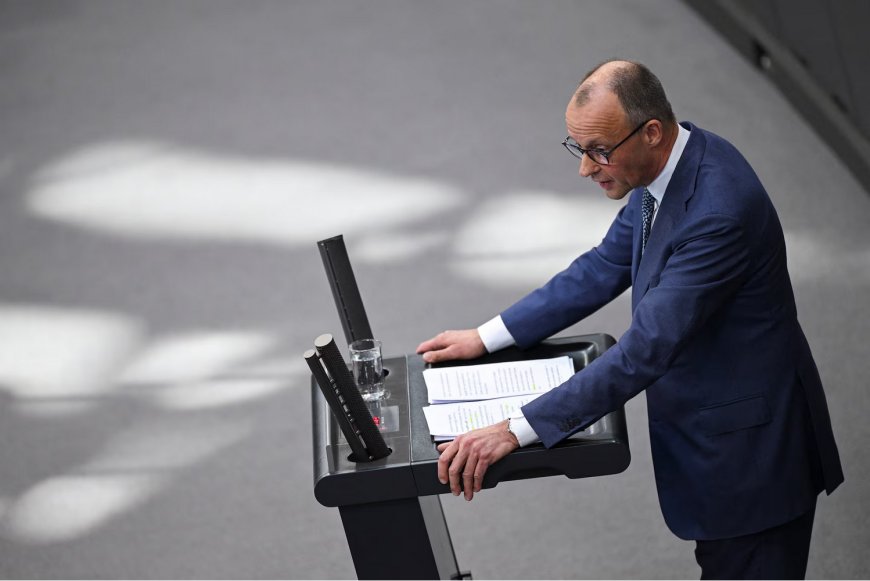
Friedrich Merz, Germany’s chancellor and a self-described transatlanticist, delivered an unusually blunt message to lawmakers, criticizing both the strategy and lack of consultation from Washington. While acknowledging that Iran must not threaten regional stability, Merz questioned the viability of the operation and made clear Berlin would not participate.
“To this day, there is no convincing plan for how this operation could succeed,” Merz said, adding that Germany had not been consulted and would not support military efforts to secure the strategically vital Strait of Hormuz while the conflict continues.
His stance reflects a broader European reluctance to engage in a war they neither initiated nor fully understand. Defence Minister Boris Pistorius reinforced this position, stating plainly: “This is not our war.”
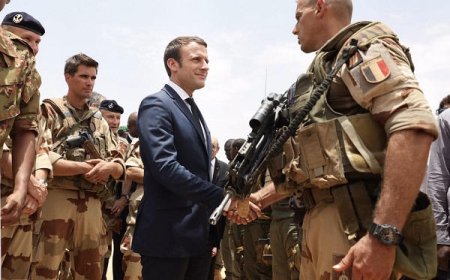
Similar sentiments have been echoed across the continent. French President Emmanuel Macron declared that France is “not party to the conflict,” while European governments collectively resist being drawn into a volatile confrontation with uncertain objectives.
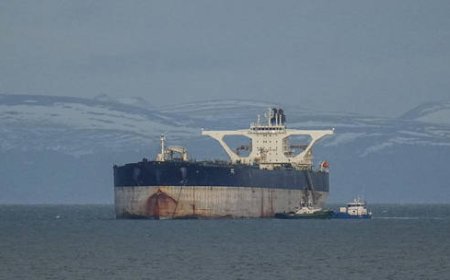
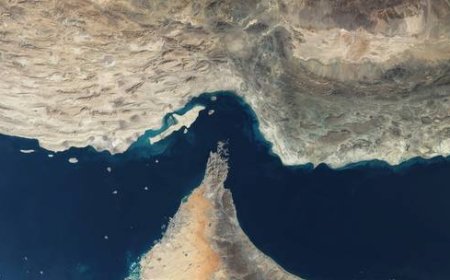
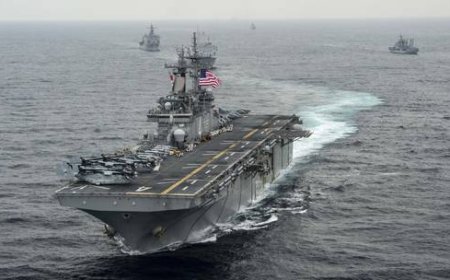
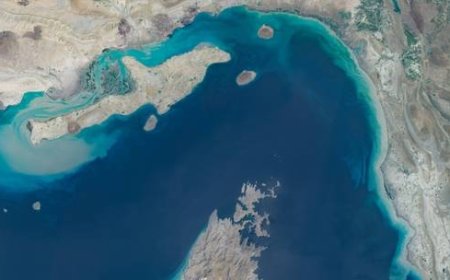
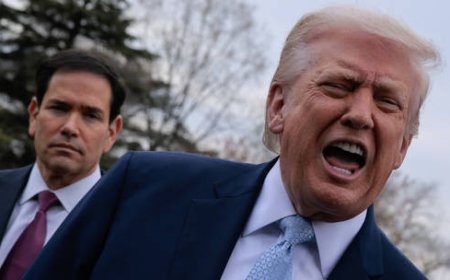
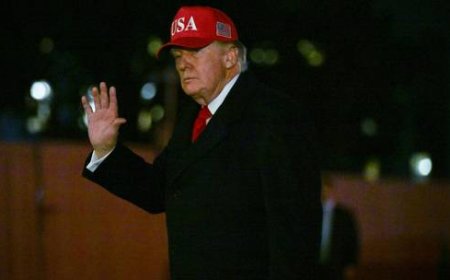
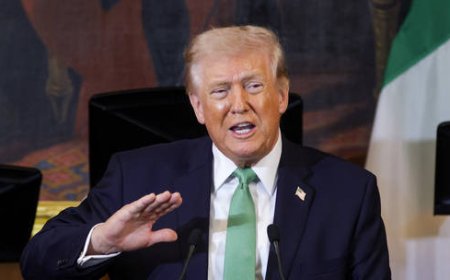
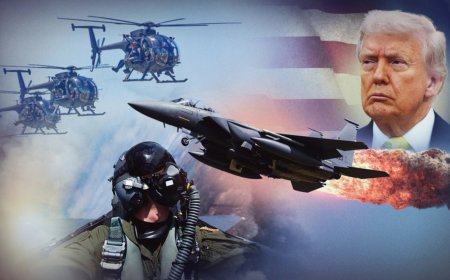
The pushback comes after U.S. President Donald Trump called on allies to join efforts to counter Iran and secure the Strait of Hormuz, a critical artery through which roughly one-fifth of the world’s oil supply passes. The near disruption of this route has intensified global economic fears.
Trump sharply criticized allied refusals, calling them a “very foolish mistake” and singling out British Prime Minister Keir Starmer, whom he compared unfavorably to wartime leader Winston Churchill.
However, European leaders appear to have strong domestic backing. Public opinion polls show significant opposition to the war across major countries, including the United Kingdom, Germany, and Spain. In Britain, opposition to the strikes outweighs support, while in Germany and Spain, majorities also reject involvement.
Political figures across the spectrum have responded cautiously. Conservative leader Kemi Badenoch criticized the tone of U.S. rhetoric, while Reform UK’s Robert Jenrick defended Starmer against what he described as undue criticism from Washington.
In Spain, Prime Minister Pedro Sánchez condemned the attacks as “reckless and illegal,” with his government rejecting U.S. pressure to support military operations. Deputy Prime Minister María Jesús Montero emphasized Spain’s independence, stating the country would not yield to external threats.
Even parties traditionally aligned with Washington have voiced concern. Tino Chrupalla warned that Trump risks transforming his image from a “peace president” into a “war president.”
Beyond political disagreements, the crisis is testing the foundations of NATO and transatlantic cooperation. European leaders remain wary that antagonizing Washington could impact U.S. support for Ukraine or broader security commitments, especially amid ongoing tensions over trade and defense.
Despite rejecting direct military involvement, European nations are exploring alternative responses. Britain has proposed working with allies to secure maritime routes, while France is pursuing a multinational initiative—potentially excluding the United States—to safeguard shipping in the Strait of Hormuz once conditions allow.
French-led efforts include consultations with European, Asian, and Gulf partners, aiming to establish a coordinated naval presence to escort commercial vessels. Officials stress that any such plan would require de-escalation with Iran and extensive coordination with industry stakeholders.
European Union foreign policy chief Kaja Kallas summed up the bloc’s cautious approach, describing a shift toward managing unpredictability in U.S. leadership while maintaining focus and unity.