
























Insurrection fears: Ndayishimiye orders arms relocation as rift deepens within Burundi’s army

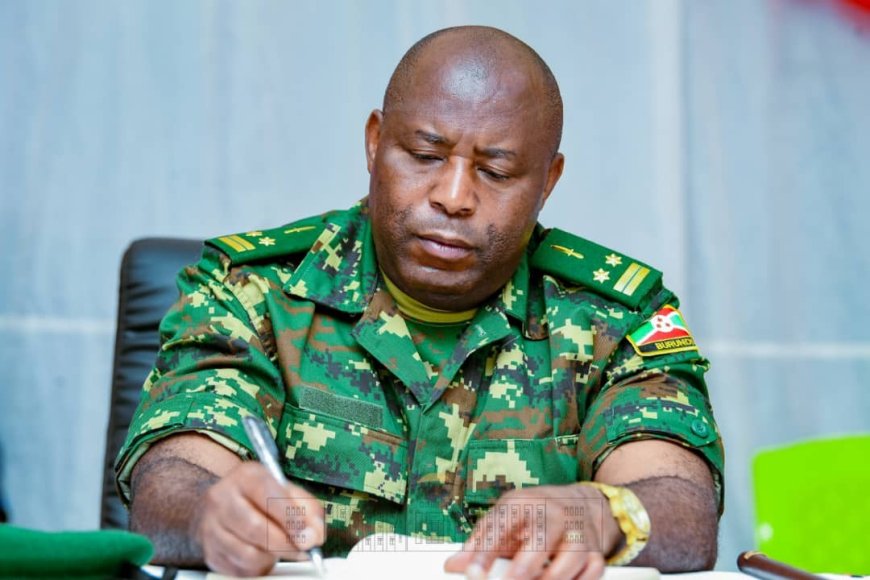
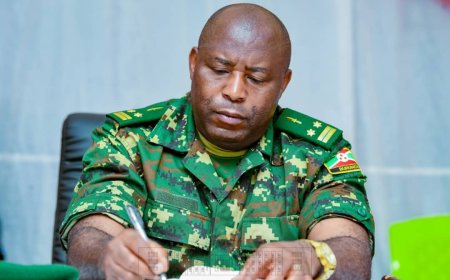
Burundi’s military has begun relocating ammunition and heavy weaponry away from key bases in Bujumbura in a major strategic shift, amid growing unease within President Évariste Ndayishimiye’s security establishment. The movement of arms signals heightened concern over internal stability following recent disruptions in the country’s military command structure.
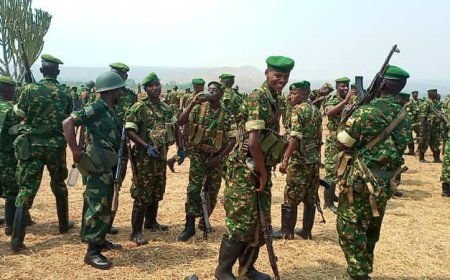
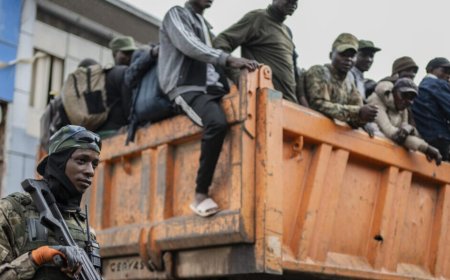
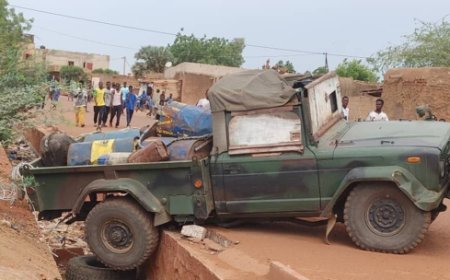
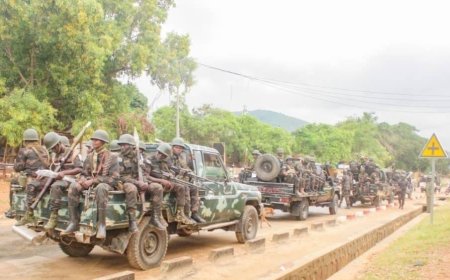
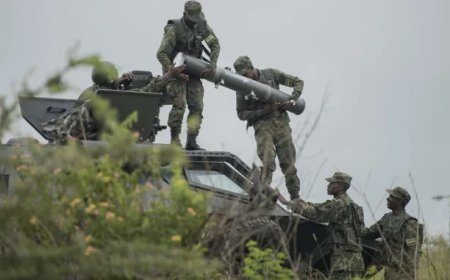
On April 24, around 50 military trucks transported ammunition and equipment from the Burundi National Defense Force’s Muha and Muzinda military camps in Bujumbura Province, as well as from the Mwaro Artillery Brigade camp in Gitega Province, to FDNB’s 3rd Battalion Commando Camp in Gitega town.
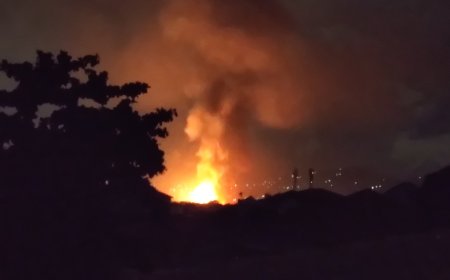
The sudden transfer comes less than a month after the catastrophic destruction of Burundi’s main military ammunition depot at Musaga in Bujumbura on March 31. That explosion exposed not only serious security failures within the army, but also deep contradictions at the highest levels of the state.
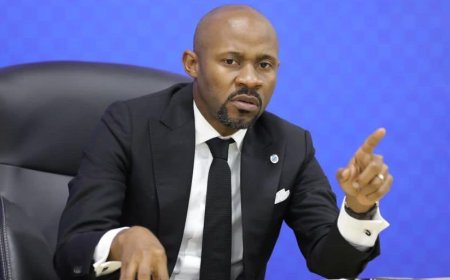
Immediately after the incident, then-army spokesperson Brigadier General Gaspard Baratuza told the media that the explosion was caused by an electrical circuit failure. President Ndayishimiye, however, publicly contradicted this account, stating that the camp had no electricity.
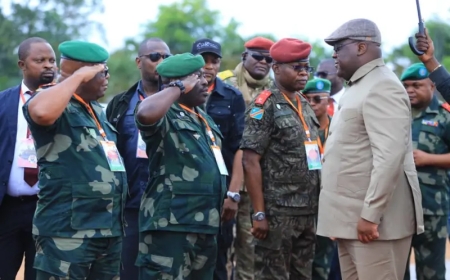
Baratuza did not survive politically for long. On April 22, Ndayishimiye removed him, along with Colonel Ernest Musaba, the chief of FDNB’s logistics service. Musaba was replaced by Colonel Thierry Kabura.
Just two days after Kabura’s appointment, Ndayishimiye reportedly ordered him to relocate some of the army’s most valuable assets out of Bujumbura. These include 120mm and 82mm mortars, as well as BM-21 rocket launchers, among others.
The sequence of events is telling. First came the Musaga explosion. Then followed a public contradiction between the presidency and the army. Next came the dismissal of senior military officials. Now, heavy weapons are being moved away from Bujumbura. Together, these developments suggest that Ndayishimiye is not merely responding to a security incident; he may also be acting out of concern over potential internal insurrection.
That concern is not without context. Ndayishimiye has long faced discontent within sections of the army, where mistrust has been deepened by his rivalry with Chief of Defence Staff General Prime Niyongabo.
Disagreements over troop deployments to the eastern DRC further strained the chain of command.
Many soldiers have grown increasingly frustrated with Burundi’s military involvement in DRC where Burundian troops are deployed in support of Kinshasa’s fight against AFC/M23 rebels. For troops who view the war as unjust, costly, and politically driven, the deaths of their comrades in eastern DRC have become a source of growing resentment. This is why the Musaga explosion has triggered more than a technical investigation. Within the regime, there are suspicions that soldiers long stationed in Bujumbura may have deliberately sabotaged the depot in protest against the war in DRC.
Bujumbura’s strategic position makes such suspicions even more alarming for the presidency. The city borders DRC and has served as the main base and transit hub for Burundian troops operating across the border. Any rebellion or sabotage within military units stationed there would therefore pose a direct threat to both domestic stability and Burundi’s regional military operations.
By moving arms and ammunition from Bujumbura to Gitega, Ndayishimiye appears to be attempting to place the army’s most critical assets further from troops he no longer fully trusts. However, such a move also highlights the fragility of his grip on power.
A confident commander-in-chief does not hastily empty strategic military camps in the country’s former capital. A secure presidency does not reshuffle senior army officials days after publicly contradicting its own military spokesperson. And a stable regime does not relocate heavy weapons inland unless it fears that the real threat may come from within.
The relocation of arms from Bujumbura is therefore more than a military adjustment; it is a political signal. Ndayishimiye’s government appears increasingly concerned, the army is divided, and the Musaga explosion may have exposed a deeper crisis within Burundi’s security apparatus.