

























Who is fooling whom? Ndayishimiye contradicts army’s version of Burundi depot blasts

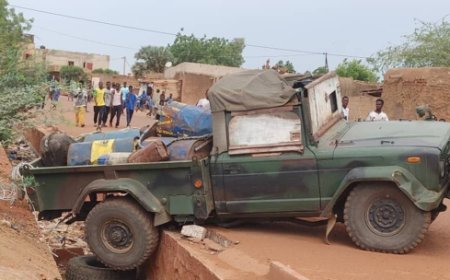
The explosions that tore through Burundi’s main military ammunition depot did more than devastate the site—they also shattered the government’s official narrative.
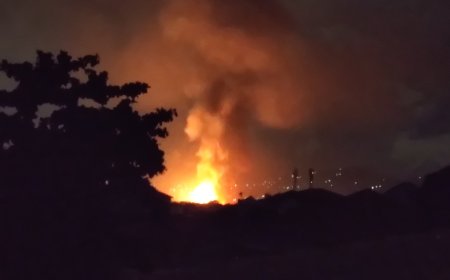
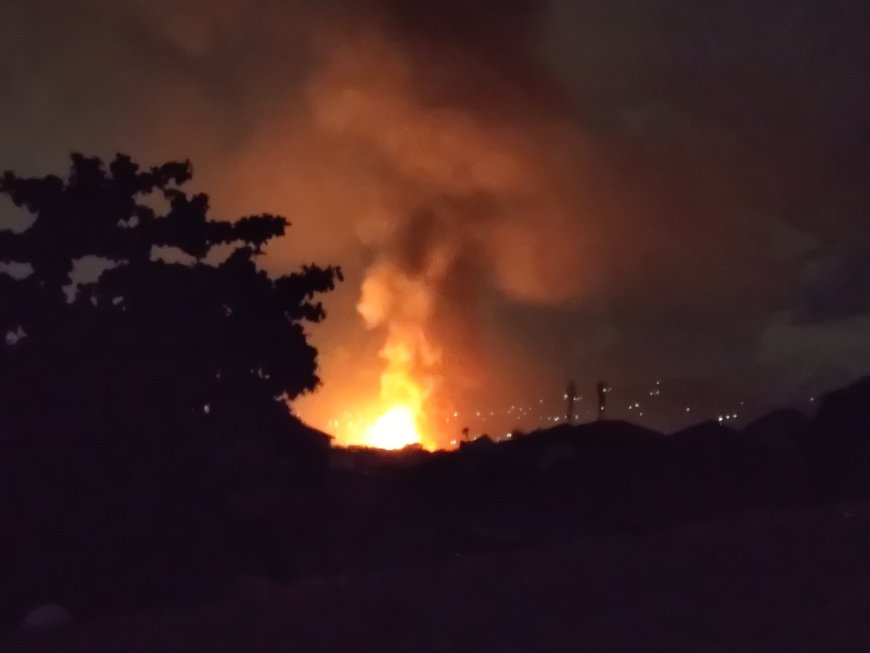
When the night sky over Bujumbura’s Musaga district was ripped apart by a series of thunderous blasts on March 31, authorities quickly moved to explain the disaster. But conflicting statements from Burundi’s top leadership have since raised serious questions about what really happened.
In the immediate aftermath, the then spokesperson for the Burundi National Defence Force (FDNB), Brig. Gen. Gaspard Baratuza, told the media that the explosions were caused by an electrical short circuit.
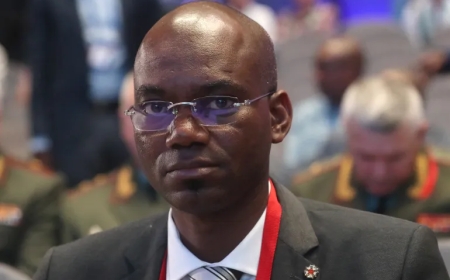
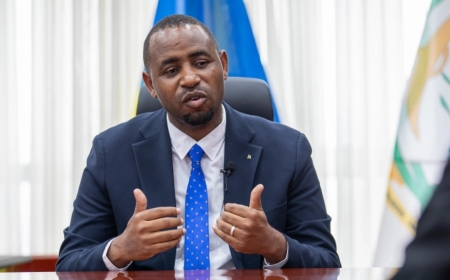
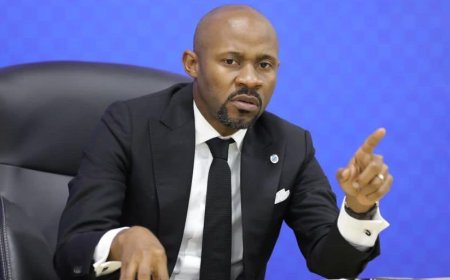
That version, however, has since been challenged by reports from Gitega. In an interview with local You Tube Channel, Yaga Burundi, President Évariste Ndayishimiye offered a different explanation—one that directly contradicted his army spokesperson’s account.
According to Ndayishimiye, the explosion was not caused by an electrical fault, but by friction between weapons stored inside the depot.
The contradictory explanations have fueled growing doubts about which version the public should believe: that of the commander-in-chief or that of his military spokesperson.
Ndayishimiye’s own remarks have only deepened the credibility gap. In a public message issued shortly after the incident, he expressed condolences for the “fire that broke out in one of the storage facilities” at the Musaga camp, while assuring Burundians that the situation was under control.
Official statements from the government and the FDNB put the death toll at 13 civilians, with 57 others injured. Yet eyewitnesses and insider sources paint a far grimmer picture. According to accounts from the ground, the blasts may have killed hundreds of soldiers and civilians, while many others remain unaccounted for—numbers authorities have withheld from a shocked and fearful public.
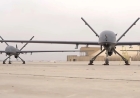
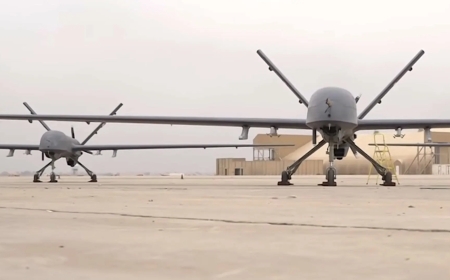
The Musaga arsenal sits in a densely populated area and is believed to store a wide array of weaponry, including drones. Given the scale of the explosions, many observers find the official casualty figures difficult to reconcile with the magnitude of the destruction.
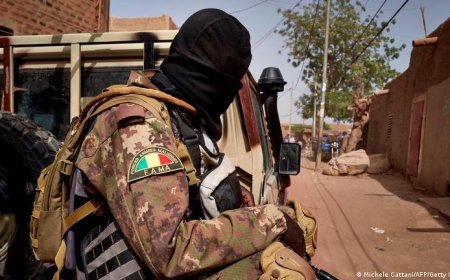
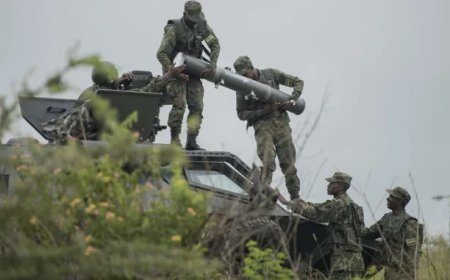
Some reports suggest the disaster may not have been accidental. According to these accounts, disgruntled soldiers—angered by mounting losses during Burundi’s military deployment in eastern Democratic Republic of the Congo (DRC)—may have deliberately triggered the blast.
Frustration is growing within the ranks, with soldiers feeling overused, underpaid, and abandoned despite suffering heavy casualties.
As investigations continue, the Musaga explosions have come to reveal far more than the vulnerability of a military depot. They have exposed apparent fractures in communication at the highest levels of Burundi’s leadership, at a moment of mounting military and political sensitivity.