














Angola’s Role in DRC Conflict Under Scrutiny After Troop Deployments to Kalemie

While the government in Kinshasa and the AFC/M23 rebels signed a ceasefire mediated by Qatar in Doha in July 2025—an agreement that the Congolese military coalition never fully respected—Angola later introduced a separate initiative on February 9 that it said was meant to ease tensions in eastern Democratic Republic of the Congo. However, the rebels were neither consulted nor invited to the discussions, raising immediate concerns about the neutrality and purpose of the proposal.
Observers quickly interpreted the Angolan initiative as a strategic move that could provide the Congolese national army, the FARDC, and its allied coalition forces with a tactical edge over AFC/M23, while also allowing Angola to discreetly increase its military presence in eastern Congo.
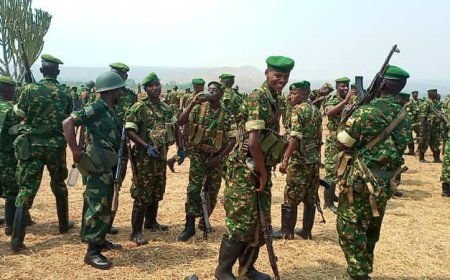
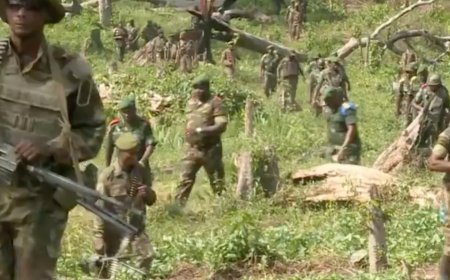
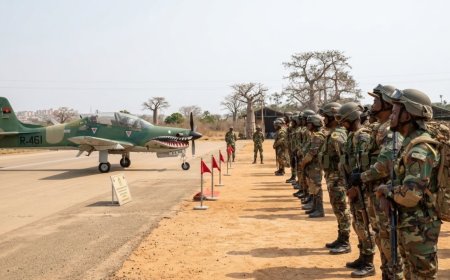
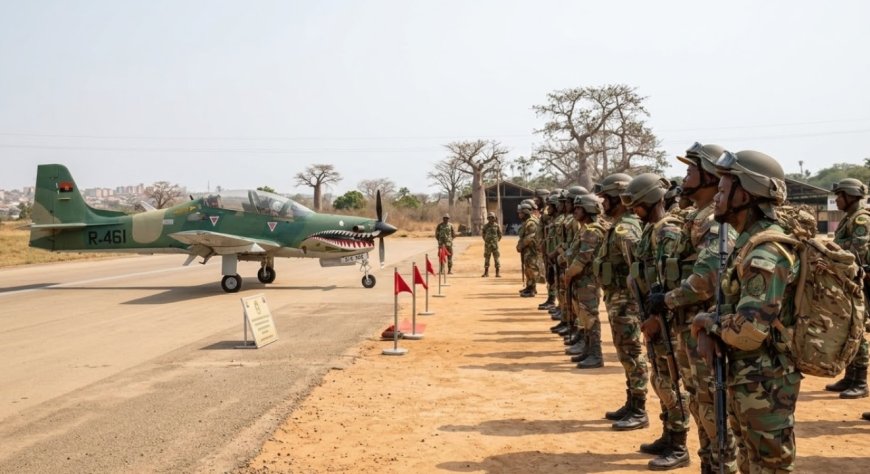
On February 24, Kigali Daily News reported that roughly 100 Angolan troops arrived at Kalemie Airport on February 18 before being deployed to Baraka and Fizi Territory in South Kivu Province. Their mission was reportedly to reinforce coalition operations led by the FARDC. Additional reinforcements followed on February 24 and 26, when an Angolan Air Force Lockheed C-130 Hercules transported special forces units to Kalemie, strengthening those already stationed at the airport.
A source within the FARDC in Kalemie told Kigali Daily News that Angola could deploy an entire battalion, including special forces and drone operators operating from Kalemie Airport, alongside approximately 20 mercenaries linked to Blackwater.
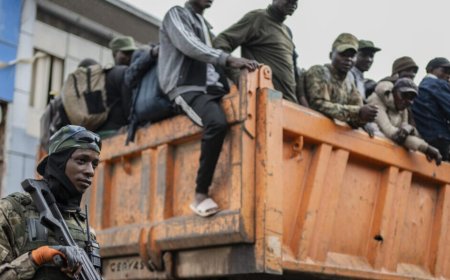
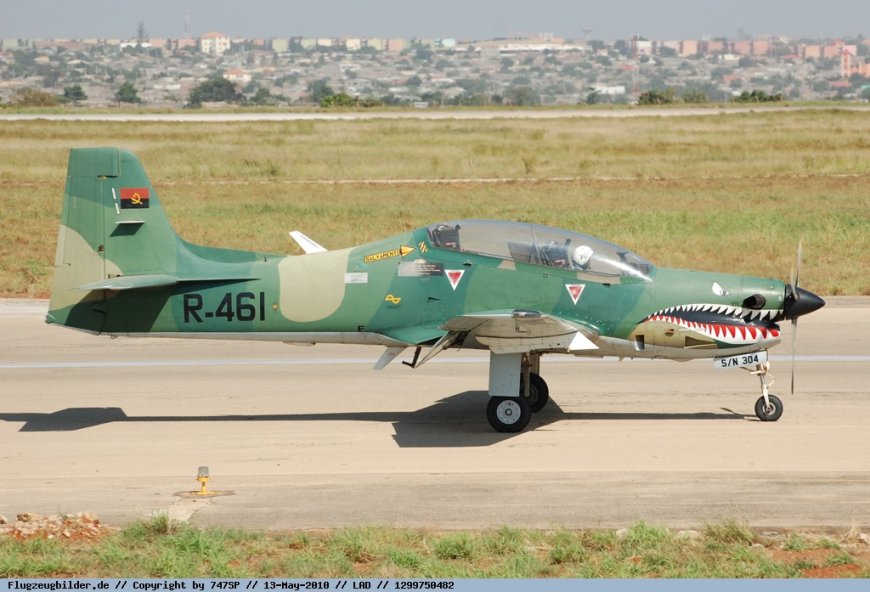
Beyond the ground presence, Angolan combat aircraft—including Sukhoi Su-30 and Sukhoi Su-25—have reportedly been stationed in Kalemie to support operations against AFC/M23 and MRD-Twirwaneho operating in the high and mid-plateaus of Fizi Territory.
Further signs of coordination reportedly surfaced in Bujumbura. Angolan pilots, wearing military uniforms, attended a three-day strategic meeting at Kiriri Garden Hotel starting on February 19. According to reports, the discussions focused on planning major offensives by the FARDC-led coalition against AFC/M23, suggesting preparations for coordinated air and ground operations.
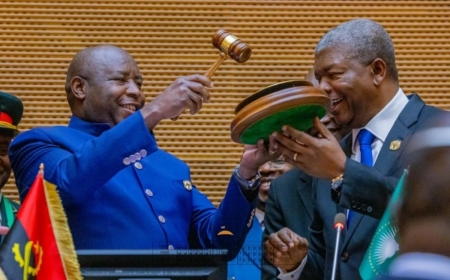
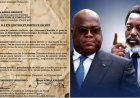
Publicly, however, Angola maintained that it had no intention of becoming directly involved in the conflict, projecting neutrality while holding the chairmanship of the African Union. Yet the two visits made by Félix Tshisekedi to Luanda within just three days in January raised questions about that stance. Analysts now suggest that João Lourenço’s call for a ceasefire may have bought time while paving the way for stronger support to Kinshasa.
In practice, Angola’s troop deployments coincided with renewed air offensives against AFC/M23—occurring only days after Luanda proposed a ceasefire—further blurring the line between mediator and direct participant in an already fragile conflict.