















































National Defence University takes shape with President as Chancellor

The governance structure of the National Defence University - Rwanda, a new institution expected to shape the country’s strategic leadership and security expertise, has been established with the President of the Republic as Chancellor.
ALSO READ: What to know as parliament approves National Defence University
Established under a 2026 law published in the Official Gazette of April 10, the new university brings together key military and security colleges and training institutions into a single, autonomous higher learning institution headquartered in Kigali.
The National Defence University, which has yet to be operational, is mandated to educate military officers, security personnel, senior government officials, and international partners.
President named Chancellor
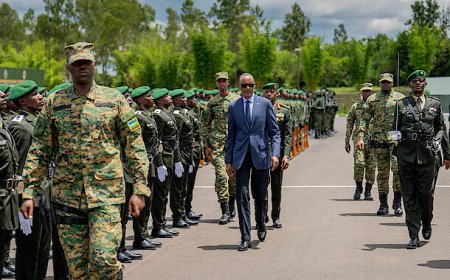
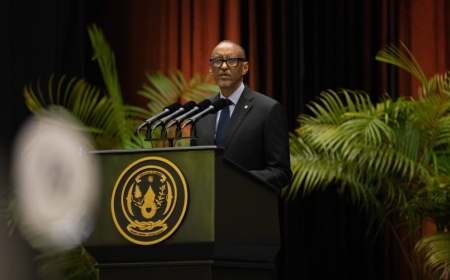
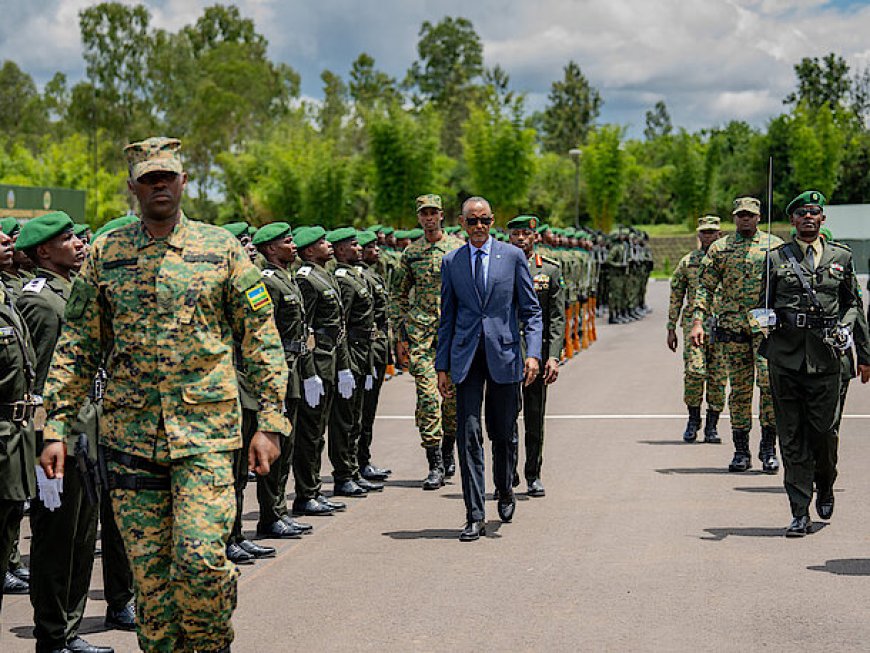
At the helm of the university’s leadership is the Chancellor, a role assigned by law to the President of the Republic, who is also the Commander-in-Chief of Rwanda Defence Force (RDF), according to the new legislation.
As Chancellor, the President is mandated to provide overarching strategic guidance to ensure the university fulfils its mission of training high-level defence and security professionals. The role also includes presiding over graduation ceremonies or appointing a representative to do so.
ALSO READ: RDF spokesperson outlines plan for National Defence University
Who makes up the Board of Governors?
The Board of Governors is the university’s key decision-making and oversight organ, bringing together a mix of external experts and internal representatives.
It is composed of 13 members, who have yet to be named.
- Seven members appointed by Presidential Order, drawn from outside the university. These include a Chairperson and Deputy Chairperson, and are selected based on expertise in areas such as national defence and security, higher education, research and innovation, and national development.
- The Vice-Chancellor, who also serves as rapporteur of the Board.
- The Commandant of the National Defence College-Rwanda.
- One representative of the teaching and research staff, elected by peers.
- One dean, also elected by peers.
-
The head of quality assurance within the defence university.
- One student representative from the National Defence College.
The law requires that at least 30 per cent of Board members be female, reflecting a commitment to gender inclusivity. Except for ex officio members – those who serve on a board by virtue of holding another specific office or position – Board members serve a four-year term, renewable once.
Board’s powers and responsibilities
The Board of Governors plays a central role in shaping the direction of the university. Its responsibilities include setting the institution’s vision, approving policies, adopting strategic and annual plans, and overseeing performance.
It also approves the university’s budget, monitors its execution, and makes key decisions related to staffing, partnerships, and organisational structure.
In addition, the Board ensures academic quality, adopts rules governing teaching and research, and can establish committees to support its work.
A broader governance structure
Beyond the Chancellor and Board, the university’s management includes several organs: the Chancellery, the Executive Organ, the Academic Senate, and the Senior Management Committee.
The Executive Organ, responsible for daily operations, is made up of the Vice-Chancellor and two Deputy Vice-Chancellors, one in charge of academic affairs and research, and the other in charge of strategic planning, administration, and finance. These are appointed by Presidential Order for five-year terms.
A strategic institution
The National Defence University-Rwanda will be composed of the National Defence College-Rwanda, Defence College of Health Sciences, Defence Institute of Sciences and Technology, Institute for Defence and Strategic Studies, National Intelligence Academy, Rwanda Defence Force Command and Staff College, National Police College and Rwanda Military Academy.
With legal personality and full administrative, academic, and financial autonomy, the new university's mission includes advancing strategic thinking, conducting research on emerging security threats, and serving as a national think tank on defence and security issues.
The governance structure of the defence university anchored by the President as Chancellor and a diverse Board of Governors underscores its national significance and direct link to Rwanda’s highest level of leadership in defence and security matters.