










Bodyguard Reveals Final Hours Before Habyarimana Plane Crash
New testimony from an ex-bodyguard sheds light on the final moments of Habyarimana’s Falcon 50, including ignored warnings and last-minute flight changes.

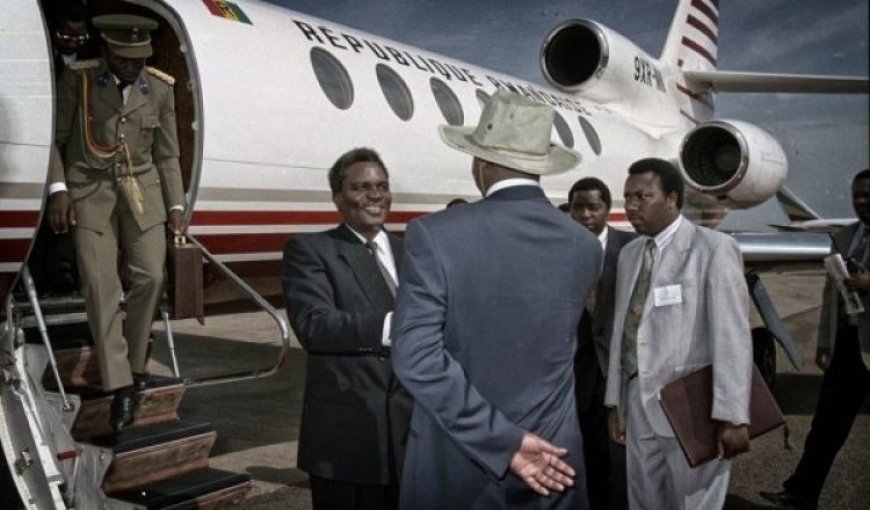
Fresh testimony from a former member of President Juvénal Habyarimana’s security detail has offered new insight into the final hours before the presidential Falcon 50 jet was shot down on April 6, 1994.
The aircraft, which was returning from Dar es Salaam, Tanzania, where regional leaders had met over the implementation of the Arusha Peace Accords, was struck as it approached Kanombe Airport in Kigali. All those on board were killed, in an attack that marked a turning point in Rwanda’s history.
Retired Corporal Senkeri Salathiel, who served for 15 years in the presidential guard, was among six soldiers selected to accompany Habyarimana on the trip. However, a last-minute change in flight arrangements meant he did not board the aircraft.
“We were supposed to return with the president, but the situation changed,” Senkeri told Kigali Daily News. “The planes were reorganised after the Burundian aircraft developed a problem, and we were left behind.”
Warnings Before Departure
Senkeri said concerns about a possible attack had been raised before departure.
“One of the pilots warned that the plane could be shot at,” he said. “We passed the message through the proper channels.”
According to him, the warning reached Habyarimana but did not alter his decision.
“He made it clear he was returning to Rwanda regardless,” Senkeri said.
Last-Minute Movements
The former guard also recalled unusual developments shortly before takeoff. Burundi’s president had boarded first, but his aircraft reportedly failed to start, prompting changes to the travel plan.
In a rare move, Habyarimana briefly stepped off the aircraft to call back senior officials who had remained behind, including Army Chief of Staff Gen. Deogratias Nsabimana and his personal doctor.
“It was not something we were used to seeing,” Senkeri said. “He insisted they board the plane.”
Known Security Risks
At the time, Rwanda was facing ongoing conflict, and members of the presidential guard were aware of threats against the head of state.
“We knew there were risks,” Senkeri said. “We had even received specialised training on how to respond.”
He described Habyarimana as a leader who often dismissed such warnings.
News of the Crash
Senkeri and his colleagues were at a hotel in Dar es Salaam when news of the crash reached them late that night.
“We were informed that the plane had been shot down and that there were no survivors,” he said.
He said the group was shocked by the news, though aware they could have been among the victims.
Questions Remain
More than three decades later, the exact circumstances surrounding the downing of the Falcon 50 remain disputed, despite multiple investigations and court cases.
Senkeri believes the outcome might have been different if alternative decisions had been taken.
“If the president had agreed to delay the journey or land elsewhere, perhaps things could have changed,” he said.
Stranded Before Return
Following the incident, Senkeri and others remained in Dar es Salaam for several months, unable to return immediately as the situation in Rwanda deteriorated.
“We wanted to go back, but there was no safe way,” he said.
They eventually returned in July 1994 via Goma before crossing into Rwanda.