


















DR Congo’s Tshisekedi launches armed force to protect mines

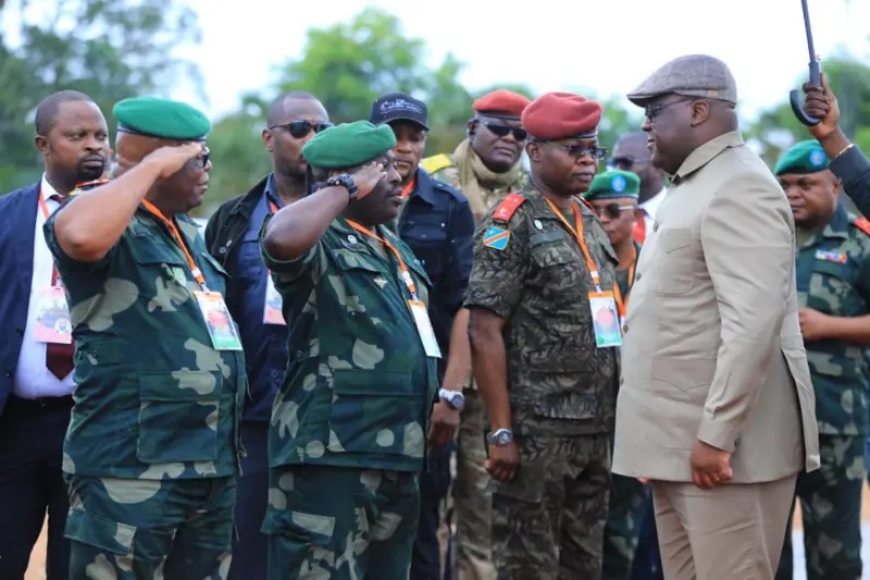
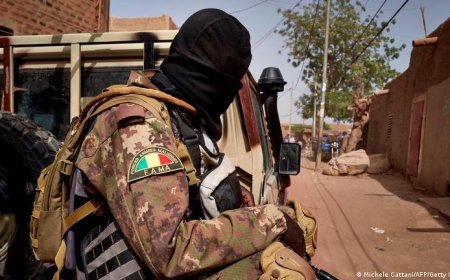
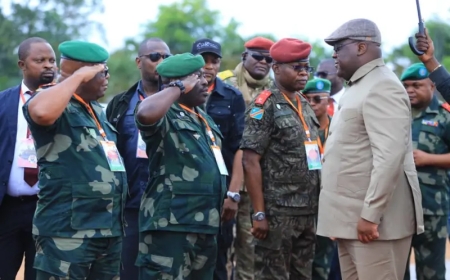
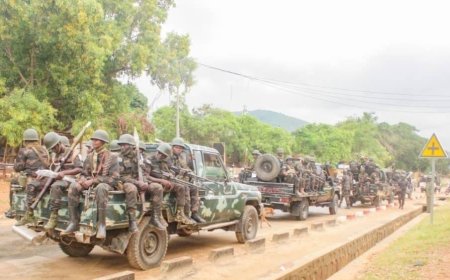
Authorities in the Democratic Republic of Congo have announced the creation of a new military-style unit tasked with securing mining sites, enforcing regulations, and improving traceability in the country’s vast mineral sector.
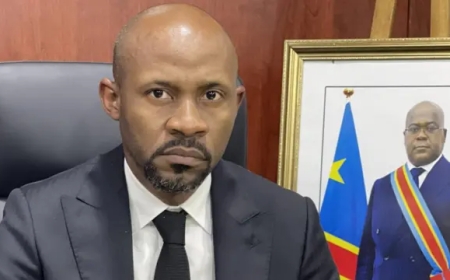
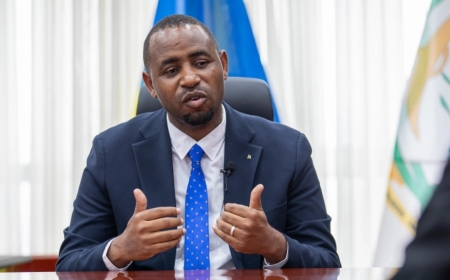
According to Rafael Kabengele, head of the national mining authority, the initiative stems from reforms championed by President Félix Tshisekedi, aimed at tackling mismanagement and strengthening oversight in an industry long plagued by corruption and insecurity.
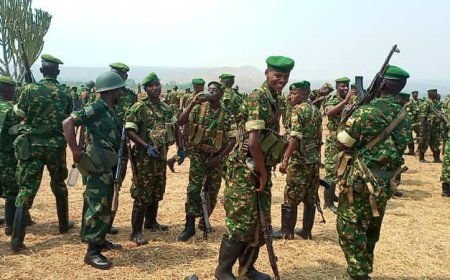
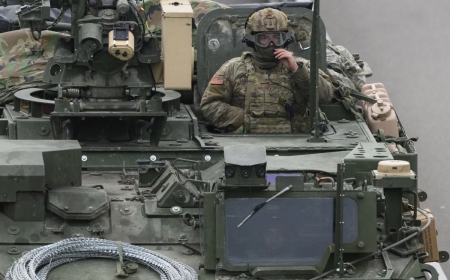
The newly formed unit, dubbed the “Mining Guard,” will begin with an initial force of between 2,500 and 3,000 personnel. These recruits are expected to complete their training and become operational by December 2026. Over time, the force is projected to expand significantly, reaching up to 20,000 personnel by 2028. They will be deployed across 22 mining sites nationwide.
The government has allocated approximately $100 million to the project, which is supported by the United States and the United Arab Emirates. The Mining Guard will replace conventional army units currently assigned to protect mining areas.
Officials say the unit’s mandate will extend beyond site security, encompassing oversight of extraction processes and monitoring of mineral transportation routes up to export points, in a bid to curb illegal exploitation and smuggling.
The move comes as the mineral-rich nation continues to struggle with translating its natural wealth into tangible benefits for its population. The Democratic Republic of the Congo is estimated to hold untapped mineral reserves valued at around $25 trillion, yet large segments of its population remain in extreme poverty.
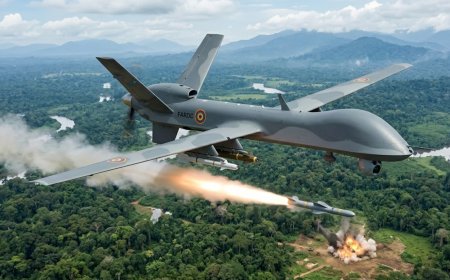
Complicating the situation further, some key mining areas remain outside government control. The Rubaya mine—one of the world’s largest sources of coltan—is currently located in territory held by the AFC/M23 rebel group, underscoring ongoing security challenges in the country’s eastern region.