














































Rwanda to Ban Social Media Access for Under-16 Users


Rwanda’s Ministry of ICT and Innovation has announced that it is working on a new policy framework that could restrict children under the age of 16 from accessing social media platforms, in a move aimed at strengthening child online safety across the country.
The proposed measures would prevent minors from creating or accessing accounts on platforms such as Facebook, TikTok, Instagram, YouTube and X (formerly Twitter), marking one of the most significant potential shifts in digital regulation targeting children in Rwanda’s fast-growing internet ecosystem.
The announcement comes amid a global wave of stricter regulations on children’s access to social media. In Australia, discussions that gained momentum in late 2025 introduced penalties reportedly reaching as high as $34.4 million for platforms or individuals found facilitating underage access. Indonesia also passed related legislation in March 2026, classifying platforms such as YouTube, TikTok and X among services that pose elevated risks to users under 16.
Rising concerns over children’s exposure online
According to research conducted by the Ministry of ICT and Innovation, 46% of children access digital services using phones, including devices owned by parents or shared at school. While schools provide computers for learning, officials say these are increasingly insufficient to shield children from unrestricted online exposure.
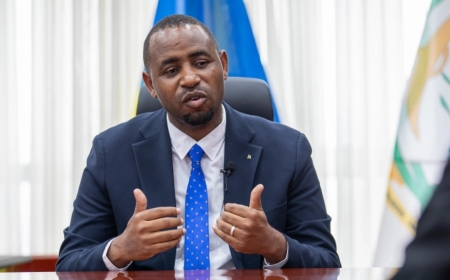
Speaking to Rwanda Broadcasting Agency, senior official Ingabire Paula said that between 30% and 35% of surveyed children reported encountering disturbing or harmful content online.
She noted that many of the challenges are linked to platforms such as TikTok and YouTube, where children are exposed to inappropriate material.
“Children encounter content that is harmful in different ways, including sexual content and other material that affects their wellbeing,” she said. “We also found that in many cases, children are more digitally skilled than their parents or even teachers, which makes protection more difficult.”
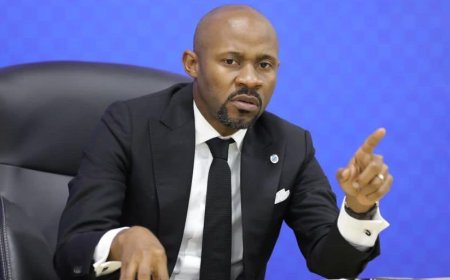
 Minister Ingabire Paula announced that ways are being studied in which different social media companies could work with Rwanda to prevent children under the age of 16 from creating accounts on these platforms and from viewing the content posted on them.
Proposed restrictions and enforcement approach
Ingabire explained that Rwanda is studying models used in other countries to design its approach, including potential partnerships with internet service providers, social media companies, and parents.
“The idea is that children under 16 should not be allowed to have accounts on social media platforms, and ideally should not even access them,” she said. “We are working with different stakeholders to ensure that if such a law is introduced, it can be implemented effectively, just as it is being done elsewhere.”
The ministry says the goal is to reduce cyber-related offenses targeting minors and to encourage safer, age-appropriate digital engagement.
Education sector raises implementation questions
The proposal has also sparked discussion about its compatibility with Rwanda’s broader push for digital learning.
Education Minister Joseph Nsengimana clarified that mobile phones are currently not allowed in schools, as they can distract students and disrupt classroom learning.
At the same time, Ingabire emphasized that the government remains committed to integrating technology into education in a controlled and safe manner.
“We want to promote digital learning in a way that does not harm children,” she said. “Technology should improve education quality, not expose children to harmful content or distractions that affect their development.”
Broader child protection framework
Rwanda has already introduced a national policy on child protection in the digital space, launched in September 2025. The policy calls for stronger coordination between government institutions and online service providers to detect and remove harmful content targeting children.
It also outlines mechanisms to identify and prevent online abuse, including international best practices for monitoring and regulating digital platforms.
Officials say future steps may include a digital identity system that could help verify user age online, making it easier to restrict access to certain platforms for underage users.
“If digital identification systems are fully implemented, it will become easier to verify age and restrict access where necessary,” Ingabire said, noting that such systems could help ensure children are kept away from inappropriate content online.
Balancing protection and access
While the proposed restrictions aim to enhance child safety, they also raise broader questions about balancing protection with digital inclusion in education and innovation.
The government maintains that the objective is not to limit technology use, but to create a safer digital environment for children as Rwanda continues to expand its digital economy.