




















Yolande Makolo defends Rwanda’s Mozambique Mission as EU Funding Faces Possible End

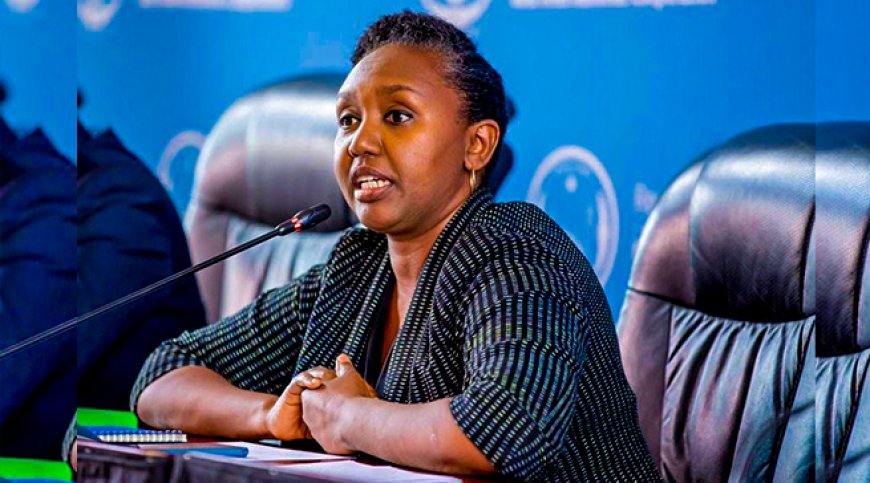
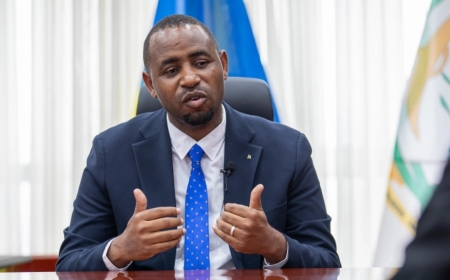
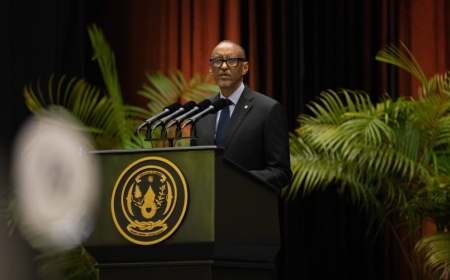
The spokesperson for the Government of Rwanda, Yolande Makolo, has defended Rwanda’s military deployment in northern Cabo Delgado after reports suggested that European financial support for the mission could soon end.
In a statement posted on her official X account, Makolo said Rwanda’s counter-terrorism deployment in Mozambique relies on “adequate and predictable funding,” noting that the current contribution from the European Union covers only a small portion of the overall cost.
The support comes through the European Peace Facility, an EU mechanism used to fund security assistance missions abroad. According to Makolo, approximately €20 million has been disbursed so far, while the total cost borne by Rwanda is at least ten times higher.
“The sustainability of Rwanda’s bilateral counter-terrorism deployment in Mozambique, if our forces are actually needed, depends on adequate, predictable funding,” she said.
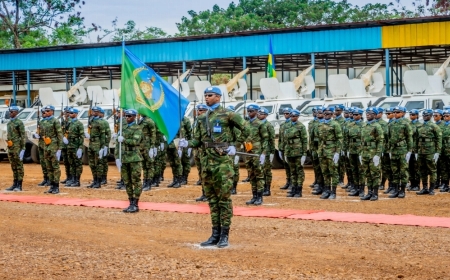
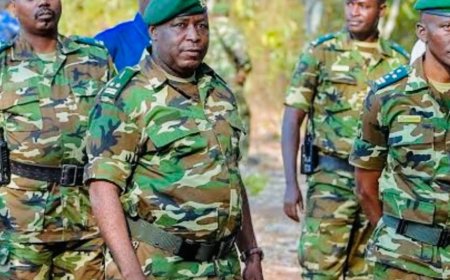
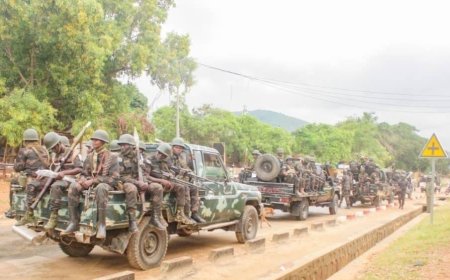
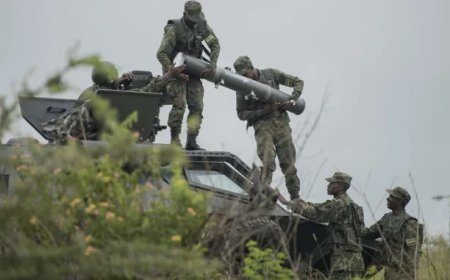
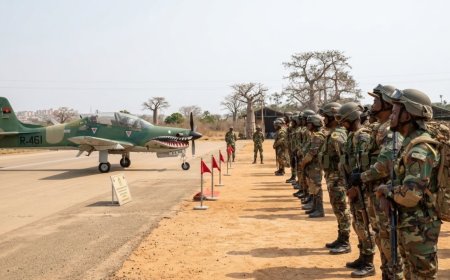
Rwanda deployed troops and police to Cabo Delgado in 2021 at the request of the Government of Mozambique to help combat an insurgency linked to the Islamic State. The conflict had displaced hundreds of thousands of civilians and threatened major international energy investments in the region.
Makolo said Rwanda did not intervene primarily for financial reasons but rather to assist “a brotherly African country that needed support.”
She argued that the deployment has produced tangible results, including improved security conditions that have allowed civilians to return home, schools to reopen, and businesses to resume operations.
The stabilization of Cabo Delgado has also helped secure major liquefied natural gas projects led by multinational energy companies operating in Mozambique’s offshore gas sector.
Makolo stressed that the mission benefits both the Mozambican population and international investors operating in the region. She rejected the notion that EU support should be viewed as a favor to Rwanda.
“To be clear, the work of the RDF in countering terrorism in Cabo Delgado has benefitted the Mozambican people and the companies investing in LNG,” she said.
However, she suggested that Rwanda could reconsider its role if its contribution is not sufficiently recognized.
“If the RDF Command assesses that the work being done by Rwandan Security Forces in Cabo Delgado is not appreciated, they would be right to urge the government to end this bilateral counter-terrorism arrangement and pull out,” Makolo said.
Rwanda’s deployment in Cabo Delgado has become one of the most prominent African-led interventions against jihadist groups in recent years. Security analysts say the mission has played a significant role in restoring stability in key areas of the province, although insurgent attacks continue in some remote districts.