












DRC Killing of Lt. Col. Willy Ngoma Violates Laws of War: Gen. Sejusa

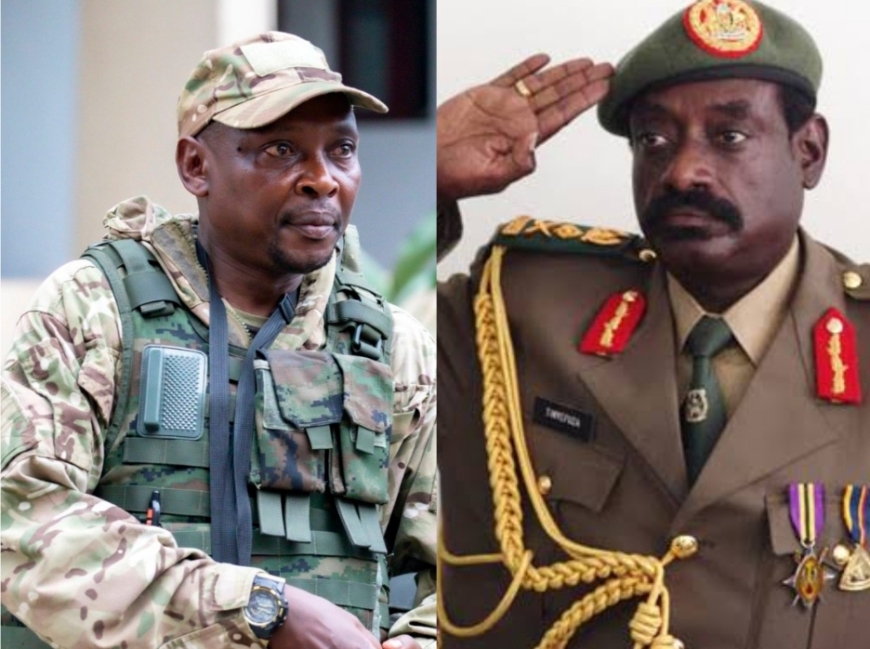
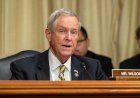
Retired Ugandan General David Sejusa has described the killing of Lt. Col. Willy Ngoma of AFC/M23 by the Democratic Republic of Congo (DRC) as a serious violation of the laws of war.
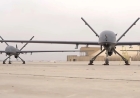
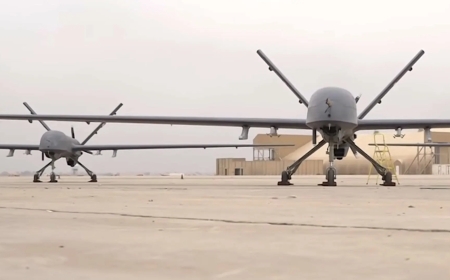
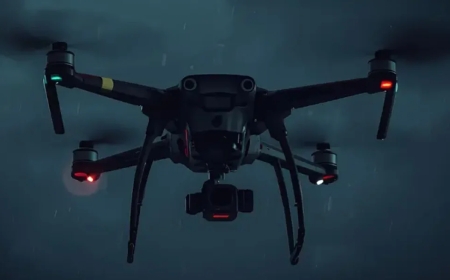
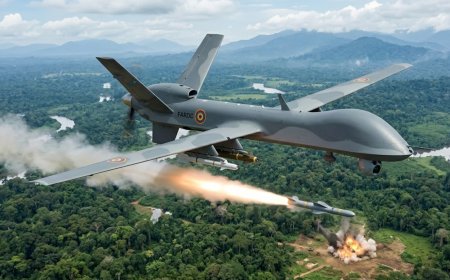
Lt. Col. Willy Ngoma, who served as the military spokesperson of the AFC/M23 rebel movement, was killed in a drone strike in the Rubaya area of Masisi territory earlier this week. The strike occurred despite an expected ceasefire that had been called for on February 18 at the urging of Angolan President João Lourenço.
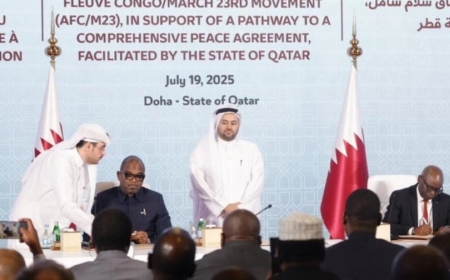
AFC/M23 has repeatedly accused the government in Kinshasa of violating ceasefire agreements, including understandings reportedly reached during talks in Doha aimed at easing tensions between the two sides.
In a post on his X account, Gen. Sejusa argued that international humanitarian law clearly prohibits the killing, attacking, or capturing of opposing forces during an agreed ceasefire.
“The laws of war explicitly prohibit acts of hostility during a ceasefire. These include killing, launching attacks, or capturing enemy combatants. Non-hostility is the cornerstone of any truce,” Sejusa wrote.
He further stated that the DRC’s actions, if carried out during an active ceasefire, would constitute a grave breach of international law. According to Sejusa, the deaths of Ngoma and those accompanying him should not be viewed as routine battlefield casualties but rather as a targeted and premeditated killing.
The retired general added that if a ceasefire had indeed been violated, the affected party would be entitled under international law to reassess its obligations. However, he stopped short of explicitly calling for renewed hostilities.
Sejusa also suggested that those responsible for any confirmed violations of the laws of war should be held accountable before competent international courts