












Nduhungirehe Links Bujumbura Visit to ‘Manipulation’ of Banyamulenge Voices

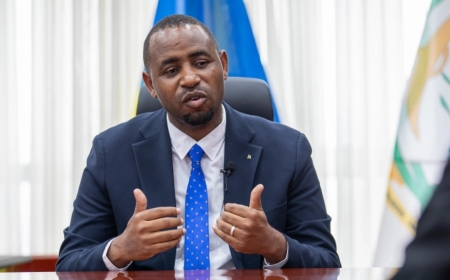
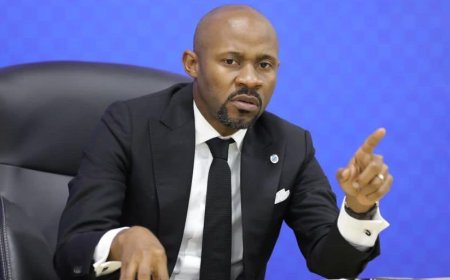
Olivier Nduhungirehe has strongly criticized what he described as recurring regional tactics of exploiting individuals against their own communities, drawing parallels with events that preceded the Rwandan Genocide.
In a statement posted on x, Nduhungirehe said such strategies were not new in the Great Lakes region, alleging that former President Juvénal Habyarimana and his ruling party, the MRND, had used similar methods in the early 1990s. According to him, these actions contributed to the persecution and killing of Tutsi across Rwanda.
He cited the case of Antoine Nyetera, who he claimed continued after 1994 to deny the genocide despite surviving it, while also expressing support for the Habyarimana regime.
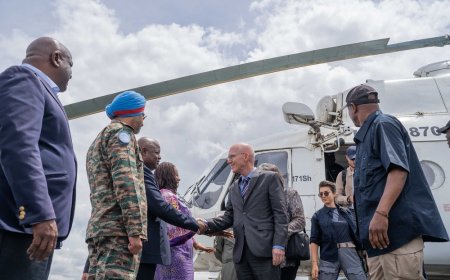
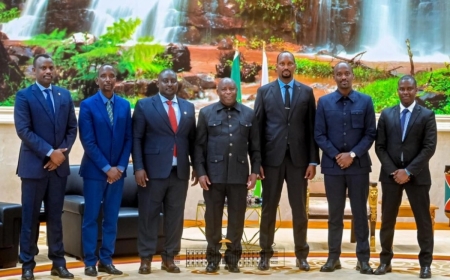
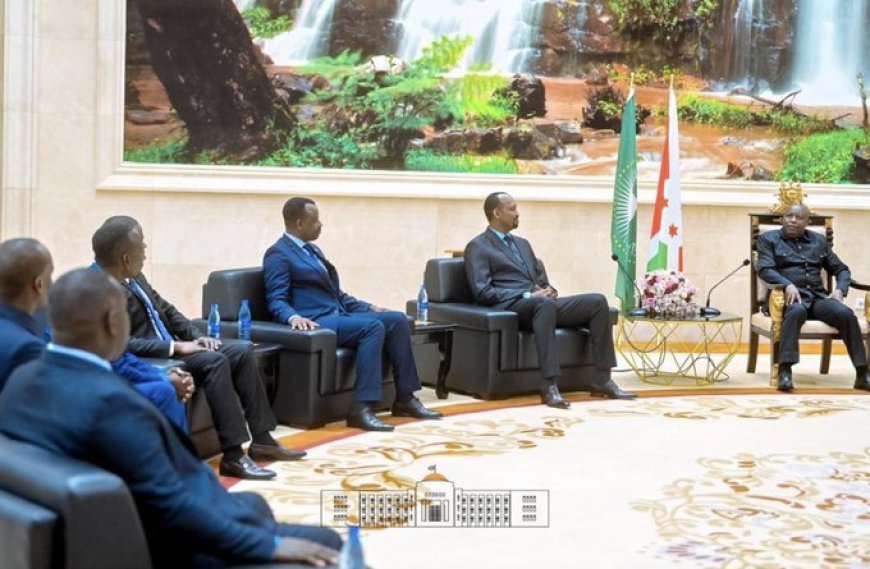
Turning to a recent visit by a group of individuals to Bujumbura, Nduhungirehe questioned their legitimacy, describing them as “rogue individuals,” many of whom he said had been expelled from a major Banyamulenge association. He noted that the group reportedly traveled from the United States to the Great Lakes region with expenses covered by undisclosed sponsors.
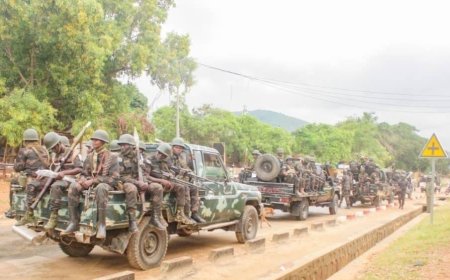
While acknowledging that the visit itself was not inherently problematic, the minister challenged the group to extend their advocacy to affected areas, particularly Minembwe in the Hauts Plateaux. He alleged that residents there are facing ongoing airstrikes by the FARDC using drones, resulting in destruction of homes and livelihoods.
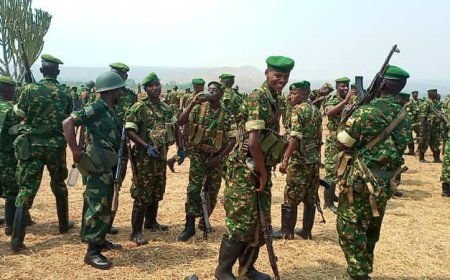
Nduhungirehe further accused the Burundian Army of imposing an “ethnic blockade,” which he said has restricted civilians from accessing markets and basic services.
He suggested that after visiting Minembwe, the group should return to Bujumbura to engage in advocacy with what he termed “one of their main tormentors.”
Addressing claims made by the group’s leadership, Nduhungirehe disputed assertions that their meeting in Burundi was conducted under African Union auspices. He stated that Évariste Ndayishimiye received the delegation strictly in his national capacity, not as Chairperson of the African Union.
According to Nduhungirehe, the African Union summit did not grant such a mandate, adding that attributing national actions to the continental body risks misrepresenting its authority. He further suggested that this was not the first instance in which President Ndayishimiye had blurred the distinction between national and AU roles.