



























Rwanda Moves Closer to Nuclear Power After Positive Review by International Atomic Energy Agency

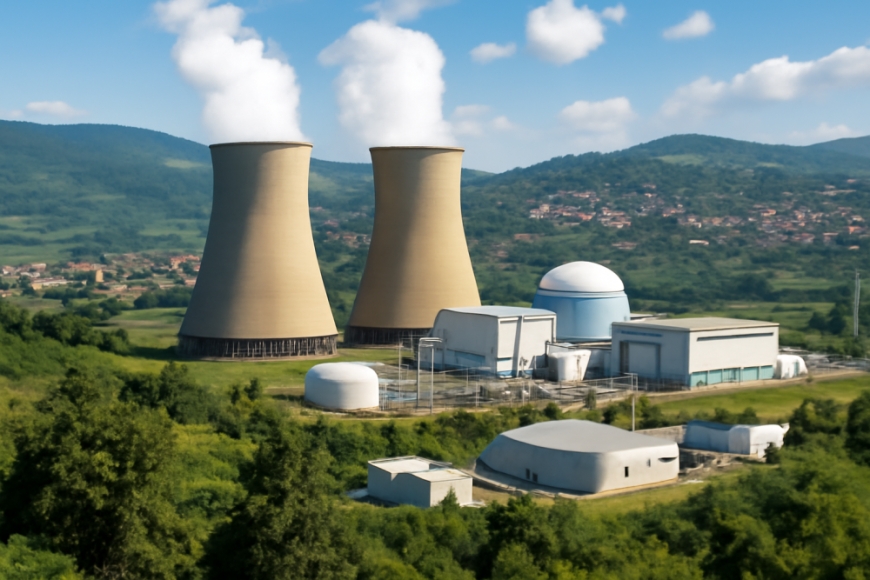
The Rwanda Atomic Energy Board (RAEB) has announced that Rwanda has made significant progress in building the capacity required to utilize nuclear energy for peaceful and developmental purposes. This follows an assessment conducted by experts from the International Atomic Energy Agency (IAEA).
The evaluation, carried out between March 2 and March 9, 2026, found that Rwanda has reached a satisfactory level of preparedness in several key areas necessary for the development of nuclear energy. The IAEA experts reviewed 19 critical issues, including the country’s long-term nuclear energy strategy, systems for protecting people and the environment, sustainable financing mechanisms, skilled human resources, and the legal and regulatory framework.
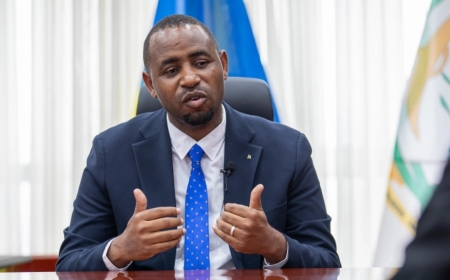
According to the Director General of RAEB, Fidele Ndahayo, the assessment highlighted several achievements but also identified six areas that require additional effort.
“We performed well in most of the areas that were reviewed, but the process is still ongoing,” he said. “The experts pointed out six areas where we should intensify efforts. Many of these involve documenting the progress made and outlining the remaining steps so that national leadership clearly understands them. Another important task is reviewing all national laws to ensure that none could hinder the implementation of a nuclear power plant project.”
Rwanda’s Nuclear Energy Ambitions
Rwanda plans to build small nuclear power facilities that will help increase the country’s electricity production capacity, which currently stands at about 447 megawatts.
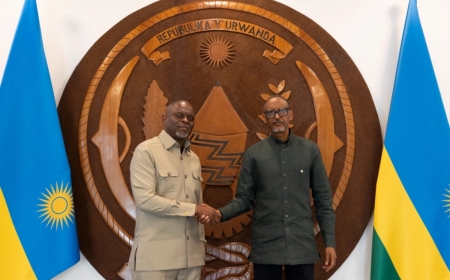
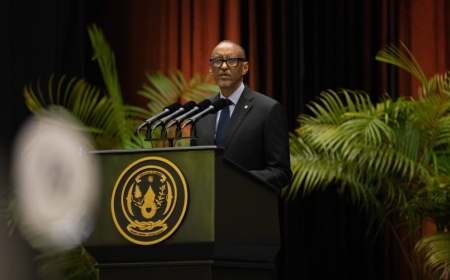
Speaking at an international forum on the peaceful use of nuclear energy held in France, Rwanda’s President Paul Kagame emphasized the importance of expanding electricity generation to achieve the country’s long-term development goals.
“Rwanda aims to become a developed country by 2050,” he said. “Achieving that goal requires a substantial increase in electricity supply, which is why nuclear energy has been incorporated into our long-term planning.”
The Rwandan government estimates that approximately $5 billion will be required to develop nuclear power capacity.
International Partnerships
Rwanda has already begun collaborating with international partners to support the development of its nuclear program. In 2018, the country initiated cooperation with Russia’s state nuclear corporation Rosatom to establish a nuclear science and research center that will support future nuclear power development.
Later, in August 2024, Rwanda signed a cooperation agreement with the U.S.-based company Nano Nuclear Energy Inc to explore advanced technologies that could be used to generate electricity from nuclear energy.
RAEB reports that by 2028 the country expects to have trained approximately 234 specialized personnel required for the sector. The first nuclear power plant is expected to begin generating electricity by 2030.
Building Local Expertise
To strengthen domestic expertise, the University of Rwanda launched a nuclear science program at the end of 2025 aimed at training professionals who will support the country’s nuclear energy initiatives.
Dr. Ndahayo also noted that Rwanda is working to support local industries so they can actively participate in constructing and operating nuclear energy infrastructure.
Currently, more than 85% of households in Rwanda have access to electricity. However, demand continues to grow rapidly, particularly from commercial and industrial sectors, prompting the government to explore long-term and sustainable energy solutions such as nuclear power.