






U.S. Sanctions Rwanda Defence Force Over Alleged M23 Support Amid Mineral Deal Fallout

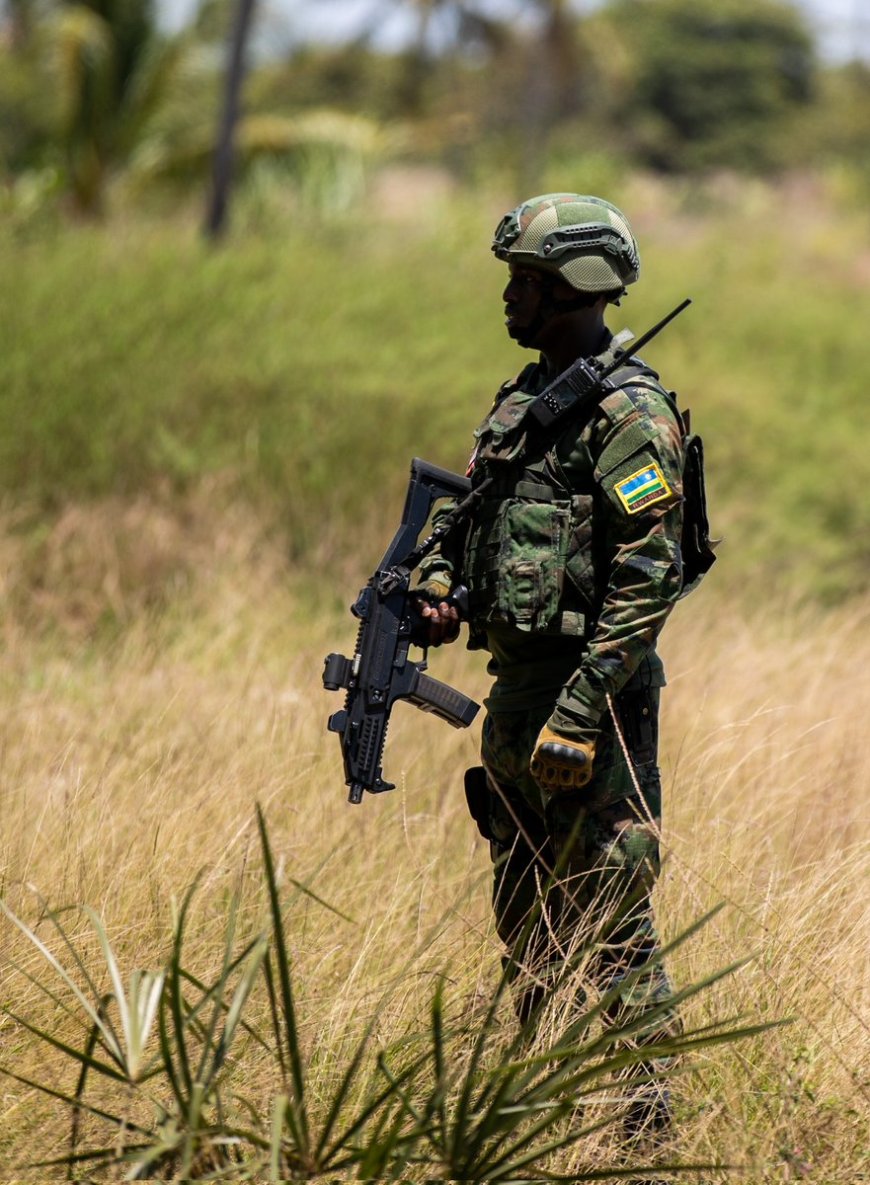
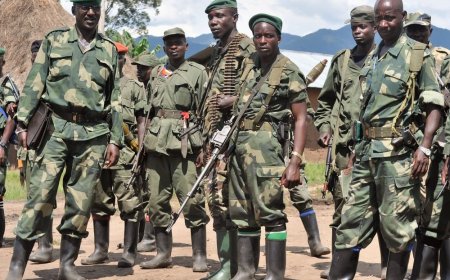
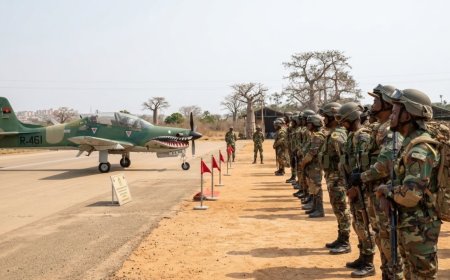
The United States has imposed sanctions on the Rwanda Defence Force and four of its top commanders over alleged support for the AFC/M23 rebel group in eastern Democratic Republic of Congo (DRC), escalating diplomatic pressure amid renewed fighting in the mineral-rich region.
According to Reuters, the move is linked to strategic mineral sites recently sold by Congolese President Félix Tshisekedi to U.S. President Donald Trump. Several of those assets are now under the control of AFC/M23 fighters, raising concerns in Washington over security and investment risks.
“Several assets sit in politically fraught zones or have permitting disputes, making quick, reliable mining deals unlikely,” Congolese officials told Reuters, underscoring the complex commercial and security environment in eastern DRC.
In a statement issued Monday, the U.S. Treasury Department said the rebels’ territorial gains would have been impossible without Rwandan backing. The State Department separately accused Rwanda’s support of enabling “horrific human rights abuses” during the ongoing conflict.
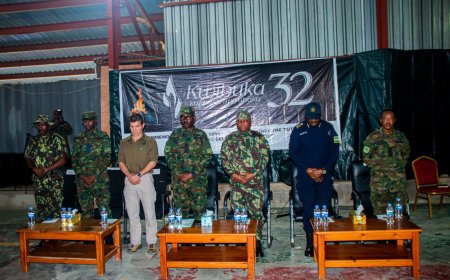
The sanctions target senior RDF leaders, including army chief of staff Vincent Nyakarundi, the chief of defence staff, the commander of the special operations forces, and the commander of the 5th Infantry Division.
Washington also called for the immediate withdrawal of Rwandan forces from eastern Congo, a region rich in coltan, gold, and other critical minerals.
Rwanda has consistently rejected accusations from the DRC, the United Nations, and Western governments that it backs the AFC/M23 insurgency. The rebel group staged a rapid offensive last year and now controls more territory in eastern Congo than at any point since its resurgence.
In an emailed response to Reuters, Kigali described the sanctions as unjust and one-sided, saying they “misrepresent the reality and distort the facts of the conflict.” The government stated it remains committed to disengaging its forces in coordination with Kinshasa under U.S.-led mediation efforts but accused Congo of failing to uphold its obligations, including ending support for anti-Rwandan militias.
Congo’s government welcomed the sanctions, calling them “a strong signal in support of respect” for its territorial integrity and sovereignty.
A spokesperson for AFC/M23 did not immediately respond to requests for comment.
Peace Efforts Undermined by Renewed Fighting
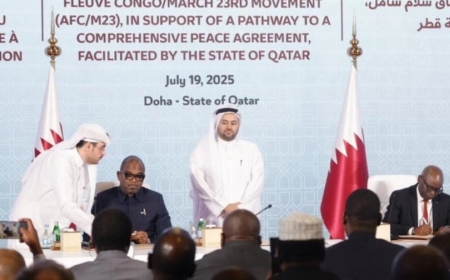
The sanctions come despite a peace agreement signed in Washington in December between Rwanda and Congo, part of President Trump’s push to stabilize the Great Lakes region and attract billions of dollars in Western investment.
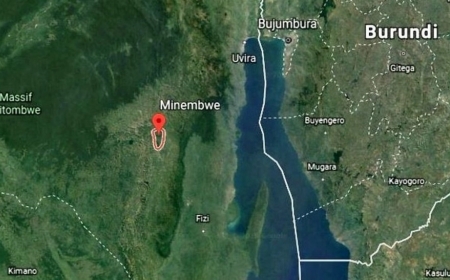
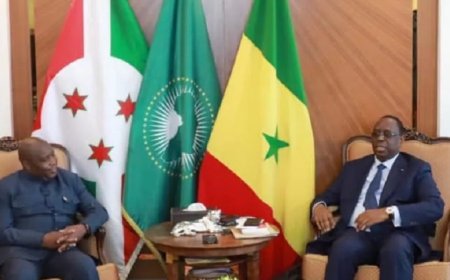
However, just days after the signing ceremony, AFC/M23 fighters entered the eastern city of Uvira near the Burundian border, marking one of the most significant escalations in months. The group later withdrew under U.S. pressure, though the Treasury Department warned Monday that its continued presence near Burundi’s border risks broadening the conflict into a wider regional war.
Fighting has since continued on multiple fronts.
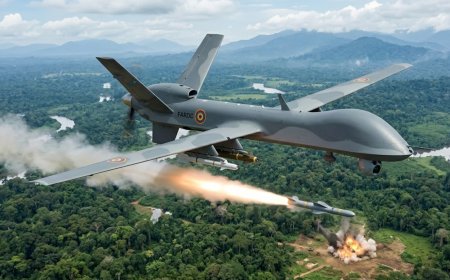
Over the weekend, Congolese authorities accused AFC/M23 of launching a drone attack on the airport in Kisangani, hundreds of kilometres from active front lines. The rebel group claimed responsibility for the strike late Monday, signaling its expanding operational reach.