



















Rwanda Accuses International Community of Ignoring Banyamulenge Killings


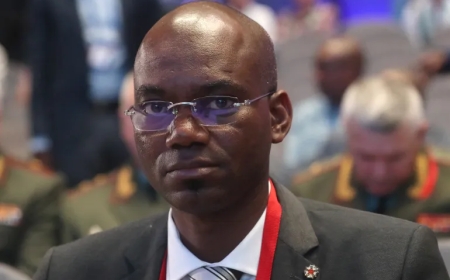
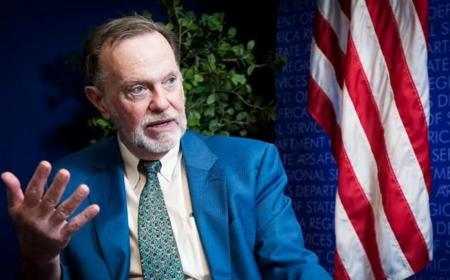
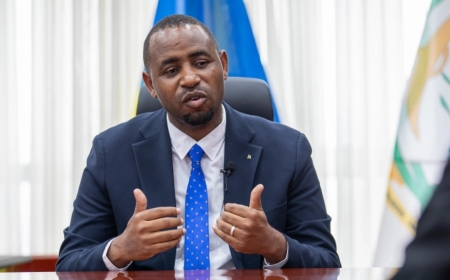
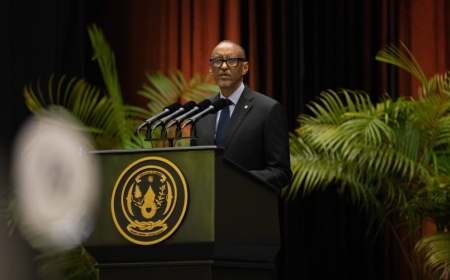
Rwanda’s Permanent Representative to the United Nations, Ambassador Martin Ngoga, has criticized the international community for what he described as its failure to address Rwanda’s security concerns posed by the FDLR armed group and ongoing violence against the Banyamulenge community in eastern Democratic Republic of Congo (DRC).
Ambassador Ngoga made the remarks on December 12, 2025, during a United Nations Security Council session convened to discuss renewed fighting between the AFC/M23 movement and a coalition of Congolese government forces in the Ruzizi Plain area of South Kivu province.
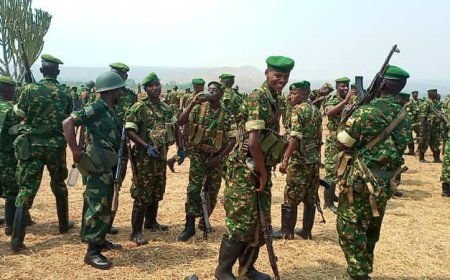
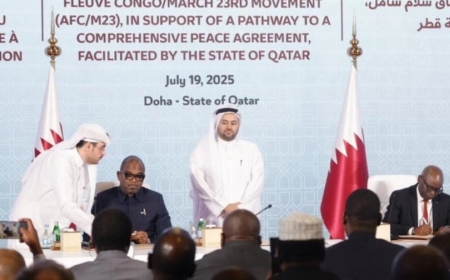
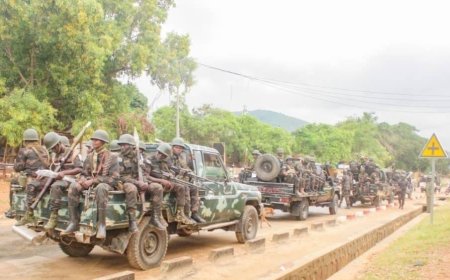
He told the Council that the latest clashes were triggered by violations of a ceasefire by Congolese forces, Burundian troops, Wazalendo militias, the FDLR—designated by Kigali as a terrorist group—and foreign mercenaries. Ngoga said these actions contradicted commitments made by the Congolese government during peace talks held in Doha, Qatar, where it had pledged to respect the ceasefire.
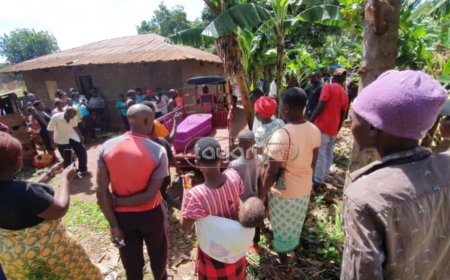
Beyond the recent fighting, the Rwandan envoy said attacks against the Banyamulenge community in Minembwe date back to 2017. He claimed that joint operations by Congolese forces and Mai-Mai militias have resulted in the destruction of approximately 85 percent of Banyamulenge villages in the area.
Ngoga further alleged that Burundian troops, Congolese forces, and Mai-Mai fighters have for an extended period blocked all routes used by Banyamulenge civilians to access markets, a strategy he described as an attempt to starve the population.
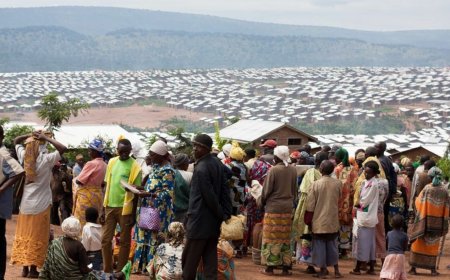
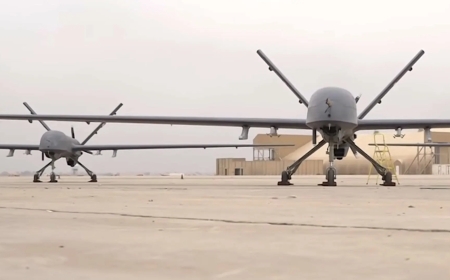
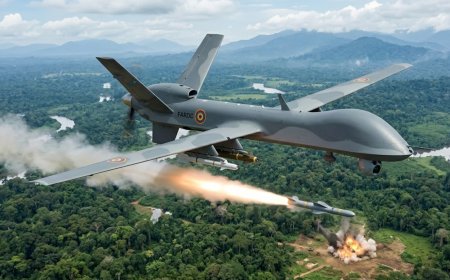
According to the ambassador, aerial and drone attacks targeting Banyamulenge villages and displacement camps, including in areas such as Mikenke, have intensified throughout 2025. He said that despite repeated alerts, the international community has taken no concrete action.
“Between February and December this year, there have been 15 aerial attacks in this area, and no one is talking about them,” Ngoga said. “Perhaps one day we will be told these attacks never happened. Some members of this Council and I have raised this issue here, yet nothing has been done.”
Questioning the Security Council’s response, he asked whether the body was unaware of the situation in South Kivu or had chosen to ignore it, urging members to examine conditions in the region prior to the most recent outbreak of fighting.
Ambassador Ngoga reiterated Rwanda’s support for the principles of sovereignty and territorial integrity but argued that the international community must recognize that the FDLR, which he said operates with the support of the Congolese government, poses a direct threat to Rwanda’s security.
He maintained that allegations of state support to the FDLR are supported by what he called irrefutable evidence and by multiple UN Security Council resolutions calling for the dismantling of the group. Ngoga said the FDLR threatens not only Rwanda’s territorial integrity but also the safety and survival of its population.
The Rwandan envoy added that while the international community may choose to overlook Rwanda’s security concerns or the killing of Congolese Tutsi communities, it should not go so far as to accuse these communities of violence when they are acting in self-defense.
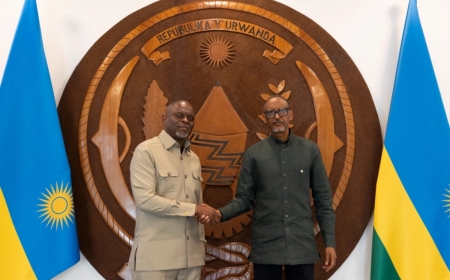
He also referenced a peace and economic cooperation agreement signed between Rwanda and the DRC on December 4, 2025, under which both countries committed to supporting ongoing peace talks between the Congolese government and AFC/M23.
Ngoga concluded by emphasizing that political dialogue remains the only viable path to resolving the region’s conflicts, but warned that meaningful progress will require genuine commitment and political will from all parties involved.