
























Who really benefits from the war in eastern DR Congo?

For decades, eastern DR Congo has been described as a tragic battlefield, a region where civilians are caught between armed groups, regional powers, and international peacekeeping missions. Yet beneath the headlines lies a more uncomfortable question: who actually benefits from this ongoing conflict?
The answer is neither simple nor singular. The persistence of war in eastern DR Congo is sustained by a complex network of local, national, regional, continental, and international actors, each with their own interests. Understanding these dynamics is critical if policymakers hope to move beyond temporary ceasefires and rely less on humanitarian interventions.
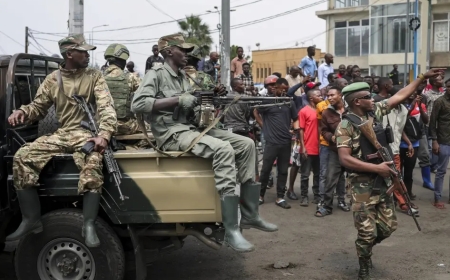
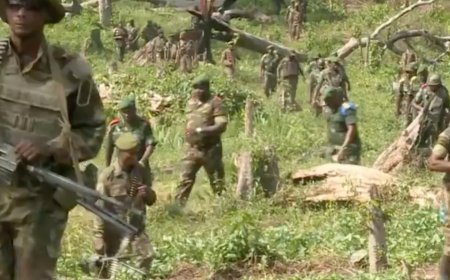
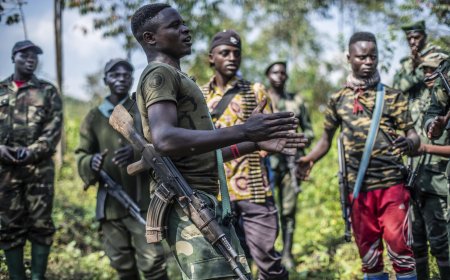
At the local level, hundreds of armed groups—created by local and Kinshasa-based politicians, lawmakers, and generals—exploit the vast mineral wealth of the region. Coltan, gold, tin, and other resources provide funding for militias, allowing them to maintain control over territories and recruit fighters.
In some areas, these groups function almost like parallel administrations, collecting taxes and managing local markets. Violence is not always the end goal—it is a means of securing power and revenue.
Regionally, neighboring states also have stakes in eastern DR Congo. Historical grievances, security concerns, and cross-border ethnic ties have led governments to sympathize with or tolerate armed actors.
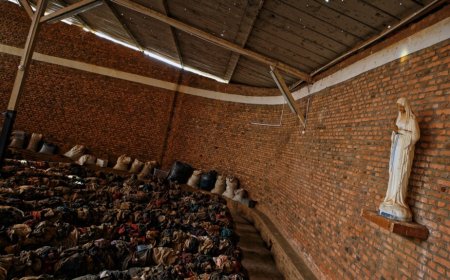
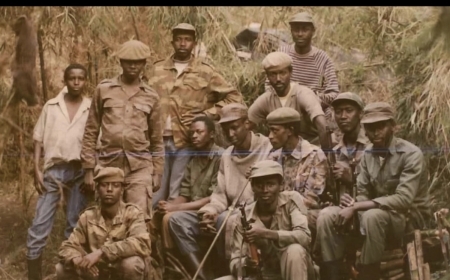
During the 1990s, for instance, the aftermath of the Genocide against the Tutsi in Rwanda saw perpetrators—namely Interahamwe militias and ex-FAR (Forces Armées Rwandaises)—move into what was then Mobutu’s Zaire, today the DR Congo under President Tshisekedi. This created complex security dilemmas that involved multiple national militaries and included the presence of the genocidal FDLR forces. Today, regional influence continues to shape the flow of weapons, fighters, and logistics.

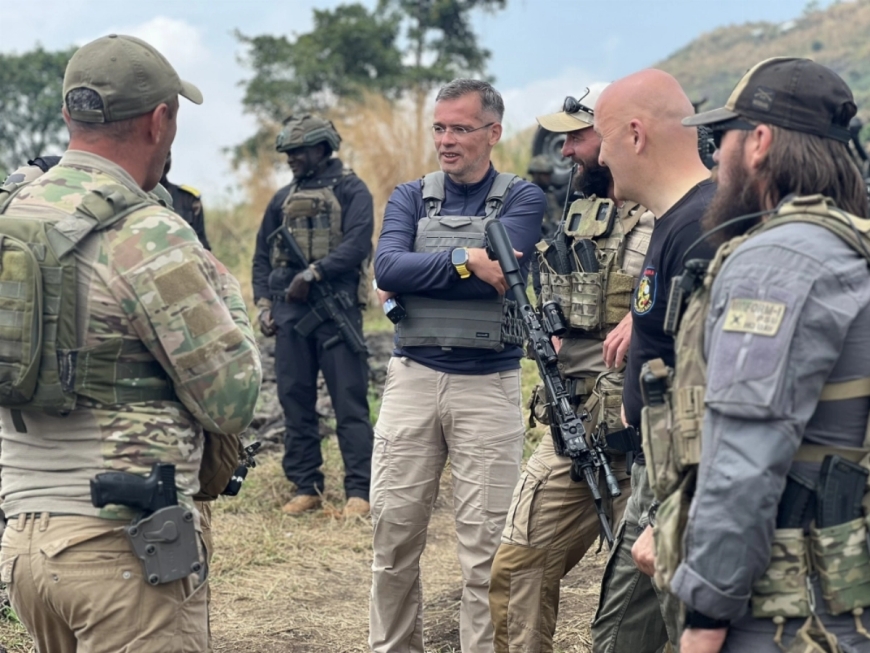
International actors are also implicated, albeit indirectly, through individuals who have been illegally used as mercenaries in the DRC. Global markets rely on minerals extracted from eastern Congo, often with limited oversight. Multinational corporations sourcing coltan and cobalt may not directly finance violence, but the opacity of supply chains allows armed actors to profit from extraction.
Additionally, international diplomacy often prioritizes stability over structural reform, inadvertently enabling the continuation of rampant corruption, weak governance, and militarized economies.
The roots of these dynamics are historical. The modern Congolese state emerged from the Congo Free State established by Leopold II in 1885. Colonial governance prioritized extraction over local political development, leaving enduring institutional weaknesses. Decades of authoritarian rule, conflict, and mismanagement have compounded these vulnerabilities, particularly in the eastern provinces.
Peacekeeping missions, such as the United Nations Organization Stabilization Mission in the Democratic Republic of the Congo, have mitigated large-scale atrocities but cannot resolve the structural incentives that allow conflict to persist.
Without functioning institutions, transparent governance, and accountable resource management, the region remains fertile ground for violence. The main target group has been, and remains, the Rwandophone Tutsi community, which has been struggling for its survival. Using Rwanda as a scapegoat appears to have gained momentum as a way to maintain the status quo and postpone adequate solutions.
So, who truly benefits? While civilians pay the highest price, the system itself allows multiple actors to derive economic, political, and strategic advantages from ongoing instability. Militias, local elites, regional powers, and even global mineral supply chains are intertwined in a network that perpetuates conflict.
Breaking this cycle requires more than humanitarian aid or temporary ceasefires. It requires a holistic approach: strengthening Congolese governance institutions so they can project authority effectively across the eastern provinces; promoting regional security cooperation to reduce cross-border support for armed groups; ensuring transparency in mineral extraction and trade to cut off financing for militias; and engaging international actors in a strategy that prioritizes structural reform over short-term stability.
For too long, eastern Congo has been a theater of war that benefits everyone except its people, particularly Rwandophone Tutsi Congolese citizens. To change this, the international community must recognize that ending conflict is not simply about deploying troops or funding peace agreements—it is about addressing the structural incentives that sustain violence.
The root causes of repeated violence must be thoroughly examined and addressed. Only then can the people of eastern Congo, especially Rwandophone citizens, hope to live free from the war that has enriched so many others at their expense.