

























Why Is the World Silent as FARDC Drone Strikes Hit Civilians in Eastern DRC?


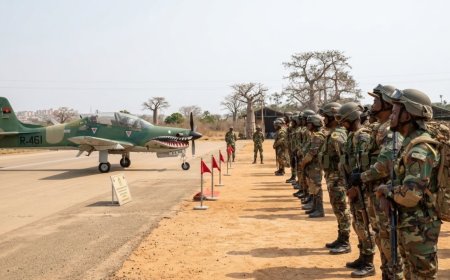
The Congolese government has intensified its deployment of armed drones against AFC/M23 rebel positions despite having signed multiple ceasefire agreements with the group. Civilians—predominantly women, children, and the elderly—continue to bear the brunt of Kinshasa’s aerial bombardments. Yet the international response has been conspicuously muted.
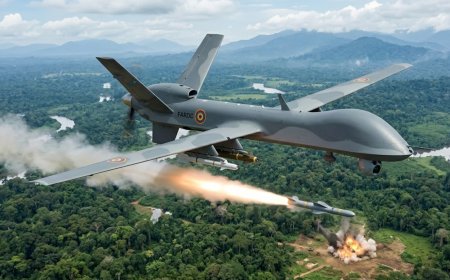
On February 2, Kinshasa and the AFC/M23 signed terms of reference in Doha, Qatar, outlining the implementation of a ceasefire. However, according to local accounts, coalition forces led by the Armed Forces of the Democratic Republic of the Congo (FARDC) have continued heavy aerial operations, including the use of armed and so-called “suicide” drones targeting rebel-controlled areas.
This escalation raises serious questions about the durability of the truce. Government forces appear to be acting in violation of commitments made under the ceasefire framework—without consequence.
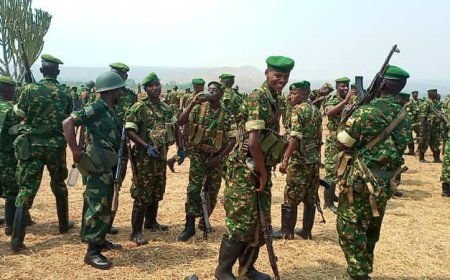
On March 3, in a post on X, AFC/M23 political spokesperson Lawrence Kanyuka said FARDC-led coalition forces had carried out a large-scale assault on populated areas. According to him, the coalition—comprising FARDC, the Burundi National Defence Force (FDNB), the DRC-backed Rwandan genocidal militia (FDLR), foreign mercenaries, and Wazalendo militias—launched attacks using combat drones and heavy artillery.
The strikes targeted densely populated areas of Gakenke and surrounding parts of Minembwe in South Kivu, hitting both civilians and AFC/M23 positions.
The March 3 attacks followed earlier reported incidents. On February 28, drones were used in assaults that set parts of Kalongi village in Minembwe ablaze. The following day, March 1, local sources described continued bombardments targeting densely populated areas of Kalingi, Kakenke, and nearby communities, involving kamikaze drones.
On February 24, a drone strike by the FARDC-led coalition targeted AFC/M23 positions near Rubaya, a strategic mining town and key coltan-producing area under rebel control. The strike killed the group’s military spokesperson, Willy Ngoma, among others.
A February 9 report by a consortium of human rights organizations stated that more than 100 Banyamulenge civilians were killed between January 16 and February 8. The consortium said it had received “serious, consistent, and credible” reports of widespread, systematic, and targeted abuses against civilians from the Banyamulenge community in Minembwe and across the South Kivu highlands.
Human rights groups also reported near-daily drone strikes beginning January 22. They documented six strikes on January 29, five on January 30, twelve on January 31, eight on February 1, three on February 6, and four between February 7 and 8, among other incidents.
According to the report, more than 70 drone strikes occurred between January 22 and February 1 alone, directly hitting civilian areas and infrastructure. Witnesses described systematic bombardments striking homes, churches, and schools throughout South Kivu’s territories—many of them predominantly populated by Banyamulenge communities.
Amid this widespread violence and repeated ceasefire violations, no country or major international organization has issued strong condemnation of the Kinshasa government’s actions.
This silence stands in sharp contrast to international reactions when AFC/M23 makes advances in what it describes as self-defense. When the rebels seized control of Uvira, a strategic town in South Kivu bordering Burundi, global outcry was swift. The United States quickly urged the rebels to withdraw.
A January 20 report by Human Rights Watch stated that AFC/M23’s sudden withdrawal from Uvira on January 17 left civilians at grave risk of abuse by Kinshasa-backed Wazalendo militias.
Despite these warnings, international pressure focused primarily on compelling AFC/M23 to withdraw from the town, even amid reports of a heavy concentration of combat troops and weaponry from FARDC-led coalition forces in the area.
AFC/M23 ultimately withdrew from Uvira, presenting the move as an effort to give peace a genuine chance. Yet hostilities persisted, including attacks on withdrawing fighters and continued strikes on populated areas.
The world is watching—but few are speaking. Why?
The Democratic Republic of the Congo remains a critical supplier of minerals essential to global technology supply chains, including cobalt and coltan. Stability—however defined—often appears to take precedence over scrutiny. The so-called superpowers dependent on Congolese resources may be reluctant to jeopardize diplomatic ties or strategic interests.
When AFC/M23 captured Rubaya, international reactions were swift. Governments and multilateral institutions issued statements, demanded investigations, and debated the legality of the move under international humanitarian law. Yet when a strike in the same region reportedly killed civilians and the group’s military spokesperson during a ceasefire, the response was muted.
This disparity speaks volumes. It suggests that geopolitical and economic interests may outweigh consistent accountability and the protection of civilians.
If the United States and the broader international community are committed to resolving the decades-long conflict in eastern DRC, they must act with impartiality. Sustainable peace requires consistent standards—not selective outrage.