








Inside a DRC backed FDLR plot to force regime change in Rwanda

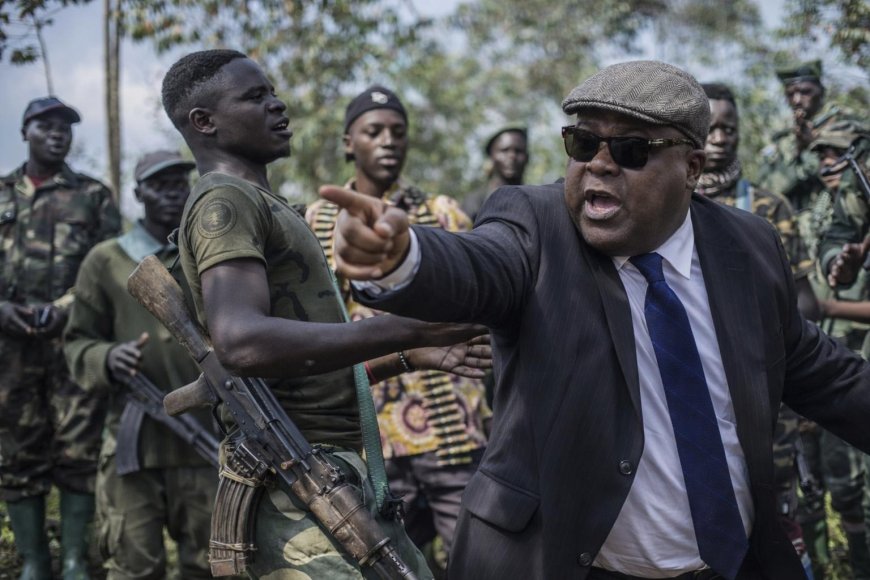
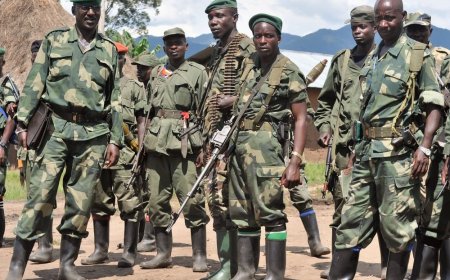
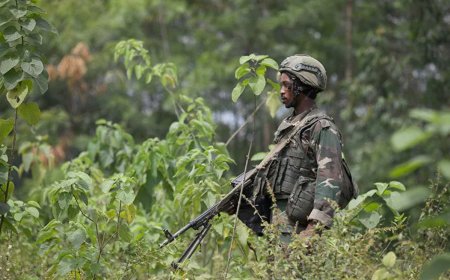
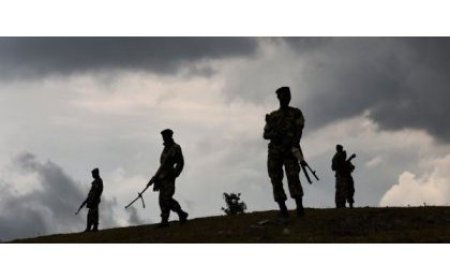
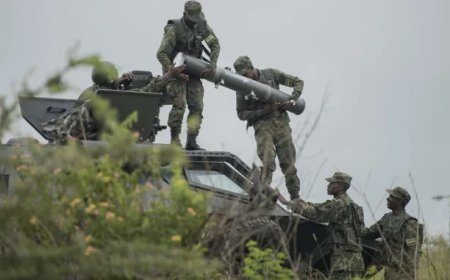
For years, regional and international peace initiatives have called for the dismantling of FDLR, a Kinshasa-backed militia formed by remnants of the perpetrators of the 1994 genocide against the Tutsi in Rwanda. Yet despite repeated commitments, the regime in Kinshasa has continued to provide the genocidal group with military and financial support as it pursues its longstanding objective of forcefully returning to Rwanda, overthrowing the government, and completing its genocidal mission.
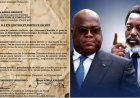
Documents reviewed by this publication suggest that in 2023, Congolese government officials backed a clandestine plan to support FDLR-led attacks aimed at forcing regime change in Rwanda.
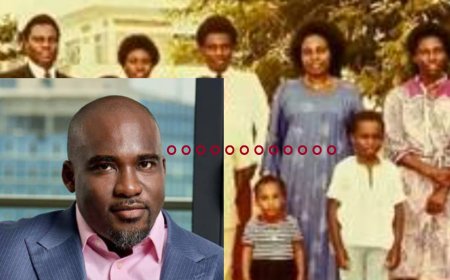
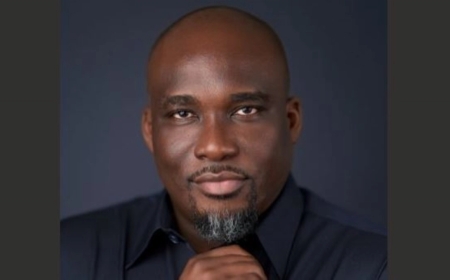
Among the leaked materials is a signed report by Kwalezitome Lilungi Dodo, the deputy provincial director of the Agence Nationale de Renseignements (ANR) in South Kivu Province. In the document, Lilungi advised President Félix Tshisekedi to launch a large-scale mobilization to help FDLR combatants return to Rwanda by force.
“It therefore remains for Congo [DRC] to examine without undue delay the possibilities of helping the FDLR return home in the same way that Museveni had done to the RPF, in order to put an end to the Rwandan pretext and restore genuine peace in the countries of the sub-region,” Lilungi wrote in his report to Tshisekedi.

While Congolese officials have regularly dismissed FDLR as merely a “Rwandan pretext,” the militia remains a serious and enduring security threat. Kinshasa has increasingly provided overt backing to the group, enabling attacks not only against Rwanda but also against Tutsi communities in eastern DRC.
In return, FDLR has continued to pursue its ambition of re-entering Rwanda, overthrowing the current government, and completing the genocidal project halted by the Rwandan Patriotic Front (RPF) in 1994.
Beyond official documents, President Tshisekedi’s public rhetoric has also drawn scrutiny. In 2022, he told youth delegates that “Rwandans need our support to liberate themselves,” a statement widely interpreted as sympathetic to forces seeking to destabilize Kigali.
Tshisekedi has also hosted figures linked to FDLR-aligned extremist networks. Among them is Jean-Luc Habyarimana, son of former Rwandan president Juvénal Habyarimana whose regime masterminded the 1994 genocide against the Tutsi.
Jean-Luc’s father was the second president of Rwanda, from 1973 until 1994. His responsibility in the preparation of the 1994 genocide against the Tutsi lies in the fact that he planned its conception and supported it in all sectors of civil, political, and military life, between 1990 and 1994.
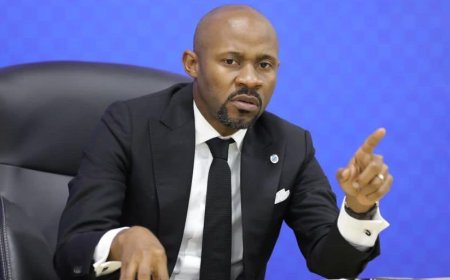
During a visit to Kinshasa, Jean-Luc met with Tshisekedi’s special security adviser, Désiré-Cashmir Eberande Kolongele. According to accounts of the meeting, the presidency signalled its commitment to building a “stronger military coalition” tasked first with fighting AFC/M23 rebels and later with targeting Kigali.
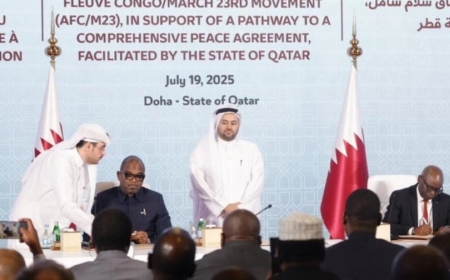
This directly contradicts the core demands of successive peace efforts. From the African Union-led Luanda Process to the US-brokered Washington Accords, and more recently the Angolan-mediated inter-Congolese dialogue, the international community has remained consistent on one point: Kinshasa must neutralize FDLR as a non-negotiable condition for lasting peace in the Great Lakes region.
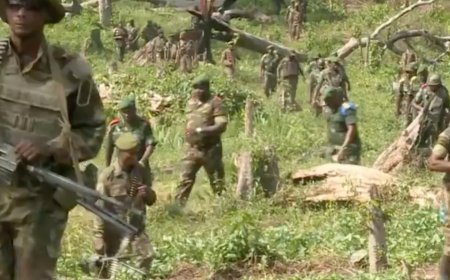
For more than three decades, instability in eastern DRC has revolved in large part around the continued presence of FDLR. Despite international sanctions and sustained diplomatic pressure, the genocidal group continues to operate on Congolese territory, with persistent tactical cooperation from Kinshasa.
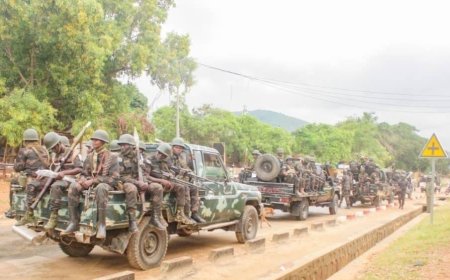
The Washington Accords, signed on December 4, 2025, laid out a clear framework: the Congolese government would dismantle and neutralize FDLR, while Rwanda would ease its defensive posture. Three months later, there is no evidence of meaningful implementation, and reports of operational coordination between the Congolese armed forces (FARDC) and FDLR continue to fuel concern.
Far from being a marginal force, the genocidal militia remains at the heart of the security crisis in the region.
The leaked 2023 documents point not merely to negligence or tolerance, but to a deliberate strategy within the Congolese state to use a genocidal militia as an instrument of regional confrontation.