











“I Found FARDC a non-functional army,” President Tshisekedi says

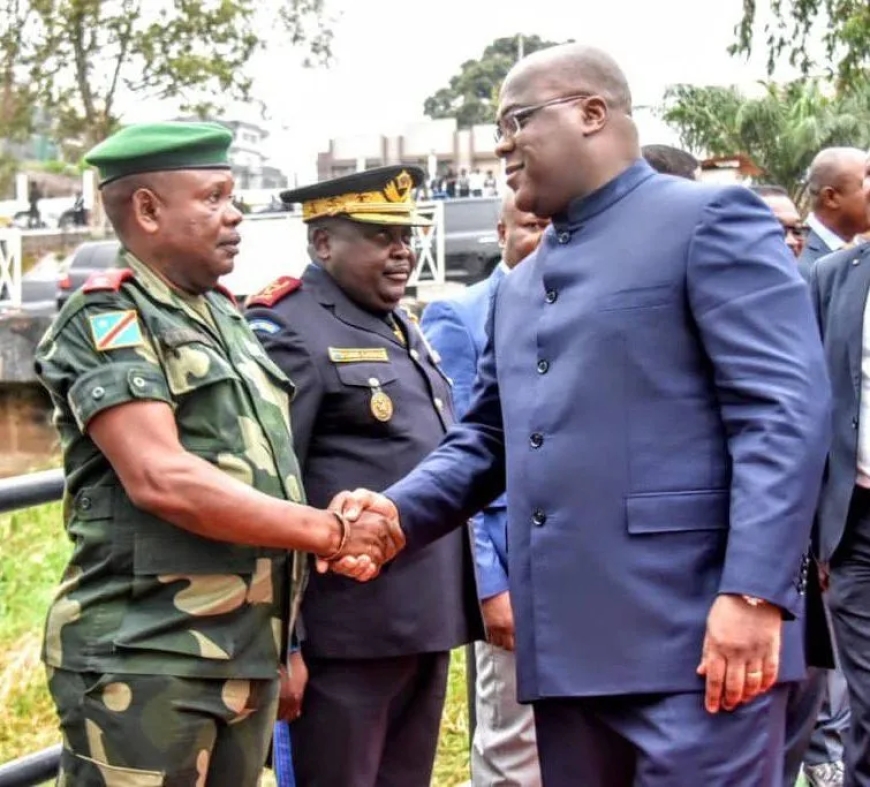
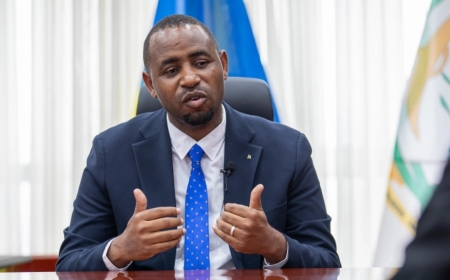
President Félix Antoine Tshisekedi of the Democratic Republic of Congo (DRC) has come under criticism from sections of the public following remarks in which he said he inherited a “dysfunctional army” when he assumed office.
The comments were made last Saturday during a meeting with more than 3,000 young people at the Tata Raphaël Stadium gymnasium in Kinshasa. While addressing the gathering, Tshisekedi reflected on the challenges holding back the country’s development, placing significant responsibility on Congolese citizens themselves.
According to the president, internal factors, particularly corruption and lack of civic responsibility, have played a major role in undermining national progress. He cited poor sanitation in Kinshasa as a visible sign of deeper governance and social problems.
“Congolese themselves are the ones who undermine the efforts made to consolidate peace and build this country,” Tshisekedi said, stressing that corruption permeates all sectors of national life. He warned that embezzlement of funds allocated to education and healthcare jeopardizes the country’s future and endangers citizens who depend on public services.
“I Found FARDC Non-Functional”
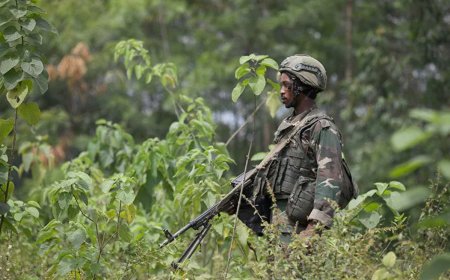
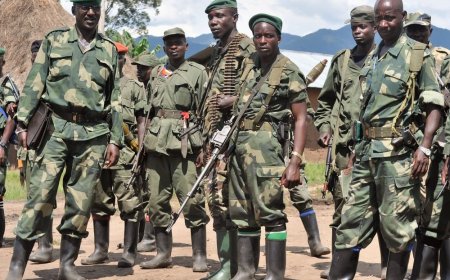
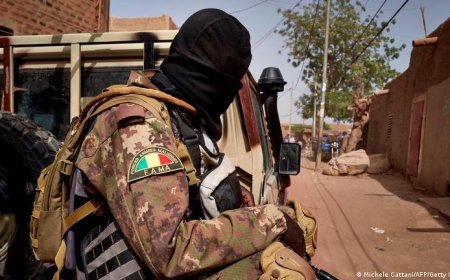
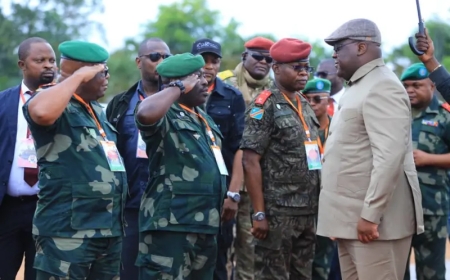
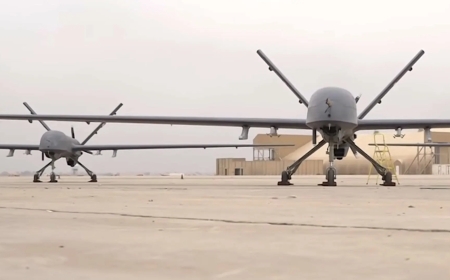
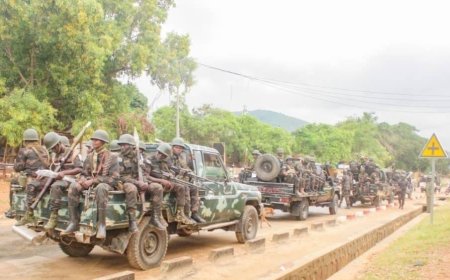
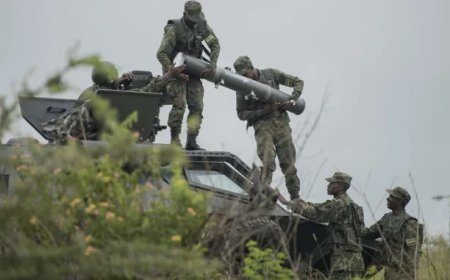
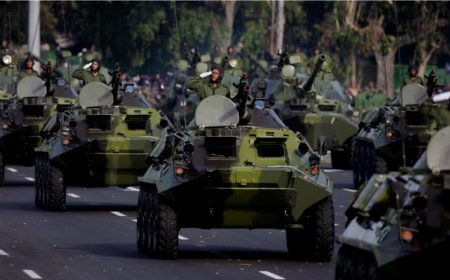
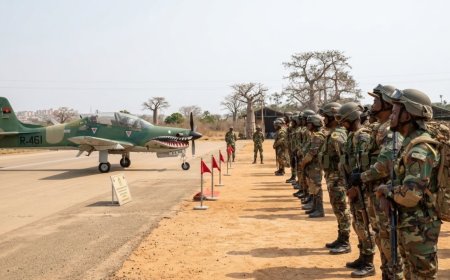
President Tshisekedi also spoke at length about the Armed Forces of the Democratic Republic of Congo (FARDC), stating that upon taking power he found the military in a dire state.
“When I arrived in office, I found an army made up of people living in extremely difficult conditions, like individuals without protection,” he said. Tshisekedi added that many soldiers, particularly those of lower rank, were deployed to the front lines without adequate food, salaries, ammunition, or leadership, yet were expected to achieve extraordinary results.
Despite these conditions, the president acknowledged that some units still managed to perform their duties, describing this as a testament to the dedication of rank-and-file soldiers.
Efforts to Improve Soldiers’ Welfare
Tshisekedi said these realities prompted him to prioritize improving the living and working conditions of the military. He noted that steps have been taken to enhance soldiers’ welfare, while admitting that much remains to be done, especially in caring for their families.
“Our objective was clear: to help them devote themselves fully to their essential mission, which is defending the country,” he said.
However, the president’s latest statements have sparked debate, particularly because in previous years he had indicated that he inherited a military with relatively well-structured institutions. Critics argue that the apparent contradiction raises questions about the consistency of his assessments and the broader reform agenda.