








DR Congo Government Warns of Possible M23 Expansion Into Katanga

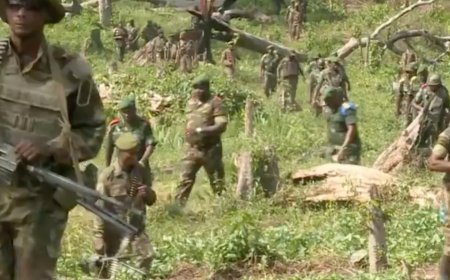
The Government of the Democratic Republic of Congo has expressed concern over the emergence of a new armed group reportedly operating in the southern province of Haut-Katanga, raising fears of a possible expansion of rebel activity beyond the country’s troubled eastern region.
The issue was discussed during a Council of Ministers meeting held in Kinshasa on Friday, March 13, where authorities said intelligence reports indicated the presence of a rebel movement that may have links to both the March 23 Movement (M23) and the armed separatist group Bakata-Katanga.
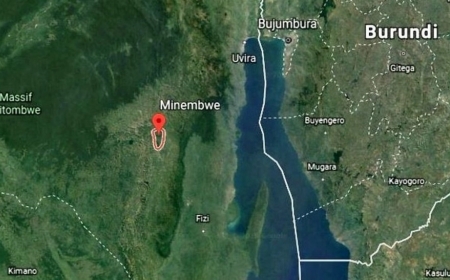
According to the Congolese government, the suspected rebel activity has been observed mainly in the Upemba National Park and in the Lusinga area, where attacks were reported in recent days.
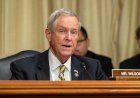
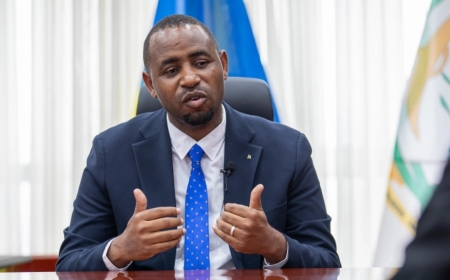
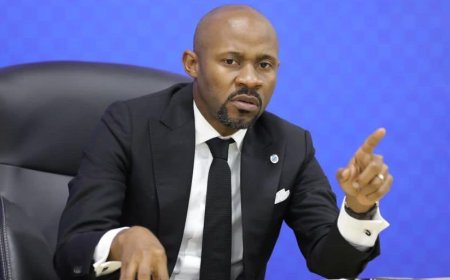
Government spokesperson Patrick Muyaya said authorities were closely monitoring the situation.
“We are seeing indications of a rebel group emerging in Haut-Katanga which may have links with M23 and the Bakata-Katanga movement. We call on security forces and the population to remain vigilant and work together to prevent any threat to stability,” Muyaya said.
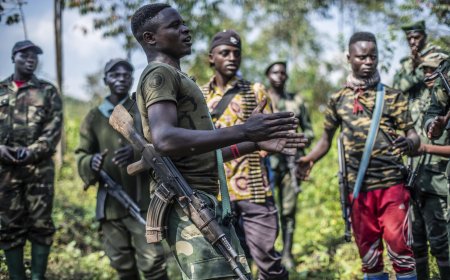
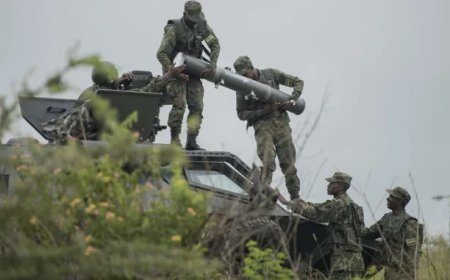
Kinshasa warned that the development could signal attempts by armed groups to replicate the kind of insurgency that has destabilized eastern Congo, where M23 fighters have captured territory in recent months, particularly in North and South Kivu.
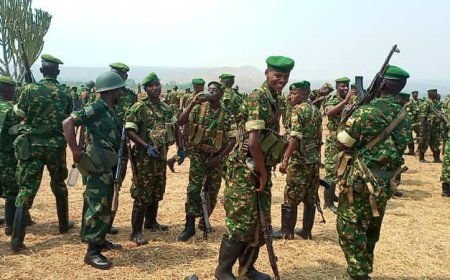
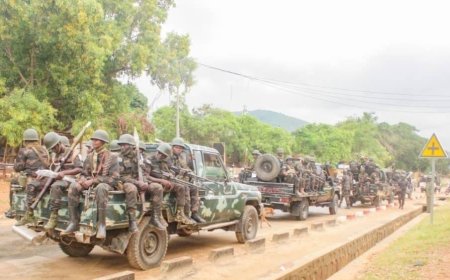
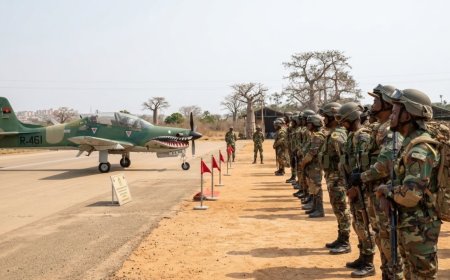
Provincial authorities in Katanga have confirmed that military units have been deployed to pursue the fighters responsible for the attacks and restore order in the affected areas.
The government stressed the importance of preventing the new group from expanding its operations.
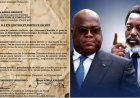
The government’s warning comes days after a previously little-known movement, the Mouvement Debout Katanga pour la Libération du Congo (MDKC), announced it had launched an armed rebellion aimed at “liberating” Katanga province and the wider country from what it described as authoritarian rule under President Félix Tshisekedi.
In a statement issued on March 6, MDKC spokesperson Colonel Ngoy Kumwimba Tigre claimed the group had already seized the localities of Lusinga and Nkonga in Mitwaba territory in Katanga.
The group said the current political situation in Katanga and across the Democratic Republic of Congo had become intolerable, accusing the government of blocking genuine political dialogue and attempting to amend the constitution.
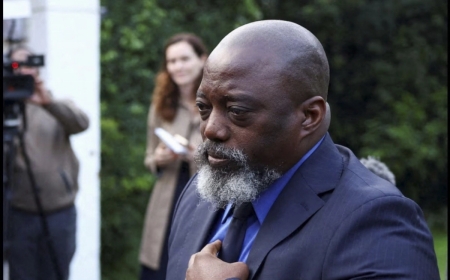
MDKC also alleged that the administration of President Tshisekedi had forced several opposition figures, including former president Joseph Kabila, and religious leaders into exile while imprisoning others without justification.
In its statement, the movement further accused the government of corruption, ethnic discrimination, nepotism, and mismanagement of Katanga’s natural resources.
The group called on officers and soldiers of the Congolese armed forces (FARDC), as well as residents of Katanga, to distance themselves from the current leadership and join what it described as a struggle against oppression.
It also claimed its uprising was inspired by armed resistance movements in several other provinces, including Ituri, Tshopo, and the conflict-affected eastern regions of North and South Kivu.