





















Scovia Umutesi Calls for Stronger Ethics and Support in Journalism
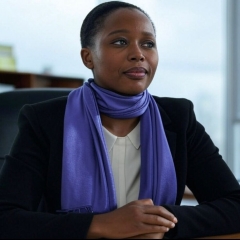
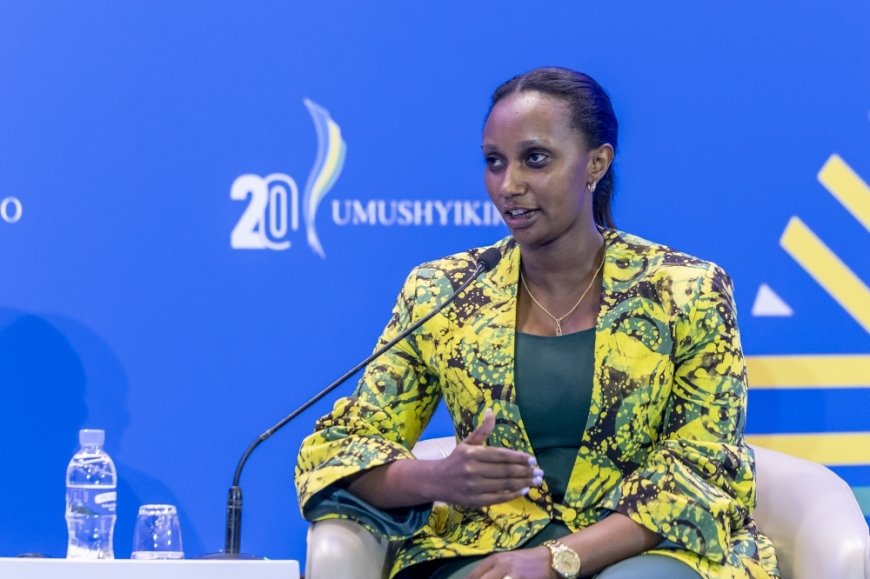
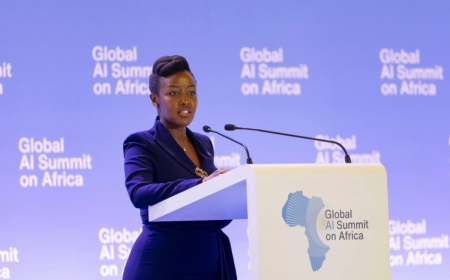
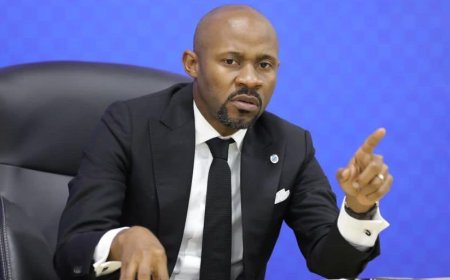
Journalist and founder of Mama Urwagasabo TV Scovia Umutesi has called for stronger professionalism in journalism and greater support for the sustainability of the media sector, warning against unethical practices increasingly seen on social platforms.
Speaking on the second day of the National Umushyikirano Council on Friday, February 6, Umutesi said the key difference between professional journalism and unprofessional reporting lies not in who produces the content, but in the quality and ethical value of the work.
“We should not judge people, but the work they produce,” she said, stressing that journalism requires dedication, continuous learning, and a deep sense of responsibility.
Umutesi, who is also the Chairperson of Rwanda Media Commission (RMC), the self-regulatory body, warned that some content creators on social media prioritise sensational material over ethical standards, citing examples such as publishing disturbing images, exposing victims’ identities, or exploiting vulnerable people for attention.
“That is not professional. Journalists must respect human dignity and report responsibly,” she said, adding that such behaviour risks eroding public trust in the media.
While acknowledging the growing influence of digital platforms, she said the challenge is not technology itself but how it is used. Ethical use of platforms such as YouTube and other platforms.
She also highlighted ethical issues in journalism are handled RMC, while criminal violations are handled by responsible institutions such as the Rwanda Investigation Bureau (RIB).
Umutesi drew attention to the fragile economic state of the media industry, saying many journalists struggle to sustain themselves despite the profession’s public value.
“The internet is expensive. Equipment is costly. Many journalists cannot survive in this profession,” she said, calling for stronger support to ensure the media remains viable and independent.
Despite the challenges, she urged journalists, particularly young professionals, to remain committed to responsible reporting and to use media as a bridge between citizens and leadership.
“Our role is to keep citizens and leaders connected, to inform responsibly, and to contribute to national development,” Umutesi said.
She outlined the core roles of journalism as informing, educating, and providing constructive public engagement.
Beyond reporting news, she said journalists help citizens understand critical issues such as health, nutrition, governance, and public programmes, while also serving as a bridge between citizens and leaders.