























China Accused of Supporting Both Sides in the DR Congo Conflict

China is facing renewed criticism over what analysts describe as a policy of "two-faced diplomacy," publicly promoting peace and regional stability while simultaneously expanding military ties and arms sales that critics say risk prolonging conflicts in countries such as the Democratic Republic of Congo (DRC) and Sudan.
According to Africa Defense Forum, Beijing has been accused of pursuing contradictory policies in several regions, including Ukraine, Myanmar, Japan, and parts of Africa. While China presents itself as a supporter of peace, economic cooperation, and regional security, observers argue that its growing military engagement often undermines those stated objectives.
In Sudan, China has repeatedly expressed support for peace initiatives and positioned itself as a potential mediator. However, analysts cited by Africa Defense Forum argue that increased supplies of Chinese-made weapons through state-linked defense companies have helped sustain fighting by equipping rival factions.
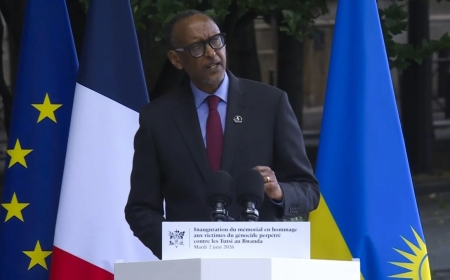
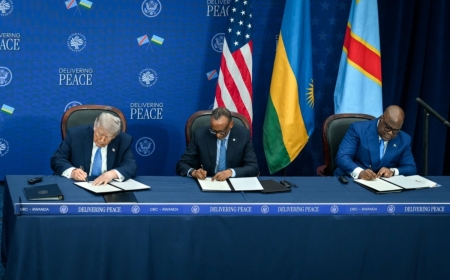
Similar concerns have been raised regarding China's role in the DRC. In an analysis published on May 11 by Samir Bhattacharya, a researcher at the Observer Research Foundation, Beijing is described as maintaining close relations with the Congolese government while simultaneously strengthening military and economic partnerships with neighboring Rwanda and Uganda.
The report notes that independent United Nations experts have alleged that Rwanda and Uganda have supported the M23 rebel movement—an accusation both governments have repeatedly denied.
Bhattacharya argues that China's expanding military footprint reflects a strategy focused on safeguarding its economic interests.
"Beijing's growing military engagement and defense industry activities in the region represent a narrow, opportunistic strategy that could deepen instability," Bhattacharya wrote. "This two-faced diplomacy, aimed at protecting investments and expanding influence, may ultimately undermine the very investments China seeks to secure."
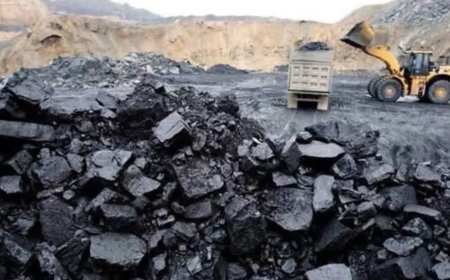
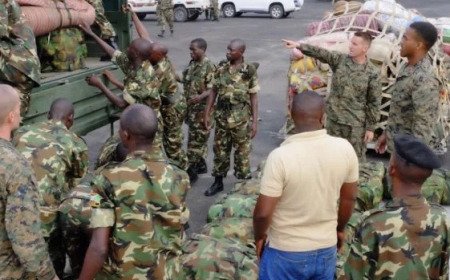
China's primary interests in the DRC are widely viewed as economic. Chinese-linked companies control significant mining operations involving cobalt, coltan, copper, and uranium—minerals that are critical to global technology and energy industries. Congolese security forces have reportedly been deployed on multiple occasions to protect mining sites associated with Chinese investments.
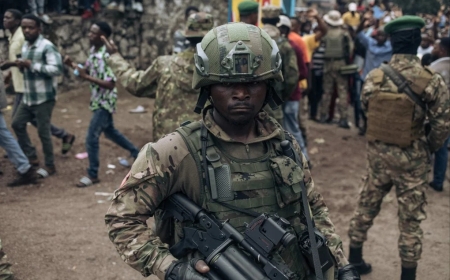
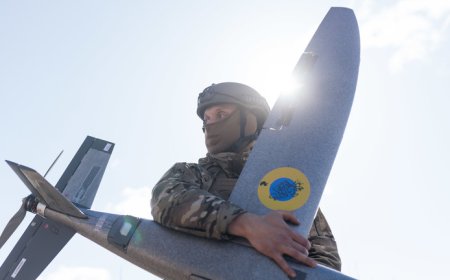
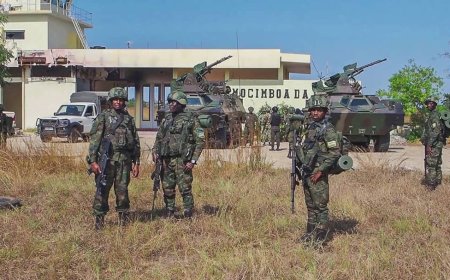
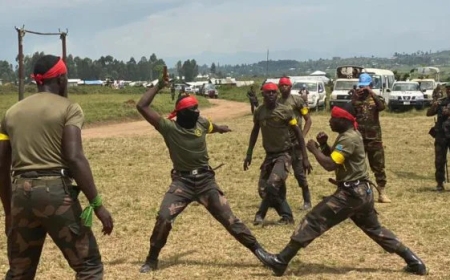
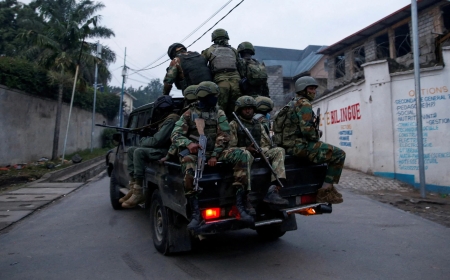
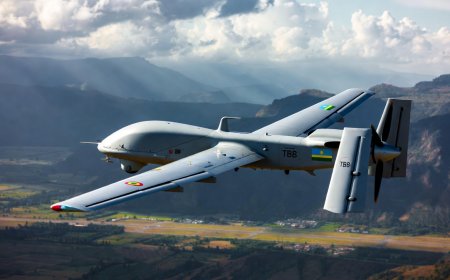
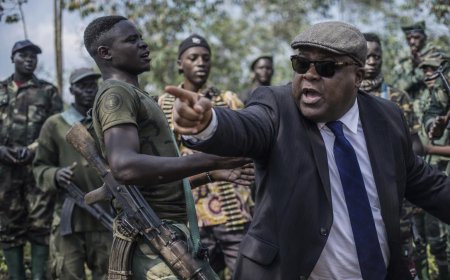
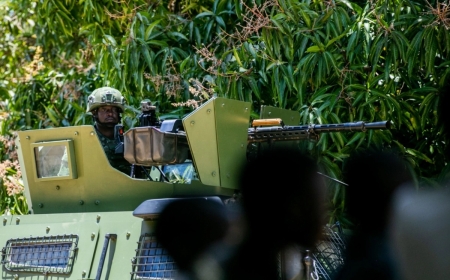
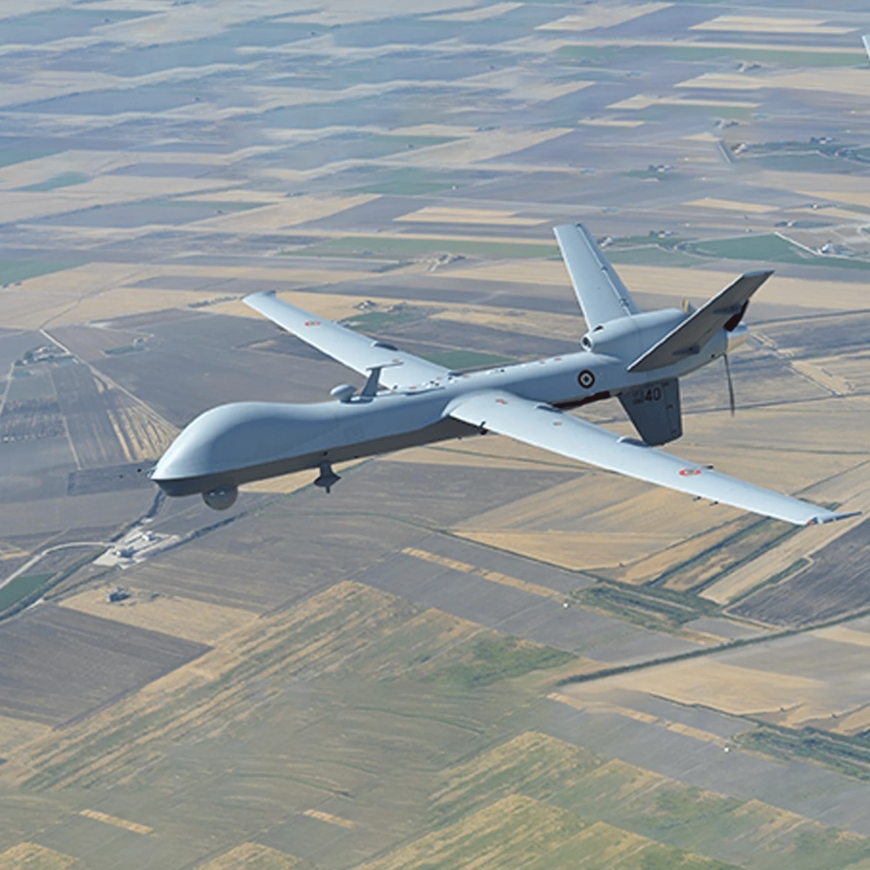
Meanwhile, ongoing fighting in eastern DRC between government forces and the M23 rebellion has seen the use of Chinese-manufactured military equipment by multiple parties, including drones and other weapons systems.
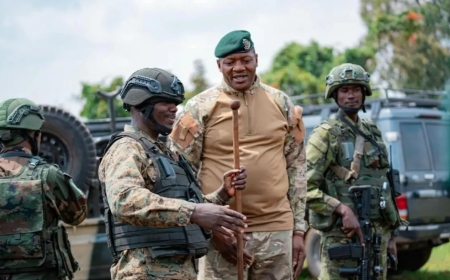
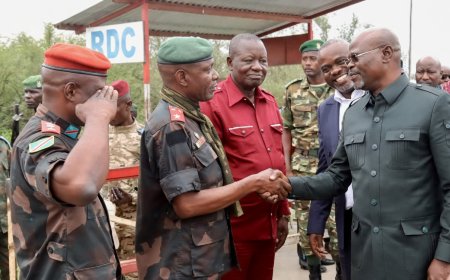
According to Bhattacharya, China has provided training programs for Congolese security personnel, military equipment, and encouraged the deployment of government forces to protect mining infrastructure linked to Chinese companies.
"This approach allows Beijing to safeguard its strategic interests while continuing to project an image of a country committed to a policy of non-interference," he wrote.
Analysts further argue that China's simultaneous security cooperation with both the DRC and neighboring states involved in regional tensions weakens its credibility as a neutral advocate for peace.
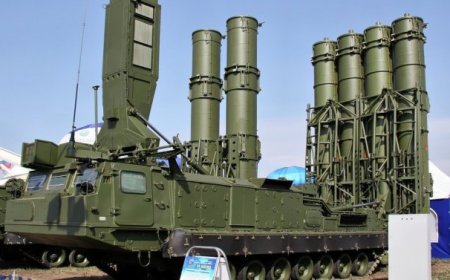
In recent years, Chinese defense manufacturer Norinco and other Chinese companies have reportedly supplied Rwanda with artillery systems and other military equipment. At the same time, the DRC purchased its first three CH-4 armed drones from China Aerospace Science and Technology Corporation in 2024.
Bhattacharya concludes that while China seeks stability in the DRC to protect its extensive mining investments, its parallel strategic partnerships across the region reduce the likelihood of Beijing taking a decisive role in resolving the conflict.