















AFCON 2027 Qualifiers: With Constantine, Amavubi can dream
Rwanda’s road to the 2027 Africa Cup of Nations will be anything but straightforward after this week's qualifying draw in Cairo placed Amavubi in Group K...

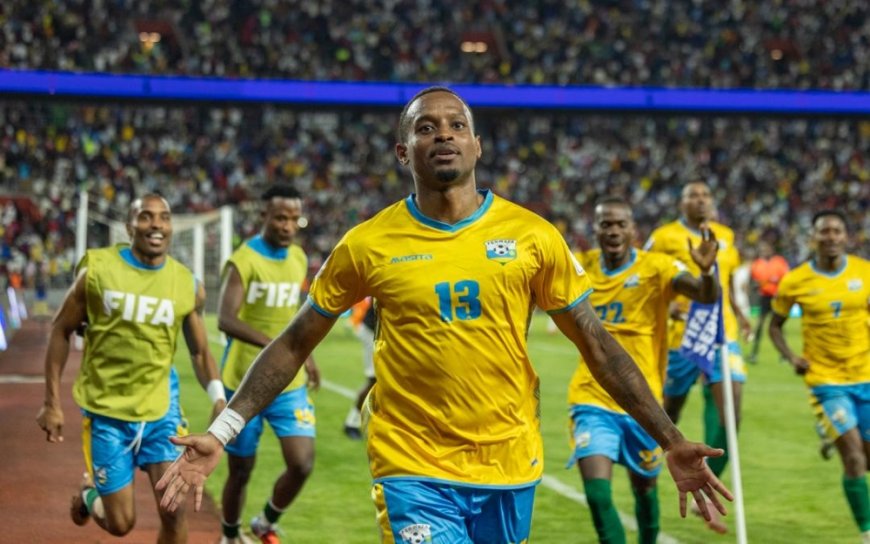
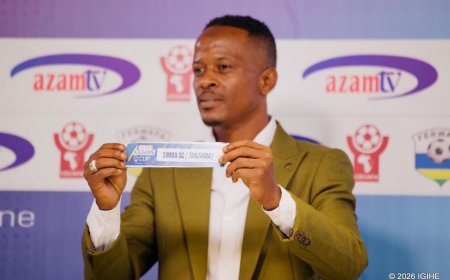
Rwanda’s road to the 2027 Africa Cup of Nations will be anything but straightforward after this week's qualifying draw in Cairo placed Amavubi in Group K alongside Mali, Cape Verde and Liberia.
Yet beyond the immediate concern about the strength of their opponents lies a growing belief that the current Amavubi team, under returning English coach Stephen Constantine, has a genuine chance of finally ending years of heartbreak. For many Rwandan football followers, the draw immediately revived memories of 2014, when Constantine guided Amavubi to what appeared to be a historic qualification for the 2015 AFCON tournament before disaster struck.
Rwanda was disqualified from the qualifiers after CAF ruled that striker Dady Birori used conflicting identities while representing Rwanda and DR Congo. CAF stripped Rwanda of its victory over the Republic of Congo in the second qualifying round. Birori had earlier scored a hat-trick as Rwanda eliminated Libya in the first round of qualifying.
He was registered in Rwanda under the name Birori Dady and in DR Congo, where he played club football for AS Vita, under the name Etekiama Agiti Tady, using a Congolese passport and a different age.
CAF disqualified Rwanda entirely from the competition and reinstated the Republic of Congo in their place. Rwanda appealed. The decision was upheld.
Birori had been playing for Rwanda since 2009 and represented the country in qualifiers for the 2010 and 2014 World Cups, both of which Rwanda failed to qualify for.
The painful disqualification denied Rwanda what would have been only its second AFCON appearance and left a lasting scar on Rwandan football.
A decade later, Constantine has returned with unfinished business and perhaps the best opportunity yet to complete what he started.
For the uninitiated, there is no doubt that Mali will begin the campaign as favourites. The West Africans have become regulars at AFCON and possess superior experience, squad depth and pedigree.
Rwanda knows exactly how difficult Mali is after losing both matches against them during the 2022 FIFA World Cup qualifiers. Cape Verde, meanwhile, are no longer considered outsiders on the continent. They are currently among the strongest-performing African sides in the 2026 FIFA World Cup qualifying campaign. Their rapid rise over the past decade has transformed them into one of Africa’s most organised and disciplined teams. They have also developed a reputation for performing strongly in qualification campaigns and major tournaments.
However, while Mali and Cape Verde may possess greater continental know-how, Rwanda still have reasons to feel optimistic. One major factor is Constantine himself. The Englishman appears to understand Rwandan football better than most foreign coaches who have worked with the national team. During his first spell between 2014 and 2015, he built a disciplined and competitive side capable of frustrating stronger opponents. Rwanda rose to its highest-ever FIFA ranking of 64 under his leadership.
His teams were tactically organised, physically committed and mentally resilient - qualities Rwanda will desperately need in this campaign.
And there are encouraging signs. Constantine has won his first two matches since returning to the dugout, defeating Granada and Estonia during the FIFA Series tournament held in Kigali in March. While those victories came in friendly competition, they helped restore confidence and belief within the squad and among supporters.
More importantly, Constantine appears determined to build a long-term project rather than rely solely on short-term results.
Rwanda’s upcoming 10-day training camp in Morocco, where Amavubi will face Tanzania and Comoros in friendly matches, reflects careful preparation ahead of the qualifiers. Those matches will offer valuable competitive minutes while helping Constantine assess combinations, improve chemistry and identify weaknesses before the “Pamoja 2027” qualifiers begin in September.
Rwanda can also draw confidence from previous meetings against Cape Verde and Liberia. Although Amavubi have never beaten Cape Verde, both AFCON qualifying matches between the two nations in 2020 ended in goalless draws. Rwanda demonstrated then that they could compete evenly against the island nation when properly organised defensively.
Liberia, on paper, should represent the most manageable challenge in the group. While the Lone Star remain capable of causing problems, Rwanda’s emphatic 4-0 victory over them during the 2008 AFCON qualifiers showed that home advantage can make a decisive difference.
Indeed, home form may ultimately determine Rwanda’s fate. If Amavubi are to qualify, they must turn Kigali into a fortress. Victories at home are essential, while avoiding defeat away from home could significantly improve Rwanda’s chances of finishing among the top teams.
Away performances will also matter, but Constantine’s tactical pragmatism could help Rwanda grind out crucial points on the road. His teams traditionally prioritise defensive discipline and structured football, an approach often effective in difficult African qualifiers.
Another encouraging factor is the location of the tournament itself. The 2027 AFCON will be hosted by Kenya, Uganda and Tanzania, meaning Rwanda would avoid the burden of long-distance travel should they qualify.
Of course, optimism alone will not be enough. Rwanda still lack the individual star power possessed by Mali or the consistency shown by Cape Verde in recent years.
Squad selection, player fitness and mentality will all prove crucial. In over two decades of following and covering African football, I have learned that qualification campaigns are not always won by the most talented teams.
Instead, they are often decided by organisation, discipline, momentum and belief. Under Constantine, and with a more professionally run FERWAFA, Rwanda may finally possess all four.
Two decades after their first, and thus far only, AFCON qualification, and a decade after seeing their dream of a second appearance collapse in painful circumstances, Amavubi now have another opportunity to write history. This time, hopefully, the right way.