



UN Experts Accuse Rwanda of Deploying Two Commando Battalions to DRC

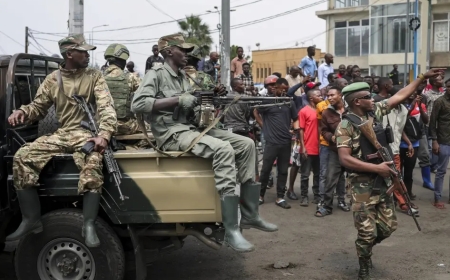
United Nations experts on the Democratic Republic of the Congo (DRC) have once again accused Rwanda of providing military support to the AFC/M23 rebel movement operating in the country’s eastern provinces.
In a report released on Wednesday, January 7, the experts say the findings are based on information gathered from a wide range of sources, including AFC/M23 officials—among them a senior leader—as well as regional intelligence services, diplomatic sources, and security agencies. The report has already been submitted to the UN Security Council.
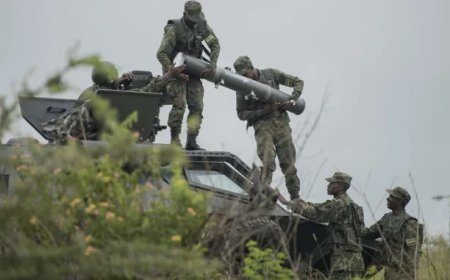
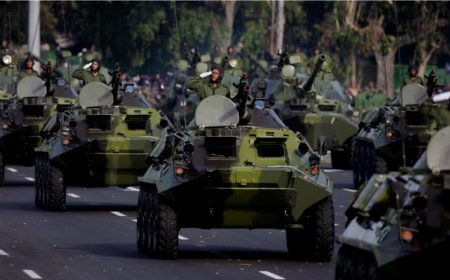
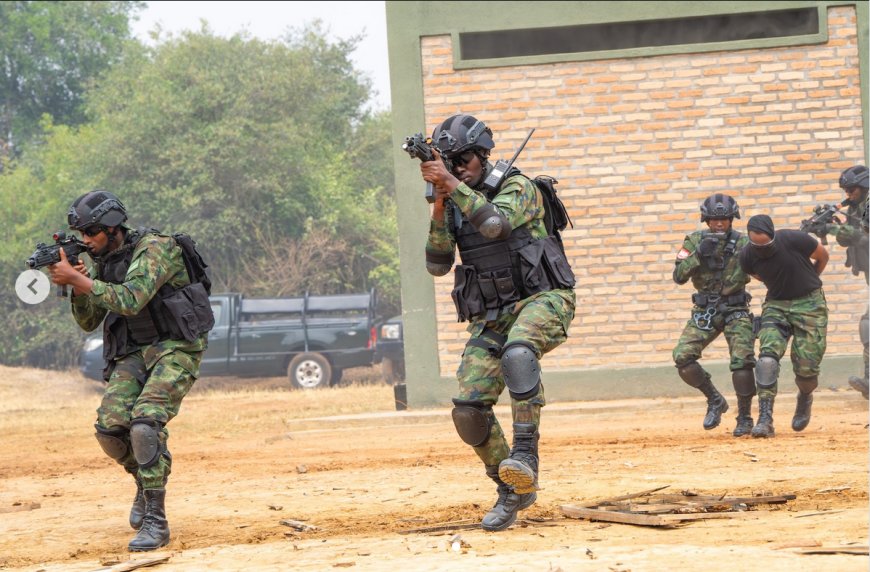
According to the experts, Rwanda currently has between 6,000 and 7,000 troops deployed in North and South Kivu provinces. The forces are said to be organized into at least two brigades, including two battalions from Rwanda’s Special Forces, as well as members of the reserve force known as Inkeragutabara.
The report states that one brigade operates within the AFC/M23’s first military zone, covering areas around Goma, Nyiragongo, Binza, Bwito and Rutshuru, as well as Kanyabayonga, Kirumba and Kipese in Lubero Territory. A second brigade is reportedly active in the group’s second military zone, which includes Masisi, Walikale, Bibwe and Kalembe, along with several areas in South Kivu such as Walungu, Mwenga and Minembwe.
The UN experts further note frequent troop reinforcements and redeployments across active conflict zones. They also accuse the Rwanda Defence Force (RDF) of establishing a logistics base on Idjwi Island in Lake Kivu, allegedly used as a transit and rotation hub for troops via the lake.
The report claims that the support attributed to the RDF has played a decisive role in AFC/M23’s military successes in several areas, particularly in the capture of Bibwe.
As of now, the Rwandan government has not issued an official response to these latest allegations. However, Kigali has repeatedly rejected similar accusations in the past, accusing the UN experts of bias in their reporting.
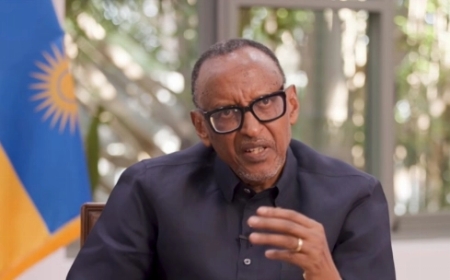
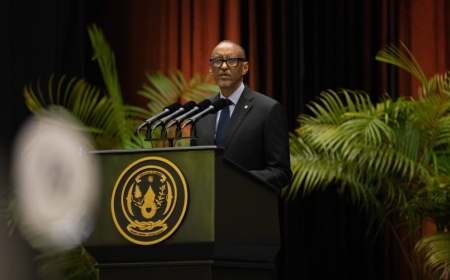
In June 2025, President Paul Kagame strongly criticized previous UN reports, arguing that they were based on predetermined narratives rather than objective investigations. He said the experts often return to the region seeking information that fits conclusions reached years earlier, while ignoring other actors involved in the conflict.
President Kagame also questioned why the reports, which he said devote more than 75 percent of their content to accusing Rwanda of backing AFC/M23, fail to adequately address cooperation between Congolese state institutions and the FDLR, a group linked to the perpetrators of the 1994 Genocide against the Tutsi.
He likened the international community to arsonists acting as judges and prosecutors over houses they themselves had burned. Kagame further argued that Rwanda is unfairly blamed for defending itself against threats posed by the FDLR and its allies.
The Rwandan leader added that the rebels Rwanda is accused of supporting entered the DRC from Uganda, questioning why Uganda is not similarly scrutinized. He insisted that Rwanda should not be held responsible for the origins of the conflict, which he said are well known and unrelated to Kigali.