





Kagame: Rwanda faces impossible choice to tolerate or defend against FDLR

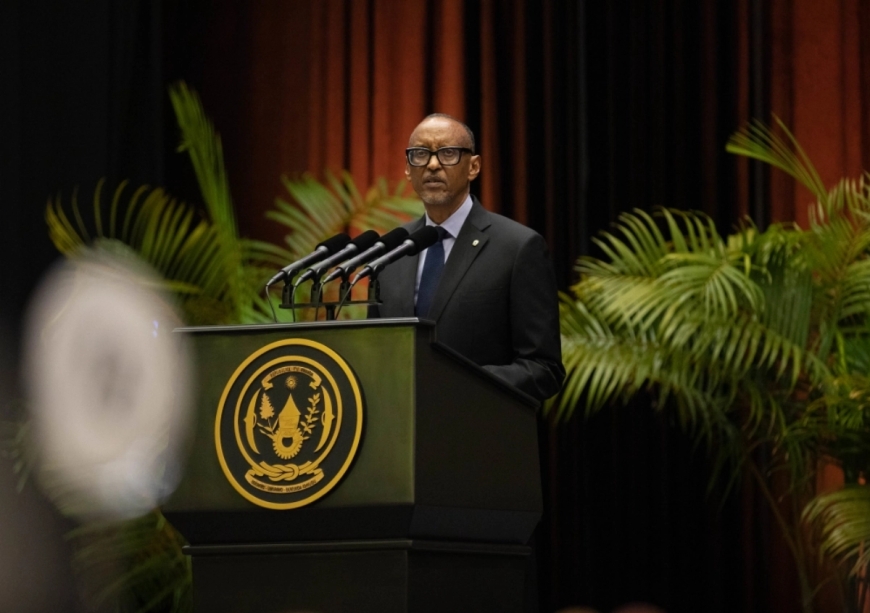
President Paul Kagame has reiterated Rwanda's position against DR Congo-backed FDLR militia, saying defensive measures will remain in place until the terrorist group has been dismantled.
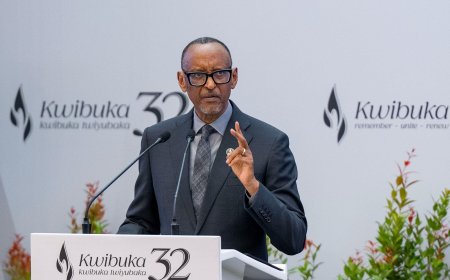
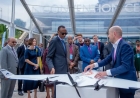
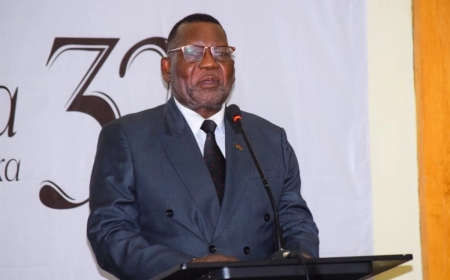
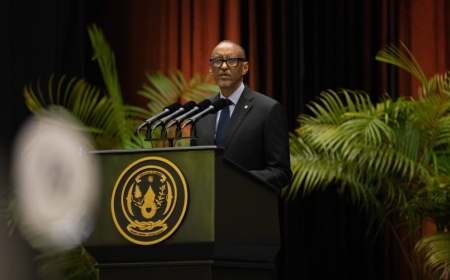
Speaking on Friday, March 6, as he hosted diplomats for dinner at Kigali Convention Centre, Kagame noted that ongoing changes global geopolitics will affect every nation.
"One thing that has not changed, however, is the right and duty of every nation, to ensure the safety of its borders and its people," he said.
"Rwanda is no exception. And yet, for reasons that continue to elude us, Rwanda is consistently asked to ignore threats to its security and compromise its national defence."
He said that while Rwanda faces criticism over the conflict in eastern DR Congo, its security concerns have not been addressed for the past three decades "due to neglect and complacency, notably by those with the power to make the biggest difference in resolving it."
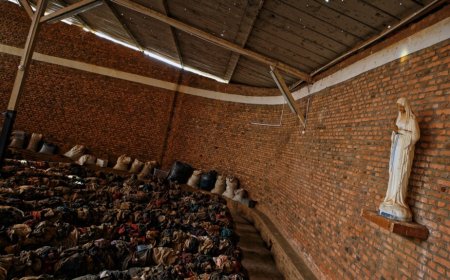
"Rwanda’s security concerns stem from the continued presence of the FDLR and its violent extremist ideology, which is the ideology of genocide. Unfortunately, that seems to have some backers in the region and beyond, under all kinds of guises," the President said.
"Rwanda, because of its history and its geography, requires defensive borders. Our defensive measures are aimed at this objective, and nothing else."
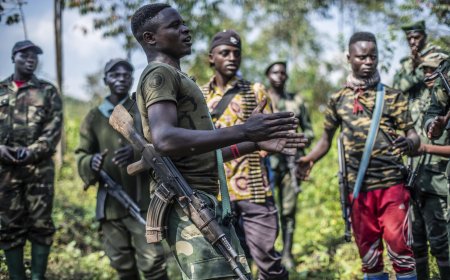
Despite Kinshasa's signing of the Washington Accords in December 2025, committing to the neutralisation of the FDLR, Kagame said the militia is still embedded with the Congolese army and continues to target Congolese Tutsi communities.
'Selective pressure'
In the wake of US sanctions on Rwanda Defence Force over alleged violation of the agreement, he said Rwanda faced one-sided pressure to implement the deal.
"By definition, a signed peace agreement should bind all parties equally and implementation should follow the text. However, this has not been our experience. What we see instead, is that one party is expected to carry almost the whole burden," he said.
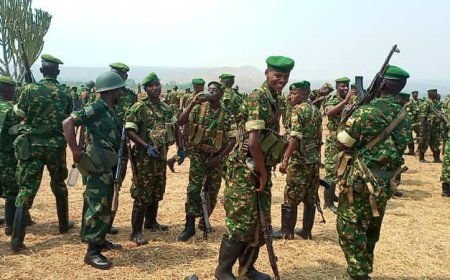
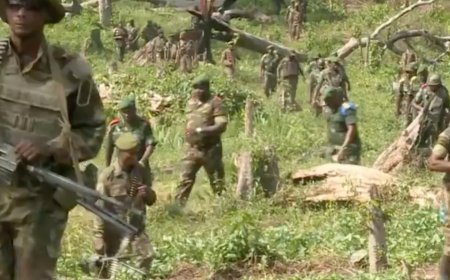
Yet, before the signing of the agreement, the Congolese army and thousands of its allied Burundian troops and militias consolidated offensive positions, imposed a blockade on civilian communities and launched relentless ground and aerial strikes in South Kivu.
Despite having raised concerns about the military build-up and attacks by the Kinshasa coalition, Kagame said, Rwanda was blamed for renewed hostilities, including the capture of Uvira city by the AFC/M23 rebels in December.
"This selective pressure has only emboldened the Congolese government and all its affiliated genocidal elements to resume military action. I'm not asking you to agree with every decision that Rwanda has made, but we do ask that you hold all parties to the same standard."
The President said Rwanda would not compromise on its security.
"As things stand, Rwanda faces an impossible choice: To either tolerate the continued presence of the FDLR and its growing network of militias and allow them to grow closer to our border. Or to defend ourselves and be condemned for it. The choice is, therefore, very clear. In our position, would any other country make a different choice?" he said.
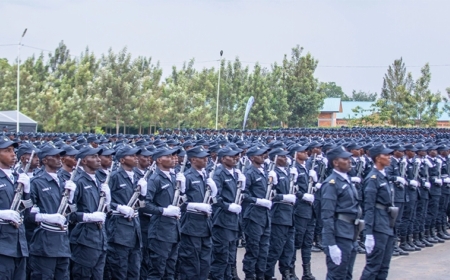
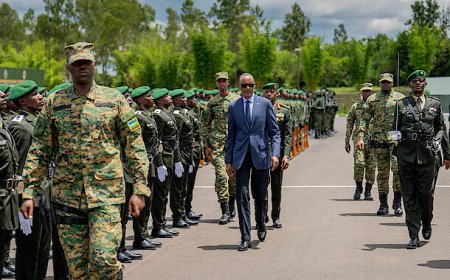
He defended the RDF posture in ensuring Rwanda's security.
"Any condemnation that comes is a badge of honor for our security forces," he said.
"That honor is not something that can easily be washed away by rain or shine or whatever. It is part of us. It will remain so in good and bad times."
'Rwanda wants peace'
"But make no mistake," Kagame said, "Rwanda wants peace, but we want a genuine and lasting peace on which we can build our future prosperity."
"We want to leave the bad politics of the past behind us forever. Rwanda is ready to lift its defensive measures in tandem with the DRC fulfilling its obligations under the Washington Accords."